When it comes to personal protection, ballistic jackets play a crucial role in safeguarding individuals from various threats. As a supplier of ballistic jackets, I often encounter questions regarding the difference between military - grade and civilian - grade ballistic jackets. In this blog, I will delve into the key distinctions to help you make an informed decision when considering purchasing a ballistic jacket.
Design and Purpose
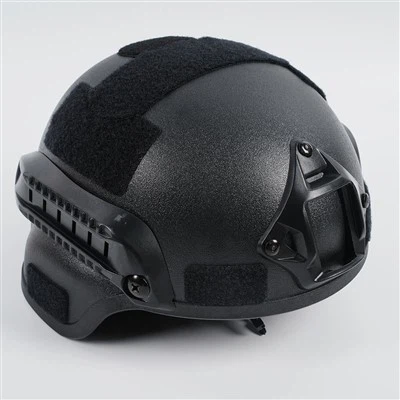
Military - grade ballistic jackets are designed with the specific needs of military personnel in mind. They are built to withstand the harsh and unpredictable environments of combat zones. These jackets are engineered to provide maximum protection against a wide range of threats, including high - velocity rifle rounds, shrapnel from explosions, and other ballistic hazards commonly encountered in military operations.
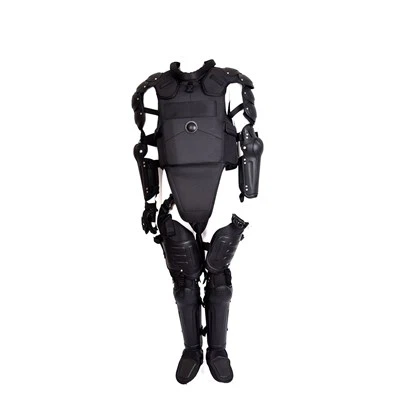
On the other hand, civilian - grade ballistic jackets are tailored to the needs of the general public, law enforcement officers in non - combat scenarios, and security personnel. Their primary purpose is to offer protection against common handgun threats, such as those encountered in criminal activities, active shooter situations, or during personal protection.
Protection Levels
The protection level is a significant differentiator between military - grade and civilian - grade ballistic jackets. Military - grade jackets typically offer higher levels of protection. They are often rated to stop rifle rounds, which have much higher velocities and energy compared to handgun rounds. For example, the National Institute of Justice (NIJ) standard in the United States has multiple levels of protection ratings. Military - grade jackets may meet or exceed the NIJ Level III or even Level IV standards, which can stop high - powered rifle ammunition like 7.62x51mm NATO rounds.
Civilian - grade ballistic jackets usually fall within the lower to mid - range of NIJ protection levels. Most civilian jackets are designed to meet NIJ Level IIA, Level II, or Level IIIA standards. Level IIA jackets can protect against common handgun rounds such as .38 Special and 9mm Luger, while Level IIIA jackets can stop more powerful handgun rounds like .44 Magnum.
If you are interested in exploring different types of ballistic jackets, we offer a wide range of products. Check out our Uhmwpe Bulletproof Vest, Tactical Vest, Bulletproof Uniform, Concealed Body Armor Vest, and Bulletproof Plate Carrier.
Mobility and Comfort
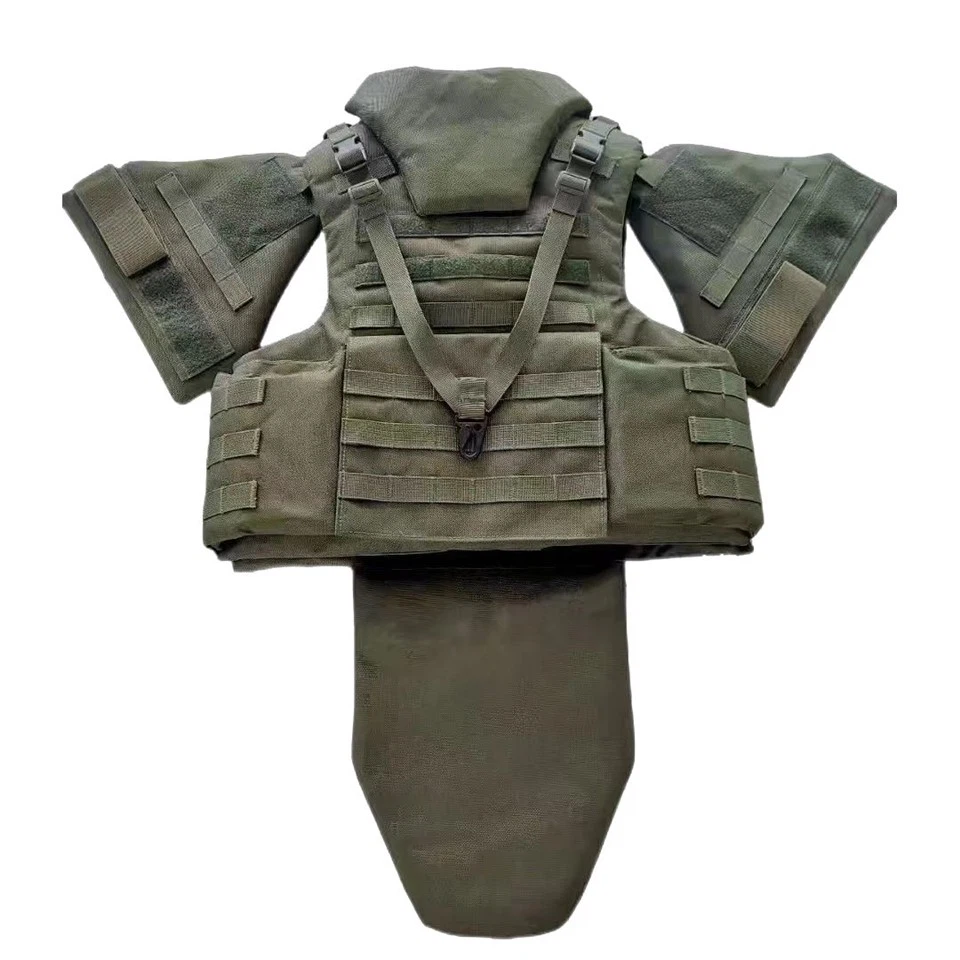
While military - grade ballistic jackets offer high - level protection, they often come at the cost of mobility and comfort. The materials and design required to stop high - velocity rifle rounds make these jackets heavier and bulkier. Military personnel are trained to operate despite the added weight and restricted movement, as the need for protection in combat situations is of utmost importance.
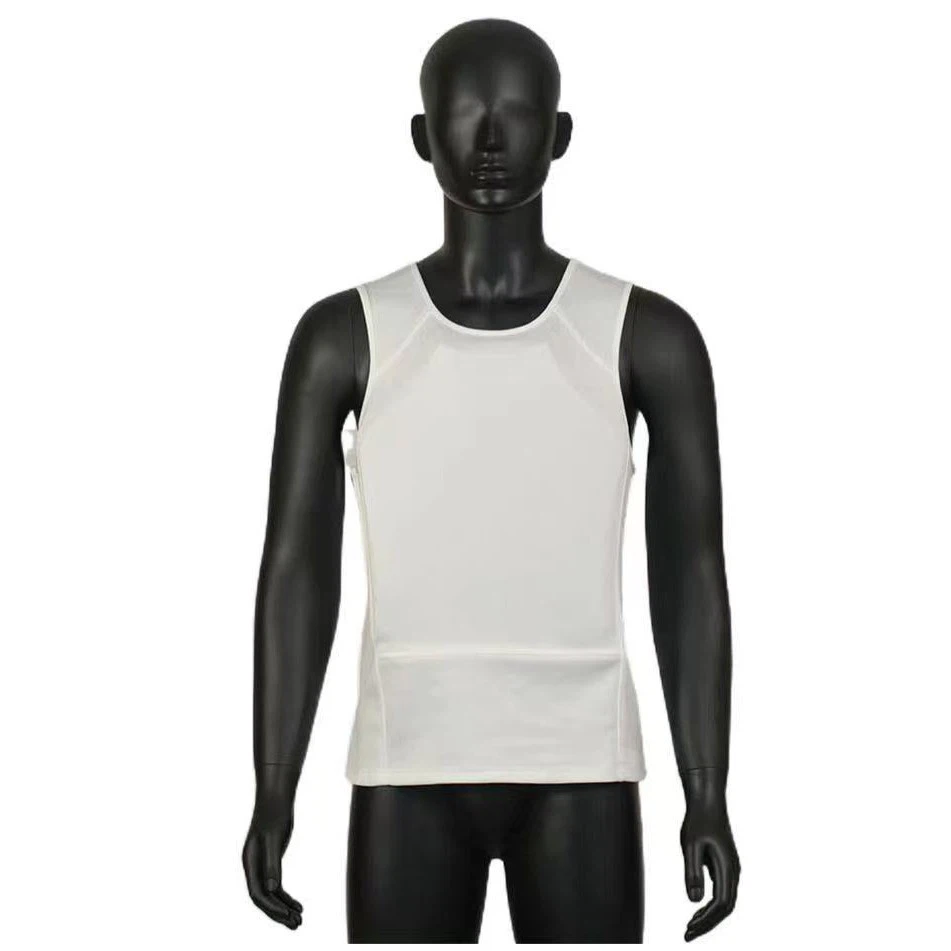
Civilian - grade ballistic jackets, however, are designed with a greater emphasis on mobility and comfort. Since civilians are not typically engaged in high - intensity combat operations, they need a jacket that allows them to move freely in their daily activities. These jackets are often lighter and more flexible, using advanced materials that provide adequate protection while minimizing the impact on movement.
Cost
Cost is another factor that sets military - grade and civilian - grade ballistic jackets apart. Military - grade jackets are generally more expensive due to the advanced materials and technology used in their construction. The research and development required to create jackets that can withstand high - velocity rifle rounds and the rigorous testing processes they must undergo contribute to their higher cost.
Civilian - grade jackets are more cost - effective, making them more accessible to the general public. They are designed to provide a reasonable level of protection at a price point that is more affordable for individuals and organizations with budget constraints.
Legal and Regulatory Considerations
There are also legal and regulatory differences between military - grade and civilian - grade ballistic jackets. In many countries, the sale and ownership of military - grade ballistic jackets are restricted. These jackets are often considered to be military equipment and are subject to strict regulations due to their high - level of firepower resistance.
Civilian - grade ballistic jackets are more widely available for purchase, but they are still subject to certain laws. For example, in some areas, it may be illegal to wear a ballistic jacket while committing a crime. It is essential for individuals to familiarize themselves with the local laws and regulations regarding the purchase, ownership, and use of ballistic jackets.
Maintenance and Durability
Military - grade ballistic jackets are built to last in the toughest conditions. They are designed to withstand exposure to extreme temperatures, moisture, and abrasive environments. The materials used are often highly durable, and the construction is robust to ensure that the jacket maintains its protective capabilities over an extended period. Military personnel rely on their jackets for long - term use, so durability is a critical factor.
Civilian - grade ballistic jackets also need to be durable, but they may not be subjected to the same extreme conditions as military jackets. However, proper maintenance is still important to ensure the effectiveness of the jacket. This may include cleaning the jacket according to the manufacturer's instructions, storing it in a suitable environment, and regularly inspecting it for any signs of damage.
Customization
Military - grade ballistic jackets often come with a high degree of customization options. Military units may require jackets to be customized to fit specific mission requirements, such as attaching additional equipment like ammunition pouches, communication devices, or medical kits. The jackets can also be adjusted to fit the individual body types and sizes of military personnel.
Civilian - grade ballistic jackets also offer some customization options, but they are generally more limited. For example, civilians may be able to choose the color, style, or type of closure (such as zip - up or Velcro) that suits their needs. However, the main focus of civilian customization is often on comfort and aesthetics rather than mission - specific requirements.
As a leading supplier of ballistic jackets, we understand the importance of providing high - quality products that meet the diverse needs of our customers. Whether you are in the military, law enforcement, or an individual looking for personal protection, we have the right ballistic jacket for you. If you are interested in discussing your requirements or have any questions about our products, we encourage you to reach out to us for a purchase consultation. We are committed to helping you find the best solution for your protection needs.
References
- National Institute of Justice (NIJ). Ballistic Resistance of Body Armor, NIJ Standard - 0101.06.
- Various military and civilian ballistic jacket manufacturers' product specifications and literature.