Hey there! As an expandable baton supplier, I often get asked about how the locking mechanism of these nifty tools works. So, I thought I'd break it down for you in this blog post.
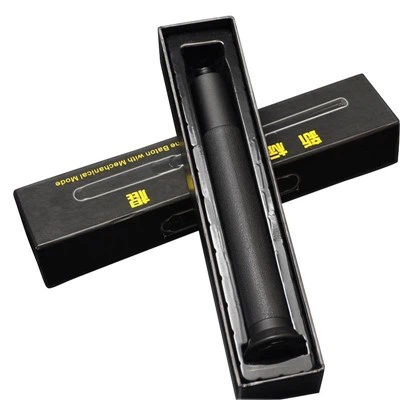
First off, let's talk about what expandable batons are. They're basically collapsible rods that can be easily carried around and extended when needed. They're used by law enforcement officers, security personnel, and even civilians for self - defense. We offer a variety of options, like the Metal Telescopic Baton, Aluminium Expandable Baton, Police Telescopic Baton, Riot Control Baton, and Aluminium Extendable Baton.
Now, onto the locking mechanism. There are a few different types, but the most common ones are friction locks and spring - loaded locks.
Friction Locks
Friction locks are pretty straightforward. When you extend the baton, the inner tubes fit snugly inside the outer tubes. The friction between the tubes holds them in place. It's like when you try to pull apart two pieces of wood that are pressed tightly together.
The way it works is that the inner tubes have a slightly larger diameter than the opening of the outer tube they slide into. When you give the baton a quick, sharp snap while extending it, the inner tube is forced into the outer tube with enough force to create a tight fit. This friction is strong enough to keep the baton extended during normal use.
One of the advantages of friction locks is their simplicity. There are no complex parts that can break or malfunction. They're also relatively easy to manufacture, which makes them cost - effective. However, they do have some drawbacks. The friction can wear down over time, especially with frequent use. This might cause the baton to collapse unexpectedly during use, which can be a big problem, especially in a high - stress situation.
Spring - Loaded Locks
Spring - loaded locks are a bit more advanced. They use a spring - loaded pin or ball mechanism to lock the baton in place. When you extend the baton, the pin or ball is pushed into a notch in the outer tube, creating a secure lock.
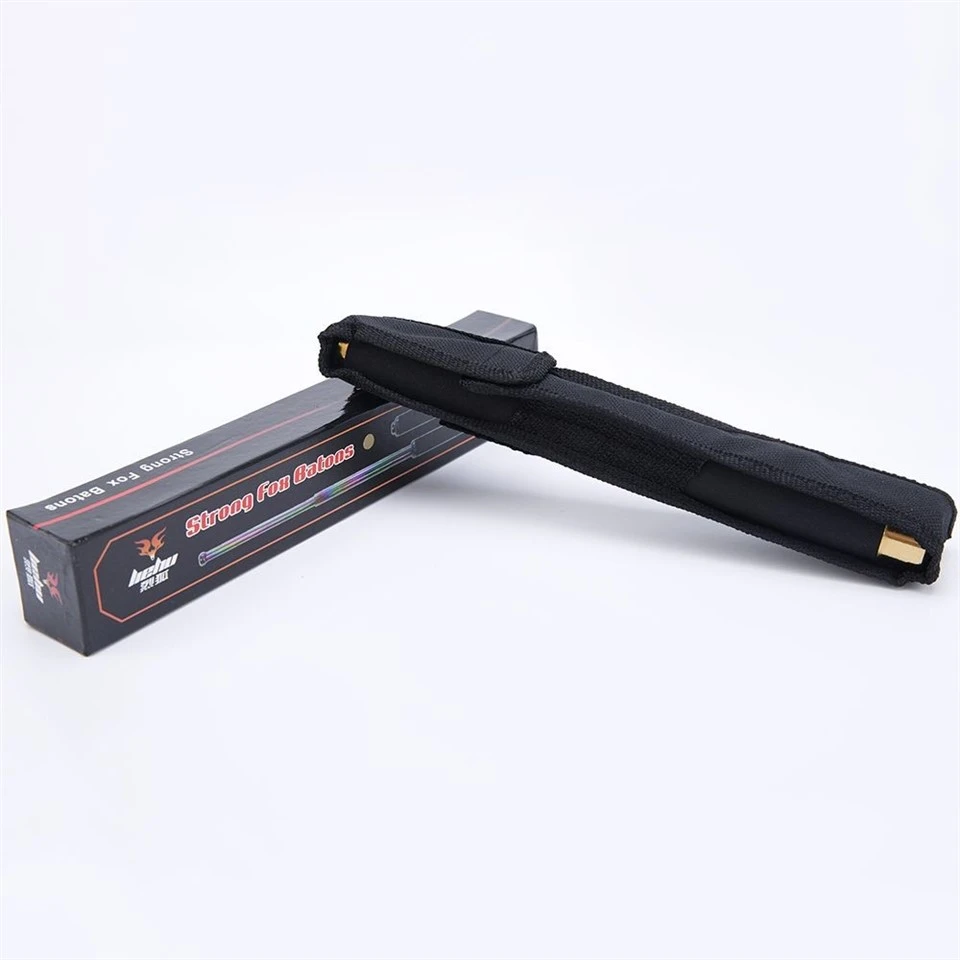

Let's take a closer look at how this works. Inside the inner tube, there's a small spring - loaded pin or ball. When the baton is collapsed, the pin or ball is held in a retracted position by the pressure of the inner tube against the outer tube. As you extend the baton, there's a specific point where the pin or ball aligns with a notch in the outer tube. The spring then pushes the pin or ball into the notch, and it clicks into place. This creates a very strong lock that's less likely to fail than a friction lock.
The main advantage of spring - loaded locks is their reliability. They're designed to hold up even under heavy use. You don't have to worry about the lock wearing down over time, as long as the spring and the pin/ball are in good condition. However, they are more complex than friction locks. There are more parts that can break, and if something goes wrong, it can be more difficult to fix. Also, they're usually a bit more expensive to manufacture.
How to Maintain the Locking Mechanism
No matter which type of locking mechanism your expandable baton has, proper maintenance is key to keeping it in good working order.
For friction locks, you should clean the tubes regularly. Dirt and debris can get between the tubes and reduce the friction, causing the baton to collapse easily. You can use a clean, dry cloth to wipe down the tubes, and if necessary, a little bit of lubricant can help keep the tubes sliding smoothly. Just don't use too much lubricant, as that can also reduce the friction.
If you have a spring - loaded lock, you need to make sure the spring is in good condition. Check for any signs of rust or damage. If you notice that the pin or ball isn't clicking into place properly, it might be time to replace the spring or have the lock serviced.
Safety Considerations
When using an expandable baton, safety should always be your top priority. Make sure you know how to properly extend and retract the baton. If you're using a friction - locked baton, give it a good tug after extending it to make sure it's securely locked. With a spring - loaded lock, listen for the click to confirm that it's locked.
Also, be aware of your surroundings when using the baton. It's a powerful tool, and you need to use it responsibly.
Making a Choice
So, which type of locking mechanism is better? Well, it depends on your needs. If you're on a budget and don't need the ultra - high reliability, a friction - locked baton might be a good choice. It's simple, easy to use, and gets the job done for most people.
But if you're a professional law enforcement officer or security guard who relies on the baton in high - stakes situations, a spring - loaded lock is probably the way to go. The extra reliability and strength are worth the investment.
If you're interested in purchasing an expandable baton, we've got you covered. We offer a wide range of high - quality batons with different locking mechanisms to suit your needs. Whether you're looking for a Metal Telescopic Baton, Aluminium Expandable Baton, Police Telescopic Baton, Riot Control Baton, or Aluminium Extendable Baton, we can help you find the perfect one. Contact us for more information and to start the procurement process. We're here to answer any questions you might have and make sure you get the best product for your requirements.
References
"Expandable Batons: A Comprehensive Guide" - Law Enforcement Equipment Journal
"Self - Defense Tools and Their Locking Mechanisms" - Security Magazine