Hey there! As a body armor vest supplier, I get asked a ton of questions about these life - saving pieces of gear. One of the most common questions is, "What is the weight of a typical body armor vest?" Well, buckle up, 'cause I'm gonna break it down for you.
First off, it's important to know that there's no one - size - fits - all answer when it comes to the weight of body armor vests. The weight can vary significantly depending on several factors, like the type of vest, the materials used, and the level of protection it offers.
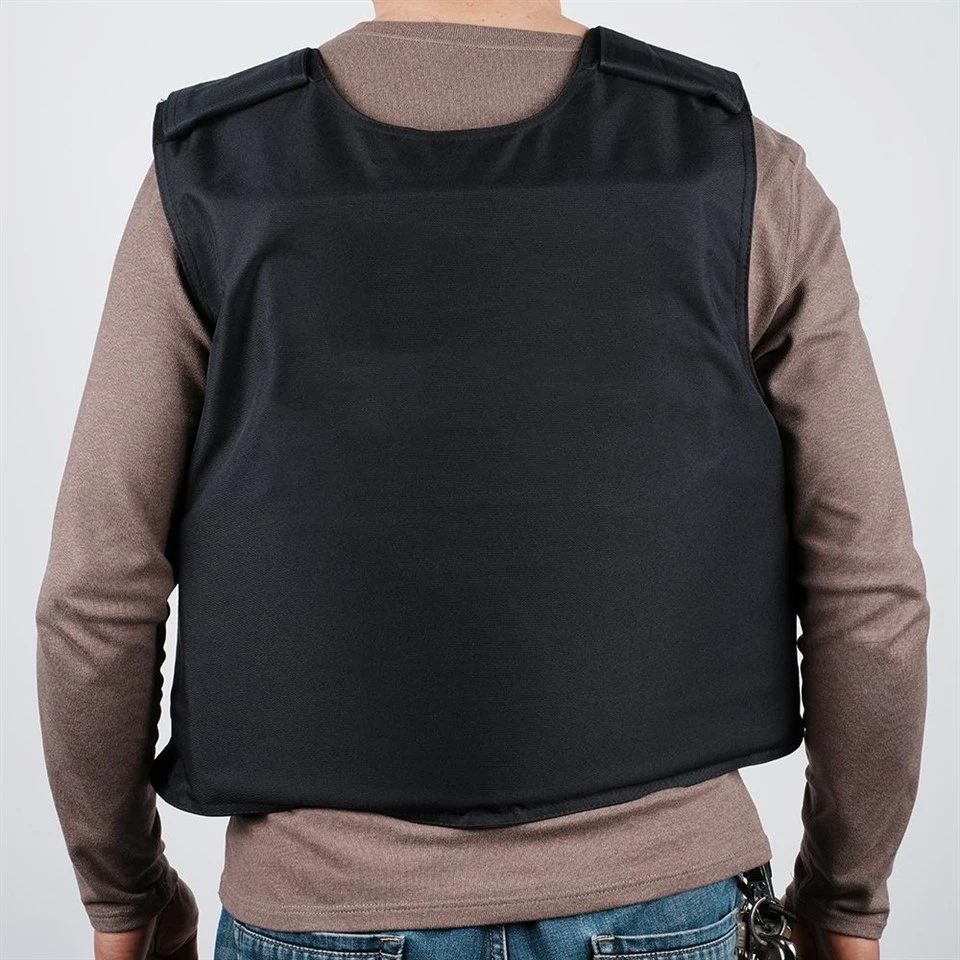
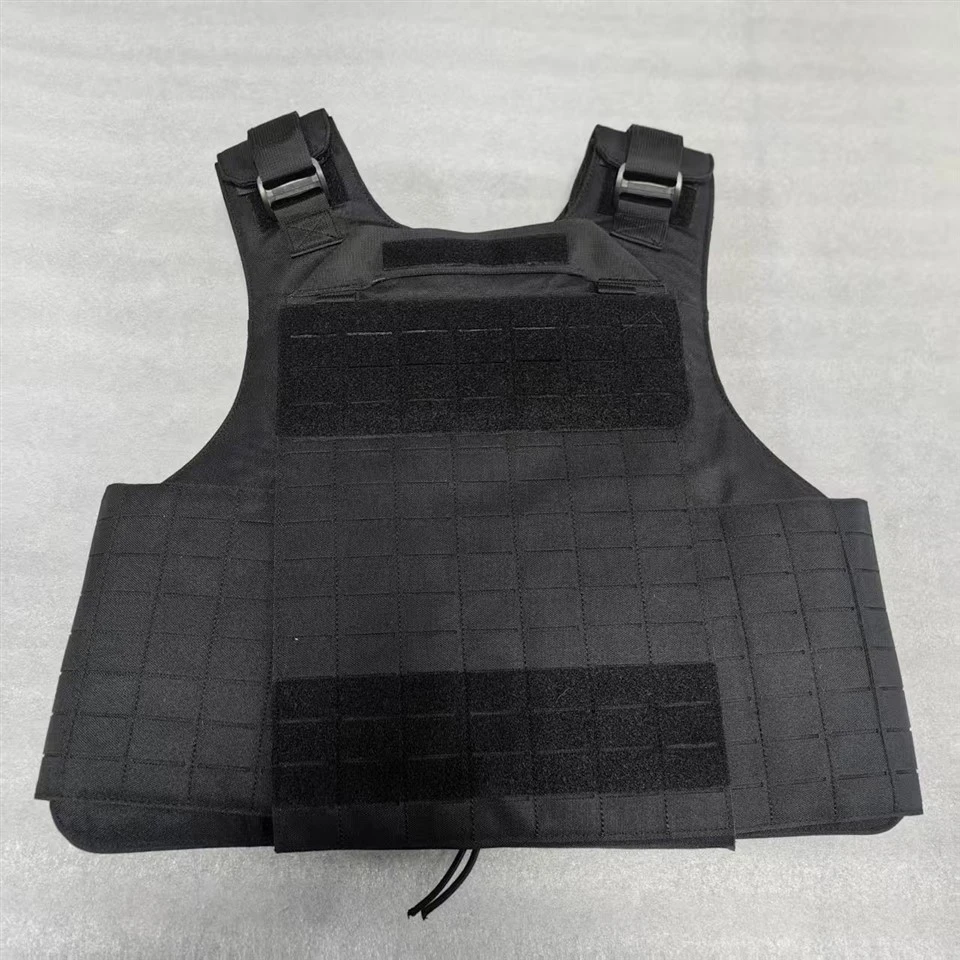
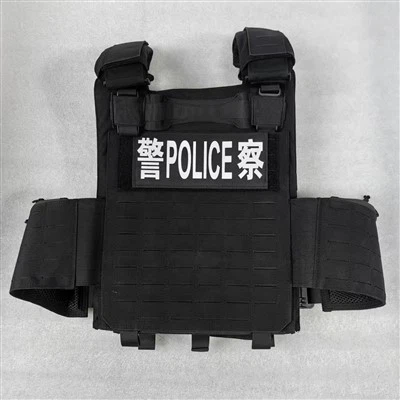
Let's start by talking about the different types of vests. We've got Bulletproof Plate Carrier. These are usually designed to hold ballistic plates, which are thick, rigid pieces that provide a higher level of protection against high - velocity rounds. Plate carriers tend to be on the heavier side. A basic, entry - level bulletproof plate carrier, without the plates, might weigh around 2 to 3 pounds. But once you start adding in the plates, the weight can skyrocket. Level III plates, which are designed to stop rifle rounds, can weigh anywhere from 6 to 8 pounds each. If you're wearing a front and back plate, that's an additional 12 to 16 pounds right there. So, all in all, a fully loaded bulletproof plate carrier can weigh anywhere from 14 to 19 pounds. That's a pretty hefty load to carry around, but when it's a matter of protecting your life, it's worth it.
Next up is the Aramid Ballistic Vest. Aramid is a synthetic fiber that's well - known for its high strength and heat resistance. Vests made from aramid materials are generally lighter than plate carriers. A typical aramid ballistic vest might weigh between 5 to 8 pounds, depending on the level of protection. Level IIA vests, which are designed to stop lower - velocity handgun rounds, will be on the lighter end of that spectrum. They're great for situations where you need mobility and don't necessarily need the heavy - duty protection of a plate carrier. On the other hand, Level IIIA vests, which can stop most handgun rounds, including some high - powered ones, will be a bit heavier, usually around 7 to 8 pounds.
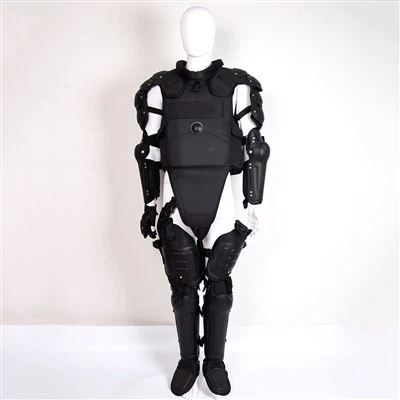
Then we have the Full Body Armor Vest. These are designed to protect more than just the chest and back. They typically cover the sides, shoulders, and sometimes even the groin area. As you can imagine, with all that extra coverage, they're going to be heavier. A full - body armor vest can weigh anywhere from 10 to 20 pounds. The weight depends on the materials used and the level of protection offered. Some full - body vests are made with a combination of aramid and hard plates, which adds to the weight but also increases the overall protection.
Another popular type is the Tactical Vest. Tactical vests are designed for law enforcement, military, and other tactical operations. They often have a lot of features like pockets for carrying equipment, adjustable straps, and sometimes even built - in hydration systems. The base weight of a tactical vest, without any ballistic protection, can be around 3 to 5 pounds. But once you start adding in ballistic panels or plates, the weight can increase. A tactical vest with light ballistic protection might weigh around 7 to 9 pounds, while a more heavily armored one could be 12 pounds or more.
Finally, there's the Quick Release Tactical Vest. This type of vest is designed for easy removal in case of an emergency. It has a quick - release mechanism that allows the wearer to take off the vest in a hurry. In terms of weight, it's similar to a regular tactical vest. The quick - release feature doesn't add much extra weight, so it'll still be in the 7 to 12 - pound range depending on the level of protection.
Now, you might be wondering why the weight matters. Well, there are a few reasons. First of all, if you're wearing body armor for an extended period of time, a heavy vest can cause fatigue. It can make it harder to move around, which is a big deal in high - stress situations. Also, if you have to run, climb, or do other physical activities while wearing the vest, the weight can really slow you down. On the other hand, a lighter vest might not offer as much protection. So, it's all about finding the right balance between weight and protection for your specific needs.
If you're in the market for a body armor vest, it's crucial to consider how much weight you can realistically carry. Think about the type of activities you'll be doing while wearing the vest. If you're a police officer who needs to be on the move all day, a lighter aramid ballistic vest might be a better choice. But if you're in a high - risk situation where you're likely to encounter rifle rounds, a bulletproof plate carrier might be necessary, even though it's heavier.
As a body armor vest supplier, I've seen firsthand how important it is to choose the right vest. That's why I'm always here to help you make an informed decision. Whether you're a law enforcement professional, a military personnel, or someone who just wants some extra protection, I've got a wide range of vests to suit your needs.
If you're interested in learning more about our body armor vests or want to discuss your specific requirements, don't hesitate to reach out. We can have a chat about the different options available and figure out the best vest for you. Whether you're looking for a lightweight aramid vest or a heavy - duty plate carrier, we've got you covered.
References
- Ballistic Protection Handbook
- Journal of Tactical Gear and Equipment Research