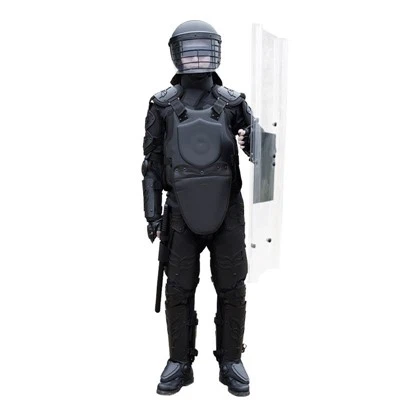
What is the difference between a civilian - grade and military - grade bulletproof plate carrier?
As a supplier of Bulletproof Plate Carriers, I've had the privilege of witnessing the diverse needs and applications of these crucial pieces of protective equipment. In this blog, I'll delve into the key differences between civilian - grade and military - grade bulletproof plate carriers, shedding light on their distinct features, uses, and considerations.
Design and Aesthetics
One of the most noticeable differences between civilian - grade and military - grade bulletproof plate carriers lies in their design and aesthetics. Military - grade carriers are typically designed with functionality and durability in mind, often featuring a more rugged and utilitarian appearance. They are built to withstand harsh environments and intense combat situations, with features such as reinforced stitching, heavy - duty materials, and a modular design that allows for the attachment of various accessories like pouches, holsters, and communication devices.
On the other hand, civilian - grade plate carriers are often more focused on comfort and concealment. They are designed to be worn in everyday situations, such as by security personnel, law enforcement officers in non - combat scenarios, or individuals who want personal protection. These carriers may have a more streamlined and less conspicuous design, making them easier to wear under clothing. For example, a Concealed Body Armor Vest is a popular choice among civilians who need protection without drawing too much attention.
Protection Level
The protection level is another significant difference between civilian and military - grade plate carriers. Military - grade carriers are designed to provide a high level of protection against a wide range of threats, including high - velocity rifle rounds. They are often tested and certified to meet strict military standards, such as the National Institute of Justice (NIJ) standards in the United States. Military personnel face a variety of dangerous situations on the battlefield, and their plate carriers need to be able to withstand powerful weapons.
Civilian - grade plate carriers, while still providing a certain level of protection, are usually designed to protect against lower - velocity threats, such as handgun rounds. They may be certified to meet lower - level NIJ standards or other civilian - focused certifications. This is because the threats that civilians are likely to encounter are generally less severe than those faced by military personnel. For instance, a civilian working in a security role may only need protection against handguns, and a civilian - grade Bulletproof Plate Carrier can provide adequate protection for such scenarios.
Mobility and Comfort
Mobility and comfort are crucial factors for both civilian and military users of bulletproof plate carriers. Military - grade carriers are designed to allow for a high degree of mobility, as soldiers need to be able to move quickly and freely during combat operations. They often feature adjustable straps and a design that distributes the weight of the plates evenly across the body, reducing fatigue and allowing for better movement. However, due to the heavy - duty materials and additional features, military - grade carriers can be relatively bulky and may restrict movement to some extent.
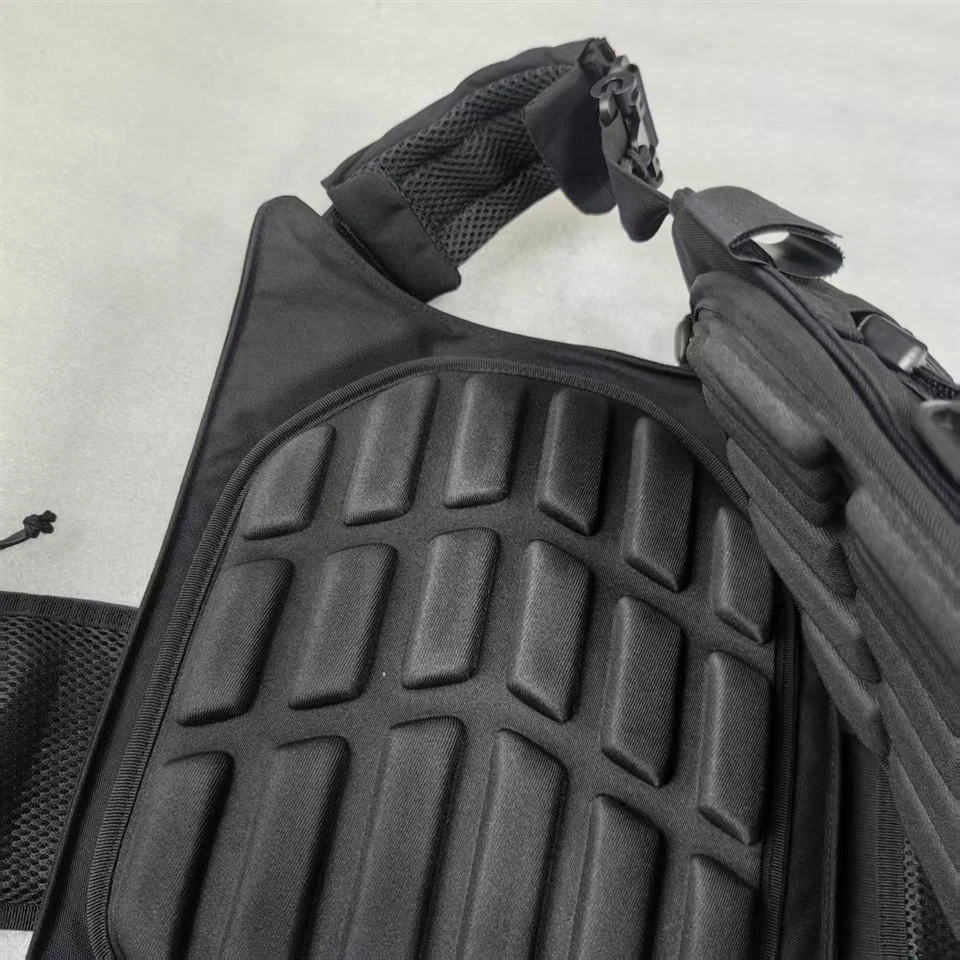
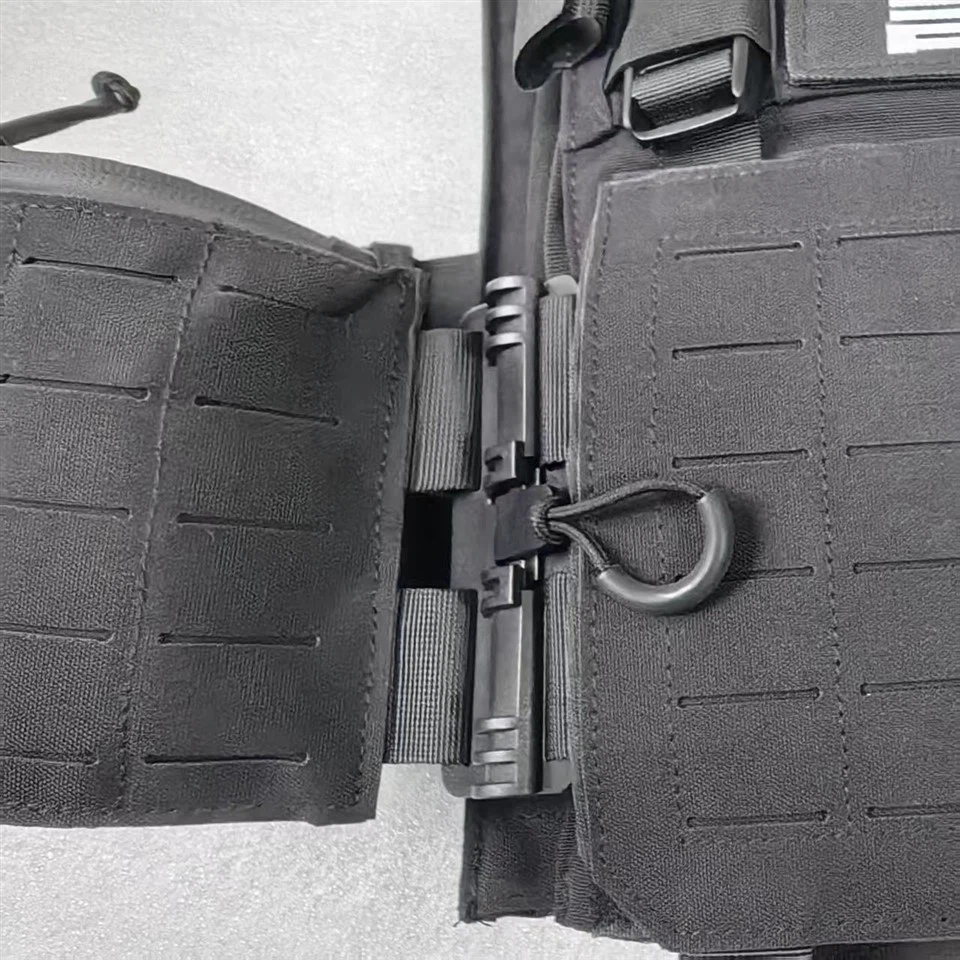
Civilian - grade carriers, on the other hand, prioritize comfort and ease of movement for extended periods. They are designed to be worn for long hours without causing excessive discomfort. For example, they may use lightweight materials and have a more ergonomic design. A civilian who needs to wear a plate carrier for a full workday, such as a security guard, will benefit from a carrier that is comfortable and allows for easy movement. Some civilian - grade carriers also offer features like breathable fabrics to enhance comfort.
Cost
Cost is an important consideration when comparing civilian - grade and military - grade bulletproof plate carriers. Military - grade carriers are generally more expensive due to their high - end materials, advanced manufacturing processes, and strict quality control. The research and development costs associated with meeting military standards also contribute to the higher price. Additionally, military - grade carriers often come with a range of accessories and features that add to the overall cost.
Civilian - grade carriers are typically more affordable, making them accessible to a wider range of users. They are designed to provide a good balance between protection and cost, catering to the needs of individuals and organizations with budget constraints. However, it's important to note that the price of a civilian - grade carrier can still vary depending on the level of protection, materials used, and additional features.
Availability and Legal Considerations
The availability and legal considerations for civilian - grade and military - grade bulletproof plate carriers also differ. Military - grade carriers are usually only available to military personnel, law enforcement agencies, and authorized government contractors. They are subject to strict regulations and controls to ensure that they are not misused.
Civilian - grade carriers, on the other hand, are more widely available for purchase by the general public in many countries. However, there are still legal restrictions in some areas, such as limitations on the level of protection that can be purchased or requirements for background checks. It's important for civilians to familiarize themselves with the local laws and regulations before purchasing a bulletproof plate carrier.
Customization and Accessories
Military - grade plate carriers offer a high degree of customization and the ability to attach a wide range of accessories. This is because military operations often require specific equipment and tools, and soldiers need to be able to adapt their carriers to different situations. Accessories can include ammunition pouches, first - aid kits, communication devices, and night - vision equipment. The modular design of military - grade carriers allows for easy attachment and detachment of these accessories.
Civilian - grade carriers also offer some customization options, but they are generally more limited. For example, a civilian may be able to add a few basic pouches or a holster to their carrier. However, the focus is usually on providing a simple and practical solution for personal protection. Some civilian - grade carriers, like Camouflage Bulletproof Vest, may offer some aesthetic customization in addition to functional features.
Conclusion
In conclusion, there are significant differences between civilian - grade and military - grade bulletproof plate carriers in terms of design, protection level, mobility, cost, availability, and customization. Understanding these differences is crucial for both military and civilian users to make informed decisions about the type of plate carrier that best suits their needs.
As a supplier of Bulletproof Plate Carriers, we are committed to providing high - quality products that meet the diverse needs of our customers. Whether you are a military professional, a law enforcement officer, or a civilian looking for personal protection, we have a range of options available. If you are interested in learning more about our products or discussing your specific requirements, we encourage you to contact us for a detailed discussion. Our team of experts is ready to assist you in finding the perfect bulletproof plate carrier for your needs.
References
- National Institute of Justice (NIJ) standards documentation
- Military equipment manuals and specifications
- Industry research on bulletproof plate carrier technology and market trends