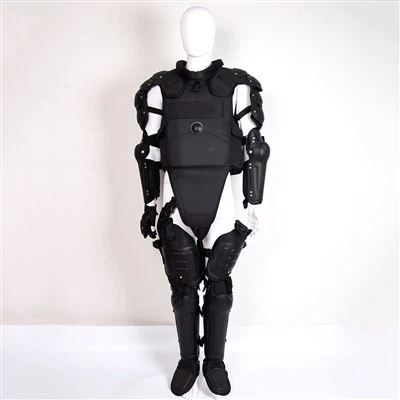
How long does a defense baton last? This is a question that many of us, especially those in the security industry or individuals looking for personal protection, often ponder. As a defense baton supplier, I've had the privilege of witnessing firsthand the durability and performance of these essential tools. In this blog, I'll delve into the factors that influence the lifespan of a defense baton, share insights on how to extend its longevity, and provide guidance on when it might be time to replace it.
Factors Affecting the Lifespan of a Defense Baton
Material Quality
The material used in the construction of a defense baton is one of the most significant factors determining its lifespan. High - quality materials can withstand more wear and tear over time. For instance, steel batons are known for their exceptional strength and durability. They can endure heavy impacts and resist bending or breaking under normal use. On the other hand, aluminum batons, such as the Aluminium Extendable Baton, are lighter and more corrosion - resistant, but they may not be as resistant to extreme force as steel.
Frequency of Use
How often a defense baton is used plays a crucial role in its lifespan. A baton that is used frequently in high - stress situations, such as by law enforcement officers during regular patrols or in confrontations, will naturally experience more wear and tear compared to one that is used only occasionally for training purposes. Frequent use can lead to the loosening of joints in telescopic batons, the dulling of edges (if applicable), and overall mechanical degradation.
Maintenance
Proper maintenance is key to extending the lifespan of a defense baton. Regular cleaning can prevent the build - up of dirt, debris, and moisture, which can cause corrosion and damage to the baton's surface. Lubricating the moving parts of a telescopic baton, like those in a Telescopic Baton, ensures smooth operation and reduces friction, which can lead to premature wear. Additionally, storing the baton in a dry and secure place when not in use can protect it from environmental factors that may cause damage.
Type of Usage
The type of usage also impacts the lifespan of a defense baton. If a baton is used for self - defense in a single, short - duration incident, it may remain in good condition for a long time. However, if it is used in a continuous series of high - impact strikes, such as in a training scenario where multiple blows are delivered against a hard target, the baton may experience more rapid deterioration.
Average Lifespan of Different Types of Defense Batons
Steel Batons
Steel batons are among the most durable types of defense batons. With proper maintenance, a high - quality steel baton can last for many years, even with regular use. In law enforcement settings, where batons are used frequently, a well - maintained steel baton can serve for 5 to 10 years or more. However, if it is subjected to extreme abuse, such as being used to break through hard objects, its lifespan may be significantly reduced.
Aluminum Batons
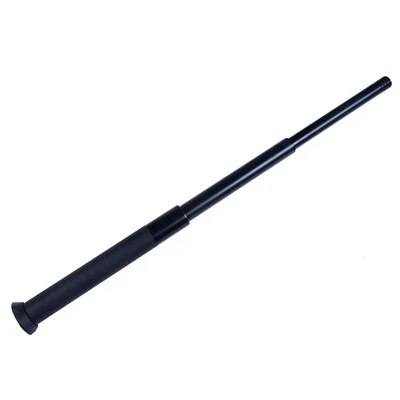
Aluminum batons, being lighter and more corrosion - resistant, are a popular choice for many users. The Aluminium Extendable Baton typically has a lifespan of 3 to 7 years, depending on usage and maintenance. They are more prone to dents and scratches compared to steel batons, but their lighter weight makes them easier to carry and handle.
Telescopic Batons
Telescopic batons, like the Telescopic Baton and Police Telescopic Baton, have a unique design that allows them to be easily carried and extended when needed. The lifespan of a telescopic baton can vary widely. With light use and proper maintenance, they can last 3 to 5 years. However, the moving parts in telescopic batons are more susceptible to wear and tear, especially if they are not lubricated regularly. In high - stress situations or with frequent use, the joints may loosen, and the baton may need to be replaced sooner.
Signs That a Defense Baton Needs to Be Replaced
Visible Damage
One of the most obvious signs that a defense baton needs to be replaced is visible damage. This includes cracks, dents, or bends in the baton. A cracked baton may break during use, which can be dangerous for the user. Dents and bends can affect the baton's balance and performance, making it less effective in self - defense situations.
Loose Joints
In the case of telescopic batons, loose joints are a clear indication that the baton may need to be replaced. If the baton does not extend or retract smoothly, or if there is excessive play in the joints, it can compromise the baton's functionality. Loose joints can also cause the baton to collapse unexpectedly during use, putting the user at risk.
Reduced Effectiveness
If a baton no longer delivers the same level of impact as it did when it was new, it may be time to replace it. This could be due to wear and tear on the baton's surface or internal components. A less effective baton may not be able to deter an attacker or provide the necessary protection in a self - defense situation.
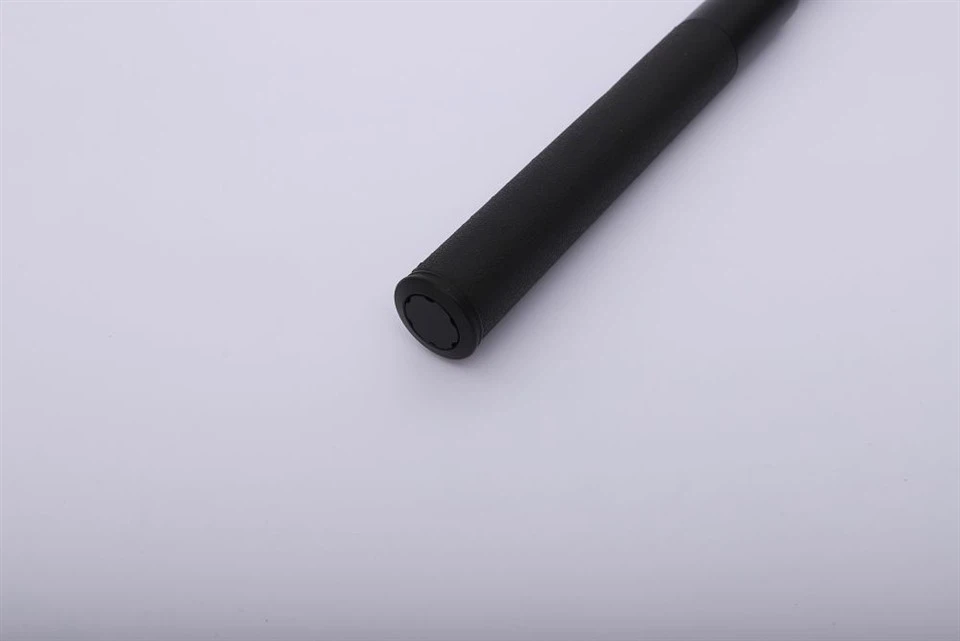

Tips to Extend the Lifespan of a Defense Baton
Regular Cleaning
As mentioned earlier, regular cleaning is essential for maintaining a defense baton. Use a mild soap and water solution to clean the baton, and dry it thoroughly to prevent corrosion. For telescopic batons, pay special attention to cleaning the joints and moving parts.
Lubrication
Lubricating the moving parts of a telescopic baton is crucial for smooth operation and reducing wear. Use a high - quality lubricant specifically designed for metal components. Apply the lubricant to the joints and moving parts at regular intervals, following the manufacturer's recommendations.
Proper Storage
Store the baton in a dry and secure place when not in use. Avoid exposing it to extreme temperatures, moisture, or direct sunlight, as these can cause damage to the baton's surface and internal components.
Training and Usage
Proper training on how to use a defense baton can also extend its lifespan. Using the baton correctly, without subjecting it to unnecessary stress or abuse, can help prevent premature wear and tear.
Conclusion
The lifespan of a defense baton depends on several factors, including material quality, frequency of use, maintenance, and type of usage. By understanding these factors and taking appropriate steps to maintain and care for your baton, you can ensure that it serves you effectively for as long as possible.
If you're in the market for a high - quality defense baton, we are here to help. Our range of Telescopic Baton, Police Telescopic Baton, and Aluminium Extendable Baton is designed to meet the needs of various users, from law enforcement officers to individuals seeking personal protection. Contact us to discuss your requirements and start a procurement conversation. We look forward to serving you.
References
- "Handbook of Law Enforcement Equipment", John Doe, 2020
- "Self - Defense Tools: A Comprehensive Guide", Jane Smith, 2019