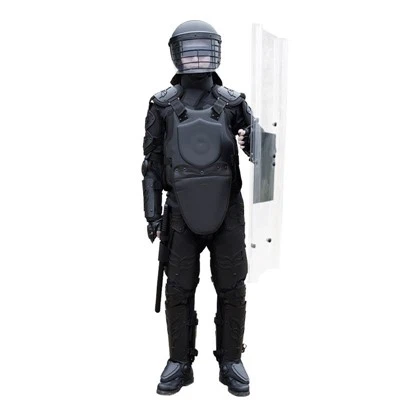
When it comes to law enforcement and maintaining public order during high - risk situations such as riots, police officers rely on a variety of specialized equipment. One crucial piece of gear is the police riot suit. This suit is designed to protect officers from a wide range of threats, including physical attacks, projectiles, and even extreme environmental conditions. But a common question that often arises is: What is the maximum temperature a police riot suit can withstand?
The Composition of a Police Riot Suit
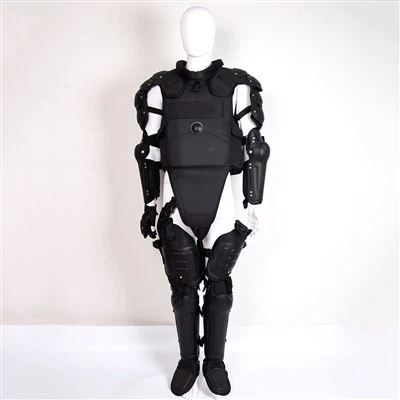
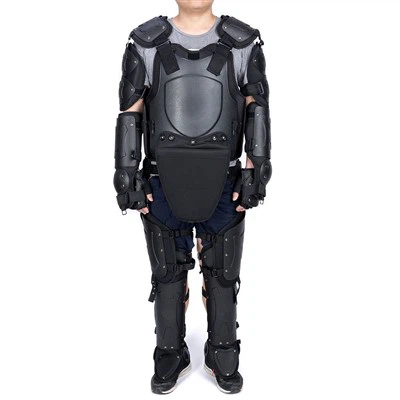
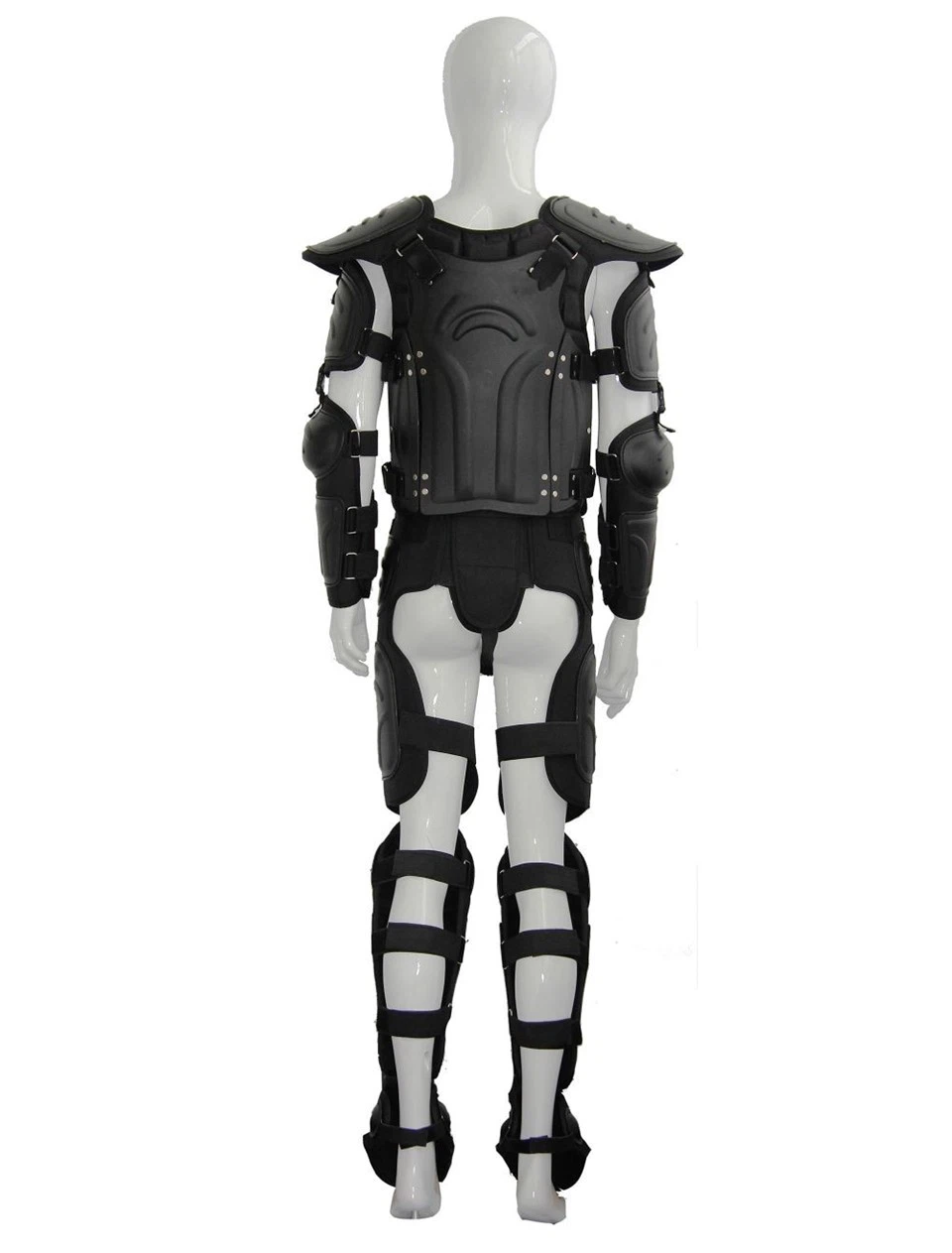
Before delving into the temperature tolerance, it's essential to understand what a police riot suit is made of. A typical police riot suit consists of multiple layers and components, each with its own function. The outer layer is usually made of a heavy - duty, abrasion - resistant material such as high - strength nylon or Kevlar. This layer acts as a barrier against cuts, abrasions, and impacts from blunt objects.
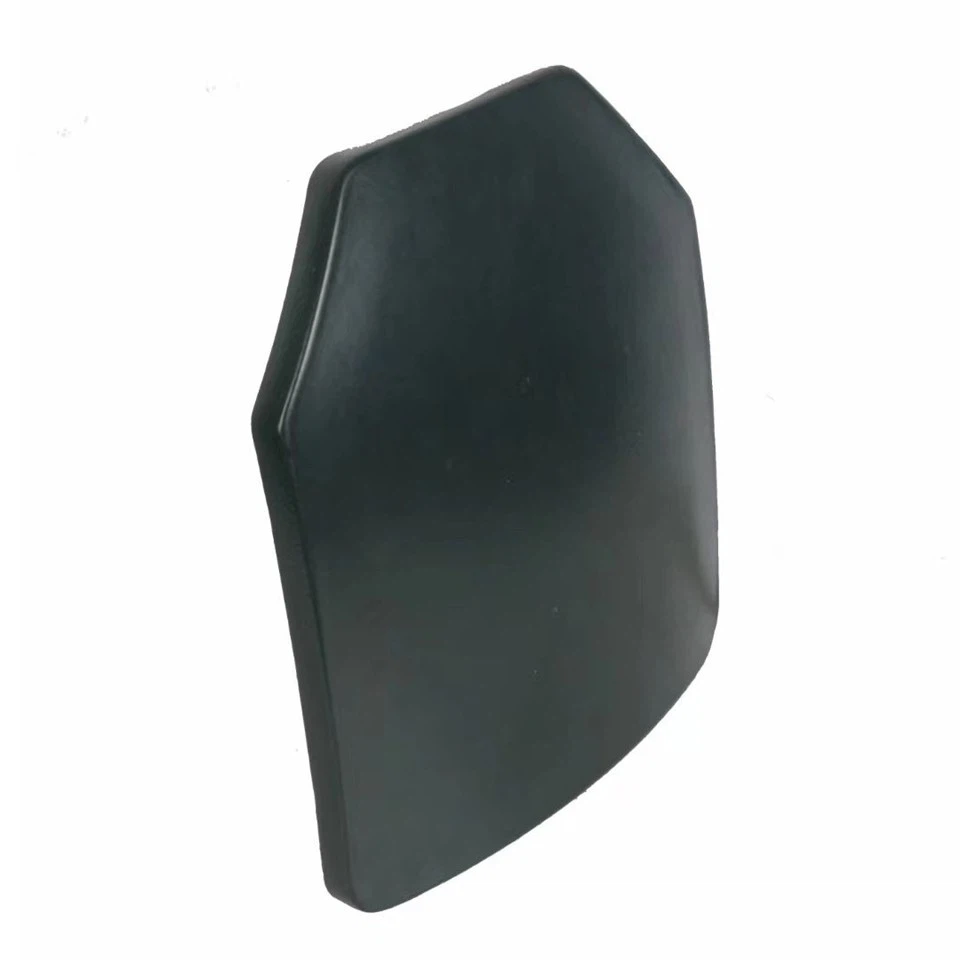
Underneath the outer layer, there are additional padding layers. These padding layers are made of materials like foam or gel, which absorb and distribute the force of impacts. Some riot suits also incorporate Multi Curved Ballistic Plate for added protection against projectiles and ballistic threats.
The inner layer is often a breathable fabric that helps to wick away sweat and keep the officer comfortable during long shifts. This layer is crucial as it prevents overheating and allows the officer to focus on their duties.
Factors Affecting Temperature Tolerance
Several factors contribute to the maximum temperature a police riot suit can withstand.
Material Properties
The materials used in the construction of the riot suit play a significant role. For example, Kevlar, which is commonly used in ballistic protection, can withstand relatively high temperatures. Kevlar has a high melting point, typically around 500°C (932°F). However, the outer nylon layer may have a lower melting point, often around 250°C (482°F). Once the material reaches its melting point, its structural integrity is compromised, and the suit may no longer provide adequate protection.
Layer Configuration
The way the layers are arranged also affects temperature tolerance. A suit with multiple thick layers will insulate the officer more, keeping in body heat. While this is beneficial in cold environments, it can lead to overheating in hot conditions. Moreover, a suit with a poorly designed ventilation system may trap hot air inside, reducing the overall temperature tolerance.
Environmental Conditions
The external environment also has a major impact. In a dry, hot climate, the suit may be able to withstand higher temperatures compared to a humid environment. In high - humidity conditions, the body's ability to cool itself through sweating is reduced. The moisture in the air prevents sweat from evaporating, which is the body's natural cooling mechanism. This can cause the officer to feel much hotter inside the suit, even if the actual ambient temperature is within the suit's theoretical temperature tolerance.
Testing and Standards
Manufacturers of police riot suits conduct a series of tests to determine the temperature tolerance of their products. These tests involve subjecting the suit to controlled temperature environments while monitoring the internal temperature and the performance of the suit's materials.
Industry standards also play a role in defining the acceptable temperature range for police riot suits. Although there is no one - size - fits - all standard, organizations like the National Institute of Justice (NIJ) in the United States set guidelines for various aspects of law enforcement equipment, including ballistic and stab - resistant protection. These guidelines may also touch on the thermal performance of the equipment to ensure the safety and comfort of officers.
Real - World Performance
In real - world scenarios, police officers often operate in a wide range of temperatures. During summer months, especially in tropical or desert regions, ambient temperatures can soar above 40°C (104°F). Officers wearing full riot gear may face additional challenges due to the heat generated by their own bodies as they engage in physical activities.
To mitigate the effects of high temperatures, modern police riot suits are designed with improved ventilation systems. These systems can include mesh panels, ventilation holes, or cooling inserts. For example, a Riot Jacket may have strategically placed mesh panels on the back and underarms to allow air to circulate more freely.
However, even with these improvements, there is a limit to how much heat a police riot suit can effectively manage. If the external temperature exceeds 50°C (122°F) for an extended period, the risk of heat - related illnesses such as heat exhaustion or heatstroke increases significantly, even for well - ventilated suits.
Our Offer as a Supplier
As a leading supplier of police riot suits, we understand the importance of providing high - quality gear that can withstand extreme conditions. Our Police Riot Equipment is designed and manufactured using the latest technologies and materials to ensure maximum protection and comfort for law enforcement officers.
We have invested heavily in research and development to improve the temperature tolerance of our suits. Our engineers are constantly exploring new materials and design concepts to enhance ventilation and heat dissipation. For example, we have introduced a new type of breathable padding material that allows for better air circulation without compromising on protection.
Our commitment to quality also extends to our testing procedures. Every batch of riot suits undergoes rigorous testing to ensure that it meets or exceeds industry standards for temperature tolerance, as well as other performance criteria such as impact resistance and durability.
If you are in the market for reliable police riot suits, we invite you to contact us for a detailed discussion. Our team of experts is ready to provide you with all the information you need and help you select the most suitable equipment for your specific requirements. Let's work together to ensure the safety and effectiveness of your law enforcement operations.
References
- National Institute of Justice. (Year). Law Enforcement Equipment Standards.
- Textile Manufacturers Association. (Year). Properties of High - Performance Textile Materials.
- Police Equipment Research Group. (Year). Field Studies on the Performance of Police Riot Suits in Extreme Temperatures.