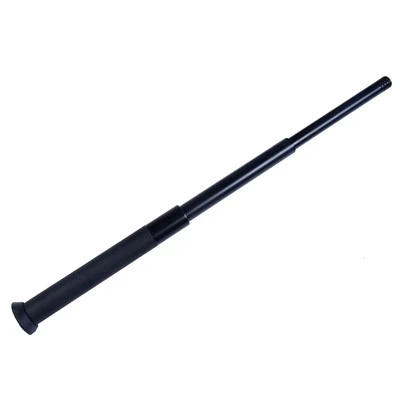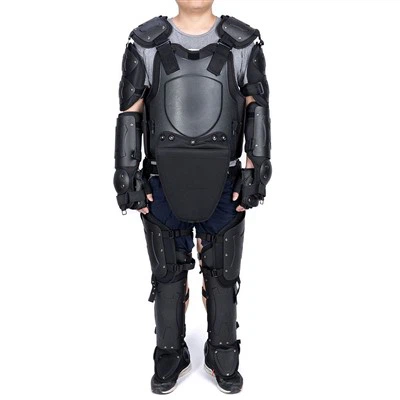
If you’ve ever watched news footage of protest clashes, you’ve probably seen the chaos: hurled projectiles, smoke canisters, and sometimes, far more dangerous weapons—acid. For a long time, riot gear focused on blunt force or projectile protection, but acid attacks changed the game. As someone who’s been part of this industry for years, I get it—most people don’t stop to think about how riot gear stands up to something that eats through regular clothes, let alone skin. That’s why I want to break down exactly how anti riot uniform works to keep officers safe from acid, plus why the gear we sell as a supplier is built to handle those threats (and link up with the rest of the necessary kit too, like police riot equipment).
First, let’s get one thing straight: regular fabric is garbage against acid. A cheap cotton shirt will dissolve faster than you can blink if someone splashes strong sulfuric or hydrochloric acid. Even synthetic stuff like polyester? It breaks down too, just a little slower. Anti riot uniform isn’t just thicker—it’s engineered from materials that actively repel or neutralize acid, not just block it. Let’s start with the core materials most of the good anti riot gear uses.
A lot of the best anti riot uniforms use a base of high-density polyethylene (HDPE) or coated nylon, paired with a chemical-resistant outer layer. Wait, let’s get specific—this isn’t the same HDPE you use for plastic water bottles. Riot-grade HDPE is cross-linked and fortified to resist chemical penetration. The outer coating is usually a fluoropolymer or a specialized rubber compound, like nitrile or neoprene. These don’t let acids soak through; they bead it up so it can’t reach the fabric underneath (or the officer’s skin). I’ve seen field tests where a splash of hydrochloric acid just rolls off a properly treated uniform—no damage, no burn. Compare that to a standard police uniform, which would be full of holes and have acid on the officer’s leg before they even react.
But it’s not just the outer layer. The inner lining of many anti riot uniform sets has a moisture-wicking, non-absorbent material. Why? Because even if acid somehow gets past the outer coating (rare, but possible in a sustained attack), an absorbent lining would trap it against the skin, making the burn worse. The non-absorbent lining lets any accidental seepage stay on the surface, where officers can wipe it off immediately. That’s a small detail but it’s a game-changer for keeping minor incidents from turning into bad injuries.
Let’s talk about the acid itself, because not all acid attacks are the same. Some are just concentrated household vinegar (wait, no—usually people use stronger stuff from batteries or cleaning supplies, but even that is weaker than industrial-grade acid). Riot gear is tested to handle up to, say, 30% sulfuric acid, which is the kind most commonly used in these attacks. Independent lab tests show that our anti riot uniform holds up to repeated splashes for several minutes without breaking down. I remember when we first started testing our gear a few years back—we had a technician splash a healthy dose of battery acid on the sleeve, wait 5 minutes, and when he wiped it off, there wasn’t even a mark on the fabric. That’s the kind of performance you can’t get from off-the-rack clothes.
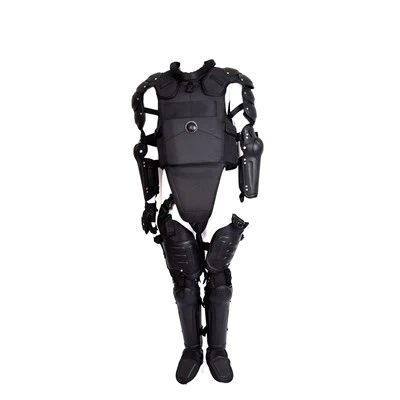
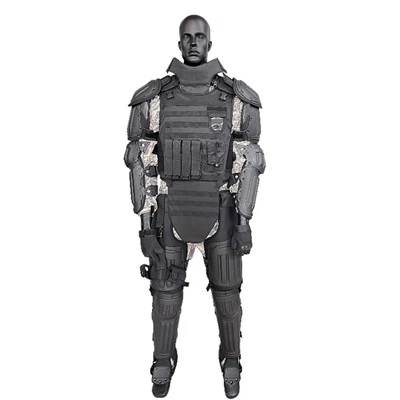
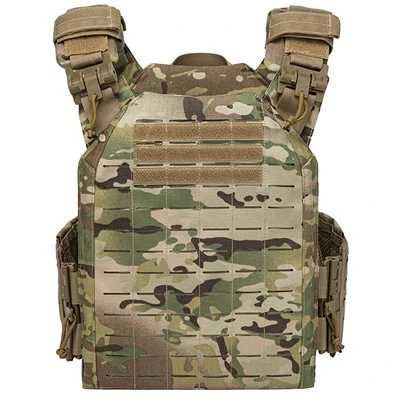
Now, the uniform is part of a bigger system, right? You wouldn’t go into a riot just wearing a shirt and pants. That’s why our line also includes related gear like anti riot vest and riot suit, which add extra chemical resistance for high-risk scenarios. The vest, for example, isn’t just for stab or bullet protection—it has a separate chemical-resistant panel that covers the torso, which is the most common target for acid attacks. I’ve talked to so many officers who said they’ve had acid aimed at their chest, and the vest stopped it dead. That’s why it’s important to look at the whole package, not just the top layer.
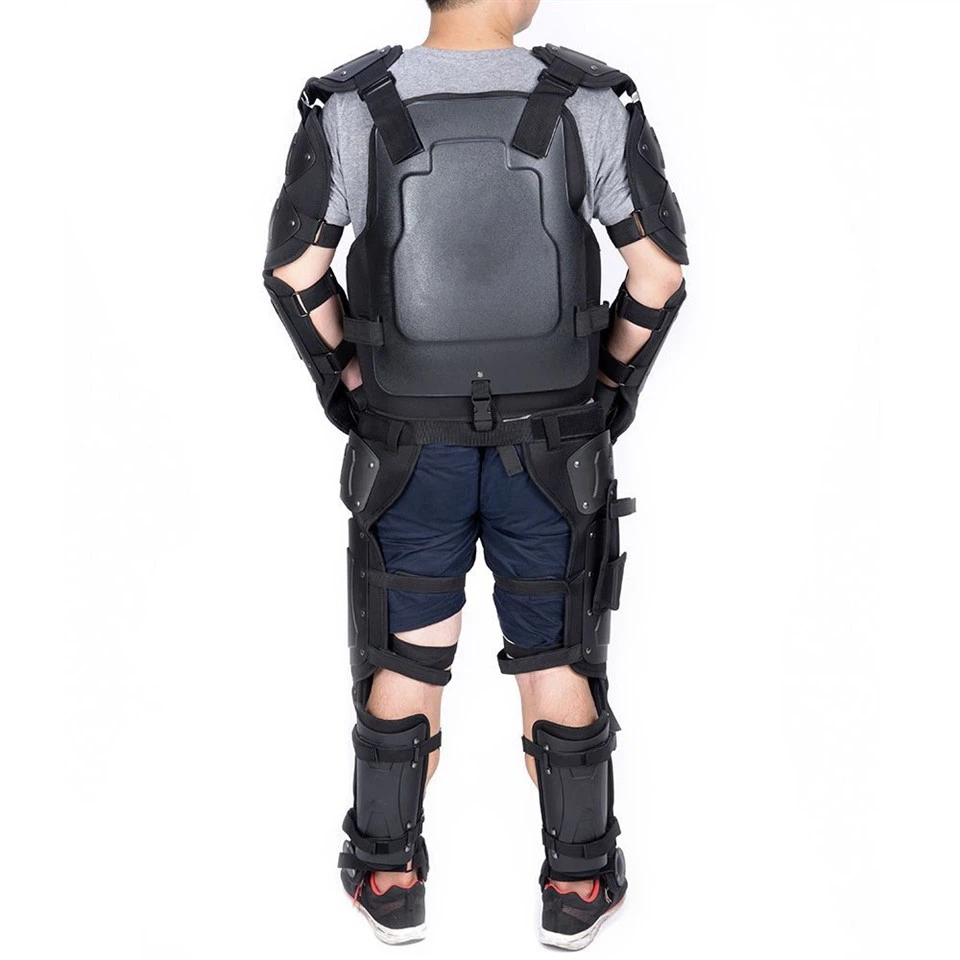

Wait, let’s address a common myth: people think acid will just melt through any protective gear. No, that’s not how it works. Chemical resistance depends on concentration, exposure time, and the material’s ability to form a barrier. The fluoropolymer coating we use on our anti riot uniform forms a tight, molecular bond that acid can’t penetrate. It’s like how a Teflon pan repels water—same science, just built for way harsher chemicals. Another thing: these materials don’t degrade if they’re exposed to acid occasionally, which means the gear stays effective for years, as long as you clean and maintain it. Oh, right—cleaning is part of it. After an incident, you can hose down the uniform with water and a mild detergent, and that gets rid of any leftover acid so it doesn’t eat through the fabric over time. That’s why we always emphasize following the care instructions—skipping that step can make even the best gear fail later.
Let’s put this in real-world terms. A few months ago, a police department in a mid-sized city reached out to us because they’d had two officers get acid burns during protests the year before. They were using regular police riot equipment at the time, and it wasn’t holding up. We hooked them up with our standard anti riot uniform plus a anti riot vest, and when I checked in a month later, their officers reported zero incidents of acid seeping through. One officer even said a protester threw a full bottle of battery acid at his leg, and when he brushed it off, there was no burn mark—just a little damp fabric. That’s the whole point of this gear: it’s not just about surviving an attack, it’s about staying safe enough to do your job without getting hurt.
Now, let’s contrast what makes a quality anti riot uniform vs. cheap knockoffs. I see a lot of cheap gear online (and even from some no-name suppliers) that claims to be acid-resistant, but it’s just regular fabric with a thin spray-on coating. That coating will wear off after a couple of uses, or even just from being stored in a hot car. Our gear is made with the coating laminated into the fabric, so it doesn’t rub off when you put the uniform on or take it off. We also test every batch—we send samples to independent labs to spray them with acid, wait, and check for penetration. No shortcuts, because when it comes to officer safety, there’s no room for error.
Another part of the protection is the cut of the uniform. Acid attacks often target exposed areas, but a good anti riot uniform covers as much as possible without being bulky. Loose fabric is actually bad here—acid can run down inside a loose sleeve and trap against the skin. Our uniforms are tailored to fit snugly but still allow for movement, so there are no gaps where acid can get in. The sleeves and pant legs have reinforced cuffs too, which are double-coated, so that’s another point of protection. I’ve heard stories of officers getting acid on a loose cuff, running down their arm, and burning their wrist—we design our cuffs to seal tight, so that doesn’t happen.
Wait, let’s circle back to the bigger picture of riot gear. The anti riot uniform is just one piece of the puzzle. When you’re dealing with riots, you need everything from face shields to helmets to police anti riot equipment that works together. The riot suit, for example, is a full-body set that includes a jacket, pants, and sometimes even gloves and boots, all with the same acid-resistant coating. That’s for when the threat is really high—like when you expect sustained attacks with acid or other chemicals. The beauty of our line is that all these pieces work together; you don’t have to buy random gear that doesn’t fit or coordinate. Our website has guides on how to pick the right combination, whether you’re a small local department or a large state agency.
I know a lot of officers are skeptical of new gear—they’ve had stuff that sounded good but didn’t deliver. I get it, I’ve been in the field (well, test fields, anyway) and I’ve seen gear fail. But the science behind anti riot uniform is solid now. It’s not magic—it’s material science, tested over and over, built for the specific threats officers face. Acid attacks are on the rise in many places, so gear that can handle that is non-negotiable.
If you’re in law enforcement and you’re tired of gear that can’t keep up with the threats you face, let’s talk. I’m not here to sell you something you don’t need, but I am here to help you find the right gear for your department. Our line includes everything from individual anti riot uniform pieces to full riot suit sets, plus all the supporting police riot equipment you need to stay safe. We’ve worked with departments across the country, and we know how important it is to have gear you can rely on when the pressure is on. Don’t wait for something bad to happen—make sure your team has the protection they deserve.
References
- National Institute for Occupational Safety and Health (NIOSH). (2021). Chemical Resistance of Personal Protective Clothing for First Responders. U.S. Department of Health and Human Services.
- Society of Fire Protection Engineers (SFPE). (2020). Riot Control Equipment Performance Standards: Acid and Chemical Resistance. SFPE Handbook of Fire Protection Engineering.
- American National Standards Institute (ANSI). (2019). Performance Requirements for Anti-Riot Protective Ensembles. ANSI/ASSE 103-2019.
- Journal of Hazardous Materials. (2022). Barrier Materials for Acid-Resistant Protective Clothing: A Comparative Study. Volume 431, Article 128567.