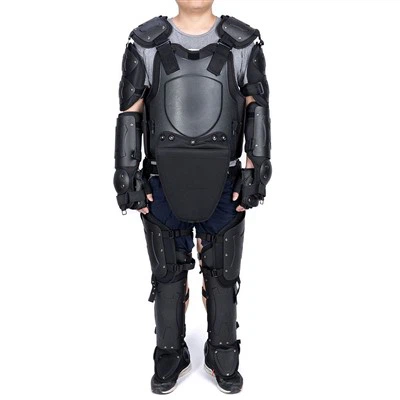
If you’ve ever watched footage of a riot or crowd disturbance, you’ve probably seen law enforcement officers wearing bulky gear—from body armor to gloves, boots, and those distinctive clear anti-riot visors that cover their entire face. At my company, we supply anti riot gear to teams around the world, and one of the most common questions I get from folks looking to stock up is: how do those visors actually work? They look like just thick plastic at first glance, but there’s way more science behind them than you’d think. Let’s break it down in plain terms, no jargon, and explain why these visors aren’t just for looking tough.
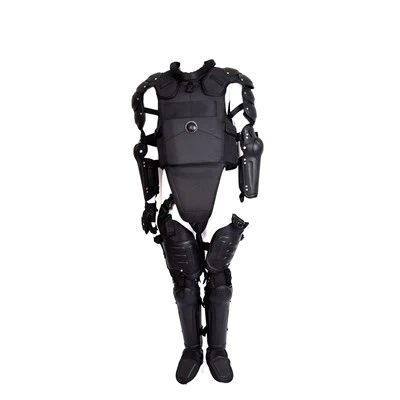
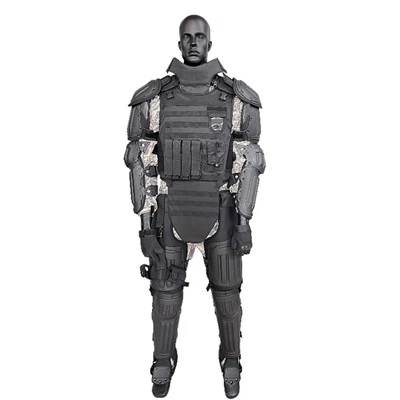
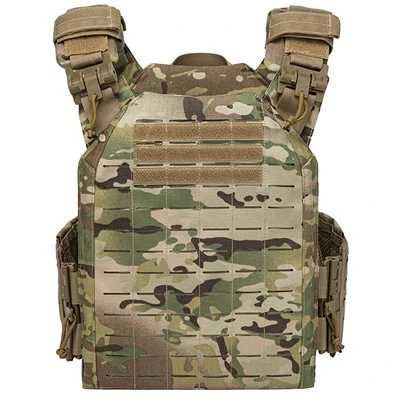
First off, I need to set the scene a little. When a riot kicks off, what are the biggest face threats? It’s not just rocks being thrown—yeah, rocks are bad, but there’s also pepper spray canisters, sharp objects like broken glass, paint bottles, even laser pointers that can mess with your eyes. And the face is super fragile; the eyes, nose, and mouth are all entry points for chemicals, debris, and blunt force. That’s where anti riot visors step in, but they aren’t one-size-fits-all. Wait, actually, if you check out our Anti Riot Suit page, you’ll see that the visor is a key part of the whole kit—you can’t just slap one on and call it good. The suit, plus the visor, plus things like the Multi Curved Ballistic Plate on your chest, works together to cover every vulnerable spot.
Let’s start with the material, because that’s the foundation of how a visor protects. Most anti riot visors aren’t made of regular plastic. They’re usually polycarbonate, which is the same stuff that’s used in bulletproof windows or the lenses of motorcycle helmets—just a way thicker and stronger grade. Wait, how thick are we talking? For standard riot use, they’re usually between 3mm and 6mm thick. For high-risk situations where officers might face projectile weapons, they can go even thicker, up to 10mm or more. Polycarbonate is great because it’s impact-resistant way better than glass or acrylic. Glass shatters on impact, right? If a rock hits a glass visor, it would crack or break, sending sharp pieces flying. Acrylic is more scratch-prone and weaker under blunt force. Polycarbonate bends a little on impact, which stops it from breaking, and it’s also flexible enough to not crack if something hits it hard.
But it’s not just the material. The design of the visor matters too. Most are multi-curved, not flat. Why? A flat surface would absorb all the force of a projectile directly, like a baseball hitting a wall. A curved surface disperses that energy, spreading it out across a bigger area instead of concentrating it on one spot. That’s the same principle as the Multi Curved Ballistic Plate we sell—curved shapes distribute force so it doesn’t puncture or damage the gear. The visors also have rounded edges, no sharp corners, so if something does glance off, there’s no chance of it digging into the officer’s face. Plus, they’re shaped to extend beyond the face, covering the entire forehead, cheeks, and chin, not just the eyes. That way, even a thrown bottle that hits the side of your face is blocked.
Now, let’s talk about specific threats, because visors are built for different dangers. The first big one is blunt force. Rocks, bricks, metal poles, even full water bottles—all of these can come flying at someone in a riot. A standard polycarbonate visor can stop a rock thrown at 30 or 40 mph, which is more than enough for most crowd situations. For higher-risk deployments, like when there’s a chance of live projectiles or large objects, we offer reinforced visors that can handle even more. I remember a few years back, we supplied gear to a city that had a big protest where people were throwing cinder blocks—their officers said the visors worked perfectly, no injuries to the face, even when blocks bounced off them.
The second big threat is chemical irritants, like pepper spray or tear gas. Oh, those are way trickier than blunt force, because they’re not just physical—they’re chemical, and they can get through tiny gaps. A lot of people don’t realize that the visor isn’t just a clear shield; it’s sealed around the edges where it connects to the rest of the riot gear. If you check out our Police Riot Suit page, you’ll see that the helmet and visor have a tight, rubberized seal that fits against the officer’s face. That stops spray from getting in through the sides or bottom. Some visors also have anti-fog coating, which is important because if you can’t see, you’re useless. When an officer is wearing the visor, their breath would normally fog it up, but the coating prevents that, so vision stays clear even in hot, stuffy conditions.
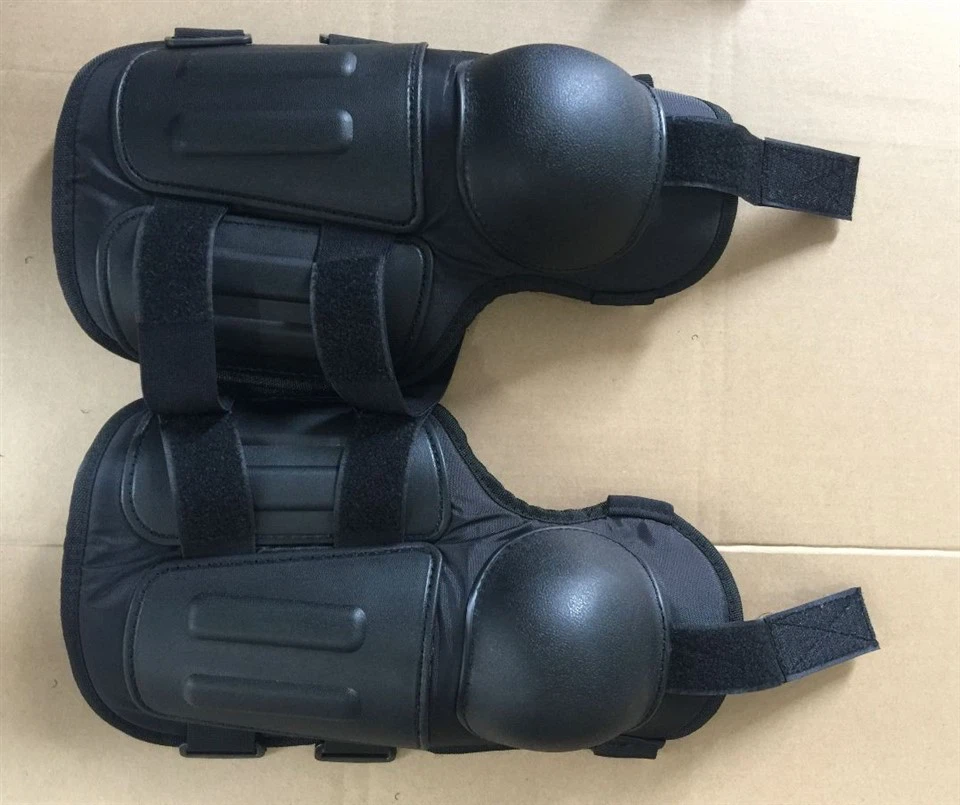
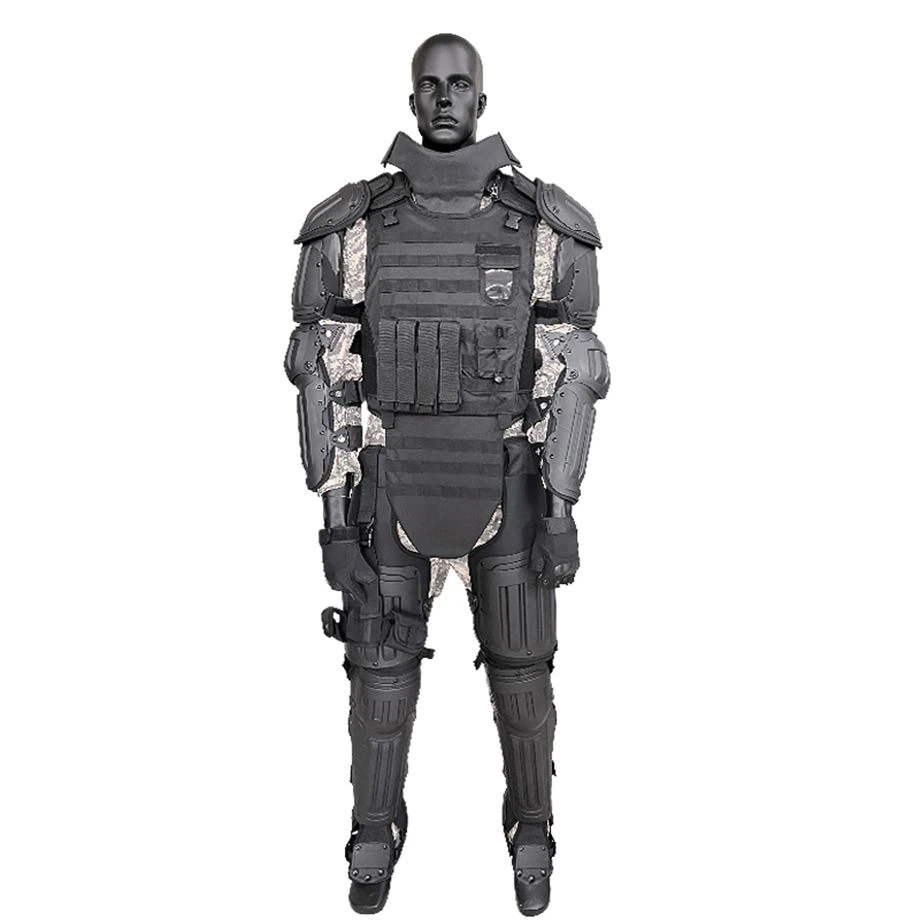
Another threat is sharp objects—broken glass, knives, even pieces of metal. Polycarbonate is puncture-resistant too, right? It can handle small sharp objects, like a shard of glass thrown at a low speed. For knives, though, most standard visors won’t stop a stabbing, but they’re built to resist slips and glancing blows, which are more common in a crowd. If someone swings a knife and the blade grazes the visor, it won’t slice through and cut the officer’s face. That’s a big deal because even a small cut can lead to infection or more serious issues in a chaotic situation where you can’t get immediate medical help.
Wait, I should mention that visors aren’t one-size-fits-all. We’ve got different styles for different situations. For example, the Riot Control Suit uses a lighter, more flexible visor for shorter deployments where mobility is key. For long shifts or high-intensity situations, we have heavier visors with better seals and impact resistance. The Riot Suit line, which is our top-tier full-body kit, comes with interchangeable visors so officers can swap them out depending on the risk level of the day. If it’s a low-stakes protest, they can use a thinner, more scratch-resistant visor that’s easier to see through. If it’s a violent riot, they switch to a thicker, ballistic-grade visor that can handle more force.
I also get asked a lot about maintenance, because a visor is only as good as it is when it’s clear. Scratches can weaken the polycarbonate over time, right? If a visor gets all scratched up, it’s harder to see, and the scratches can be weak points that break on impact. That’s why we tell our customers to clean their visors with mild soap and water, not harsh chemicals, and to store them in a case when they’re not in use. We also recommend replacing visors every few years, even if they don’t look damaged, because polycarbonate can degrade from UV exposure or being stored improperly.
Let’s talk about why this matters for the officers on the ground. When you’re in a riot, your face is your most important tool—you need to see to do your job, to protect yourself and others. A visor isn’t just a piece of gear; it’s a lifesaver. I’ve talked to officers who’ve had rocks hit their visors and would’ve been seriously injured without it. One time, a cop told me a rock hit his visor so hard it left a dent, and it would’ve broken his nose if the visor wasn’t there. That’s the real deal—these things work.
I should also clear up a common misconception: some people think anti riot visors are just for looking aggressive, but no, they’re actually for protection. Officers put their lives on the line every time they go into a crowd, and the gear we supply is made to keep them safe without limiting their ability to do their job. The visor is a big part of that balance—you need it to be strong enough to stop threats, but clear and light enough that they can see, breathe, and move around.
If you’re reading this, whether you’re in charge of ordering riot gear for a law enforcement team or just curious about how this stuff works, I hope this helped you understand why anti riot visors are more than just clear plastic. They’re carefully designed pieces of equipment, made with specific materials and engineered to handle the unique threats of crowd disturbances.
If you’re looking to stock up on anti riot gear, whether it’s a full kit like our Anti Riot Suit, Police Riot Suit, Riot Control Suit, or Riot Suit, plus the accessories like Multi Curved Ballistic Plate, get in touch with our team to chat through your needs. We can help you pick the right gear for your situation, make sure you have the right visors and other components to keep your team safe. Don’t wait until you’re in a chaotic situation—be prepared.
References
- National Institute of Justice. (2020). Law Enforcement Riot Gear Performance Standards. U.S. Department of Justice.
- Polycarbonate Safety Materials Association. (2019). Impact Resistance Properties of Polycarbonate for Personal Protective Equipment.
- International Association of Chiefs of Police. (2021). Best Practices for Crowd Control Personal Protective Equipment Deployment.
- Center for the Study of Aggression and Violence. (2022). Threat Assessment for Crowd Disturbance-Related Facial Injuries.
- American National Standards Institute. (2018). Standard for Personal Eye and Face Protection (ANSI Z87.1).