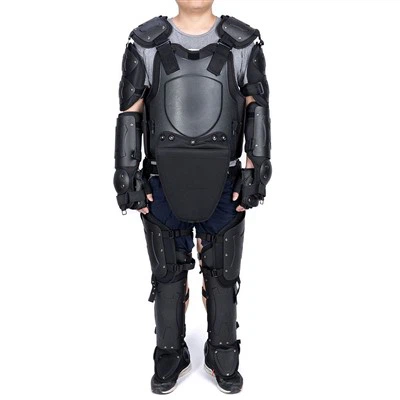
If you’ve ever stopped to think about how a bulletproof vest actually keeps someone safe, you’re not alone. As the owner of a small but hardworking bulletproof vest supplier, I get asked this question all the time—usually by people who wear our gear every day (cops, military guys, private security) or folks just curious about what goes into something that’s marketed as “bulletproof.” Spoiler: it’s not just slapping some tough fabric between two pieces of nylon and calling it a day. Testing these vests is a super specific, science-driven process that happens in labs, at firing ranges, and sometimes even in real-world field trials. Let me walk you through how we do it, and why every step matters.
First off, I need to get one thing straight: there’s no such thing as a vest that stops every single bullet. The technical term is “ballistic-resistant,” and that’s what all reputable manufacturers shoot for (pun very intended). The testing process is standardized, mostly by groups like the National Institute of Justice (NIJ) in the U.S., but every supplier adds their own checks too—because we care more about keeping people alive than just checking boxes. Let’s break it down step by step, starting with the basics: what even are vests made of these days? Most modern ones use UHMWPE (ultra-high-molecular-weight polyethylene) or aramid (think Kevlar), which are way lighter and more flexible than the old steel plates from decades ago. That’s why you’ll see our Uhmwpe Bulletproof Vest is a customer favorite—light enough to wear all shift, tough enough to handle threats. But before a vest ever gets close to a range, we test the materials themselves.

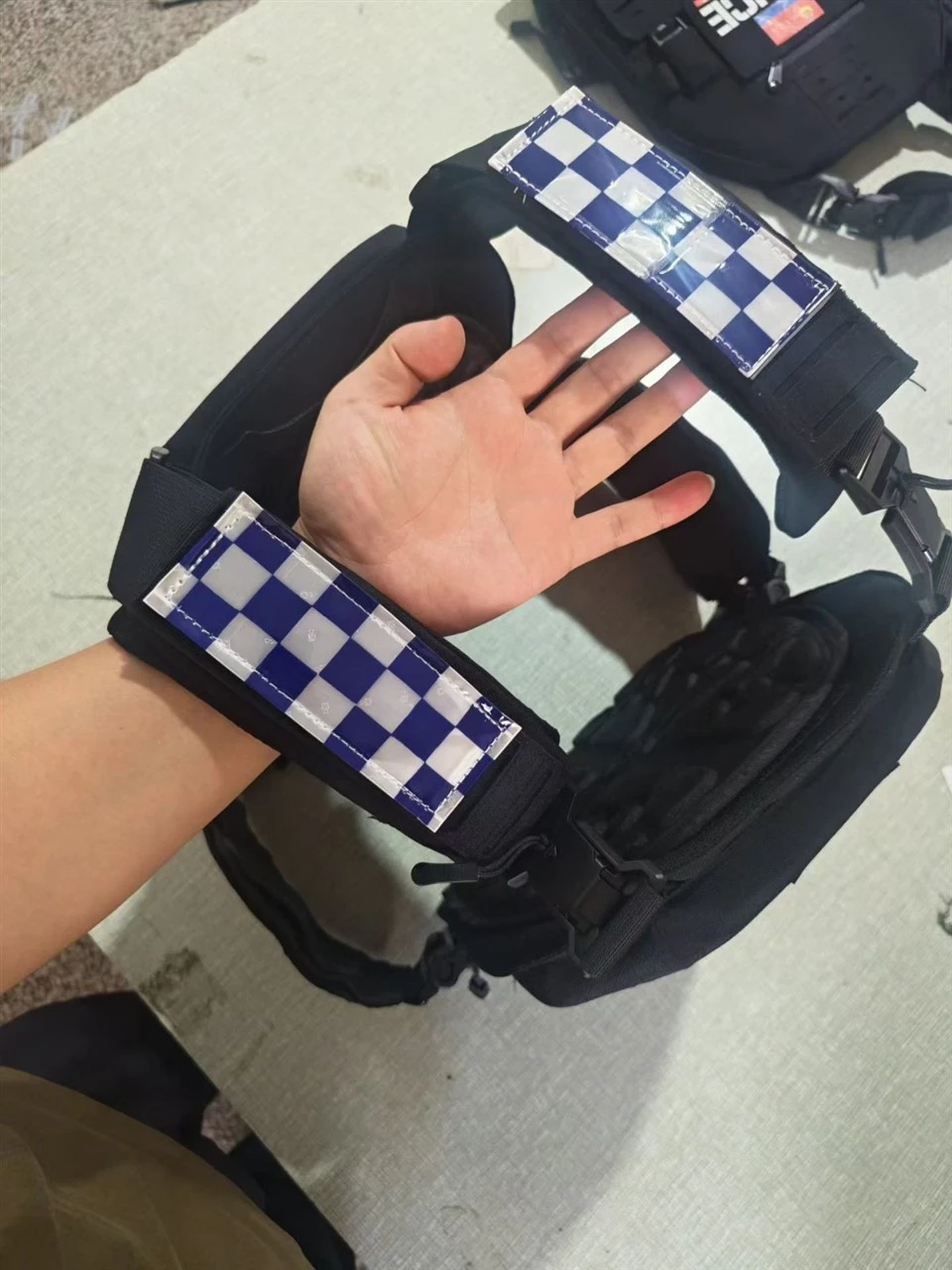
First stop: material testing. Before we even cut a single piece of fabric for a vest, we send rolls of UHMWPE or aramid to a materials lab. They do stuff like tensile strength tests (pulling the fabric until it breaks, to make sure it doesn’t stretch too much when hit), abrasion tests (scraping it against concrete to mimic wearing it through brush or rough surfaces), and even heat and cold resistance. Because if a vest is going to be worn in 110-degree desert heat or -20-degree mountain cold, it still needs to work. We once had a batch of UHMWPE that failed a cold test—when it got below 0, it got brittle, which would’ve been useless for guys working in the Rockies. We sent the whole lot back, no questions asked. That’s the kind of stuff that doesn’t make headlines, but it’s why our gear lasts.
Next, we build a test vest—exactly like the ones we sell to customers, down to the stitching and the sizing. Wait, stitching matters? Absolutely. If the seams on a vest rip when a bullet hits, the whole thing falls apart. So we do seam strength tests too: we pull the seams with a machine until they separate, and they have to hold up way more force than any bullet would exert. Once the test vest is put together, it’s time for the real deal: ballistic testing at a certified firing range. This is where the magic (and the loud noise) happens.
Ballistic testing is the big one, and it’s super standardized. The NIJ has different levels—Level IIA, II, IIIA, III, IV—each for different threats. Level IIA stops small handguns like a .38 or 9mm, Level IV stops armor-piercing rifle rounds. We don’t mess around here. At the range, we use something called a “gel block” to simulate human tissue. It’s a clear, gelatinous substance that behaves almost exactly like muscle and organs, so we can see how a bullet would affect a real person. A good vest will stop the bullet entirely (or almost entirely), and the indentation left in the gel (called backface deformation) has to be under 44 millimeters for most levels—any more than that, and the force could cause serious internal damage even if the bullet doesn’t pierce the vest.
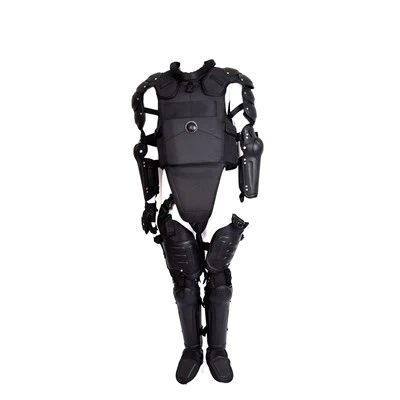
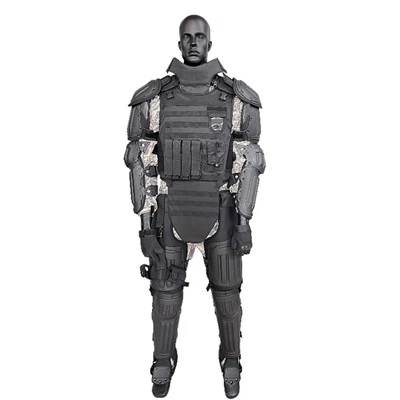
Here’s how we run a typical test: we take the test vest, drape it over the gel block, then fire a round from a set distance—usually 10 feet for handgun rounds, 15 feet for rifle rounds. We fire multiple shots, spaced at least 6 inches apart (so one shot doesn’t affect another), and we test both the front (where bullets usually hit) and the sides, since some threats might come from the side. For our Military Police Vest, which is built to handle higher-level threats than a regular patrol vest, we test it against .44 Magnum rounds and even 5.56 rifle rounds, because MPs might face a wider range of threats. We’ve had tests where a round just barely pierced the vest—if that happened, we’d go back to the drawing board, switch out a layer of UHMWPE or adjust the stitching, and test again until it passes.
Wait, but what about real-world stuff? Like, what if a vest gets torn on a fence, or is worn for 10 hours straight, then gets shot? We don’t skip those either. After the initial ballistic testing, we do what’s called “conditioning the vest” to mimic real use. For example, we’ll wash and dry it multiple times (since some cops might need to spot-clean their vest regularly), fold it and store it for months, or even drag it through mud and rain, then test it again. A couple years back, we did a test where we took a vest, sprayed it with water to simulate a rainy day, then fired a round at it. The water can make some fabrics less effective, but we adjusted our UHMWPE layers to repel water, and it passed with flying colors. That’s the kind of testing that makes our vests work when you need them, not just in a perfect lab.
We also test for flexibility and comfort, because if a cop or soldier hates wearing their vest, they won’t wear it—and that’s a death sentence. A stiff, heavy vest might stop a bullet, but if someone leaves it in their car because it’s too hot to wear, it’s useless. Our Police Tactical Jacket, which is a vest built into a jacket for undercover work, is designed to look like a regular bomber jacket, so officers can wear it without drawing attention. We test how well it moves with the body: we have dummies that “run” and “reach” to mimic real patrol movements, and we make sure the vest doesn’t restrict movement at all. No one should have to choose between being safe and being able to do their job.
What about older vests? Do they stop working? Yeah, basically. All ballistic materials break down over time—even if you never shoot them. UV light from sunlight, sweat, and just regular wear and tear can make the fabric less effective. So we test vest aging too: we put vests in a chamber that simulates years of sun exposure (using UV lights) and humidity, then test their ballistic resistance. Our guidelines are to replace vests every 5 years, even if they look fine. We always remind customers of that, because it’s one of the most important things we can tell them.
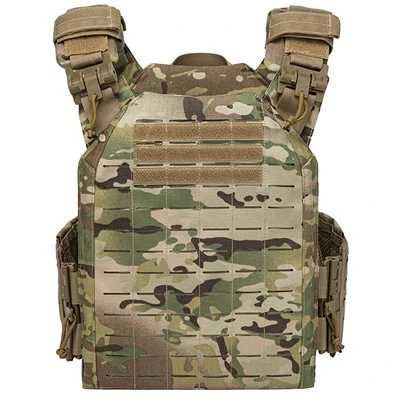
I know this all sounds like a lot, but here’s the thing: when someone buys a vest from us—whether it’s a Body Armor Vest for a private security guard, a Camouflage Bulletproof Vest for a hunting guide in bear country, or one of our military-grade models—they’re trusting us with their life. We don’t cut corners. We’ve had our own team members test our vests (in controlled, safe conditions, I swear) just to make sure they work. Last year, a trainee on our testing range fired a 9mm at a Level II vest we made, and it stopped dead. The sound was loud, the recoil was obvious, but that vest did exactly what it was supposed to do. That’s the moment all the testing feels worth it.
If you’re someone who needs a ballistic-resistant vest—whether you’re a law enforcement officer, a security professional, or just someone who needs protection for personal reasons—you shouldn’t settle for something that hasn’t been properly tested. A lot of cheap knockoffs online skip all this testing, use subpar materials, and can’t actually stop a bullet. That’s why we’re so transparent about our process. Every vest we sell has a batch number, so you can look up exactly when it was tested, what it was tested against, and who made it.
At the end of the day, testing bulletproof vests isn’t just a bunch of rules and numbers. It’s about making sure that when someone is in a dangerous situation, their vest doesn’t let them down. It’s about the cop who’s pulling someone over at night, the soldier on patrol in a foreign country, the security guard at a bank. We don’t take that responsibility lightly.
If you’re looking to stock up on quality, tested ballistic vests for your team, or just have questions about the testing process, we’d be happy to chat. We don’t do pushy sales, we just do good gear that’s built to keep people safe. Reach out, and we can walk you through all the details—no jargon, no pressure, just real talk about what makes a vest work.
REFERENCES
National Institute of Justice. (2022). Ballistic Resistance of Body Armor. NIJ Standard-0101.06.
American Society for Testing and Materials. (2021). Standard Test Methods for Strength of Seams in Textile Fabrics. ASTM D1683-21.
Ultra-High-Molecular-Weight Polyethylene Fiber Association. (2020). Material Performance Guidelines for Ballistic Applications. UHMWPE-2020.
Journal of Forensic Sciences. (2019). Backface Deformation in Soft Ballistic Armor: Correlation to Tissue Injury. Vol. 64, No. 3.
U.S. Army Soldier Systems Center. (2021). Environmental Aging Testing Schedule for Tactical Body Armor. SSC 21-04.