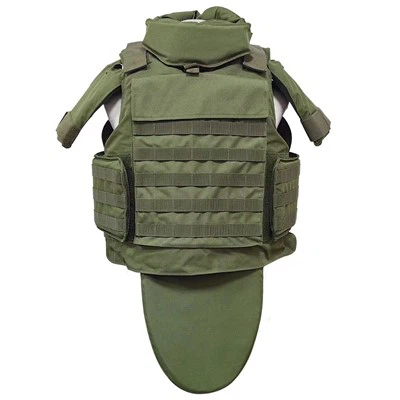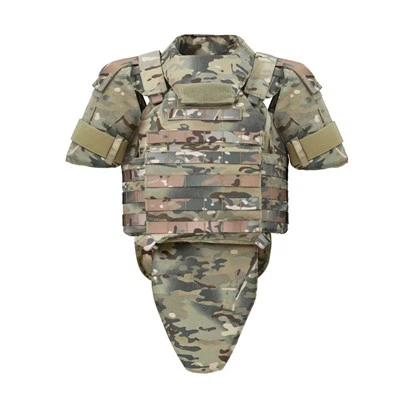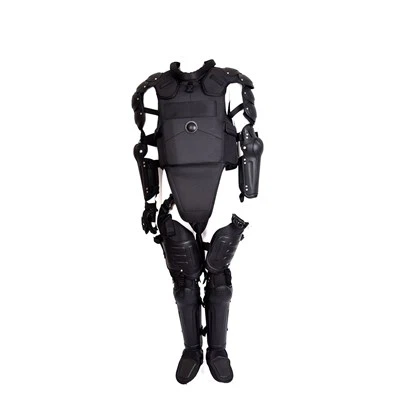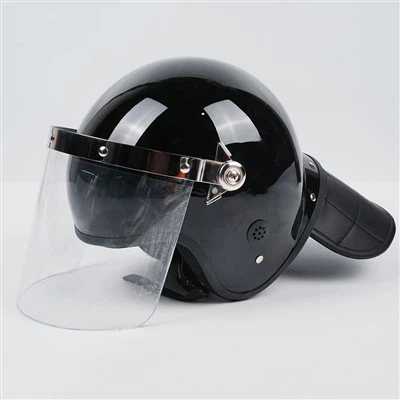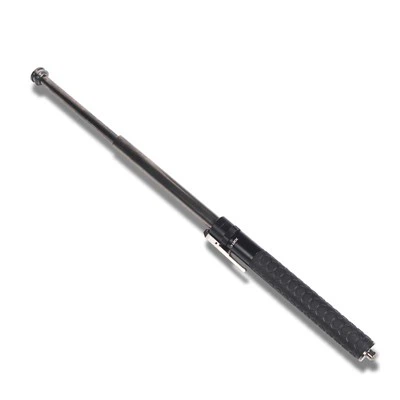
In the high - stakes world of riot control, anti - riot armor plays a crucial role in protecting law enforcement officers and security personnel. One of the most significant challenges faced by those wearing this armor is managing heat and ensuring proper ventilation. As a leading supplier of Anti Riot Armor, we understand the importance of these factors and have dedicated extensive research and development to addressing them.
The Heat Problem in Anti - Riot Armor
When officers are engaged in riot control operations, they are often in physically demanding situations. Wearing anti - riot armor adds an extra layer of insulation, which can cause the body to overheat quickly. Overheating not only reduces the comfort of the wearer but can also lead to serious health issues such as heat exhaustion and heatstroke.
The materials used in anti - riot armor, such as high - density polymers and ballistic plates, are designed to provide maximum protection. However, these materials are also excellent insulators, trapping body heat inside the armor. Additionally, the physical exertion required during riot control, such as running, pushing, and restraining, further increases the body's heat production.
Ventilation Design in Anti - Riot Armor
To combat the heat problem, we have incorporated advanced ventilation designs into our Anti Riot Armor. One of the key features is the use of breathable materials. We use fabrics that are specifically engineered to wick away sweat and allow air to circulate. These materials are lightweight and porous, enabling moisture to evaporate quickly and keeping the wearer dry and cool.
In addition to breathable fabrics, our armor is designed with ventilation channels. These channels are strategically placed to allow air to flow through the armor, carrying away heat and moisture. For example, we have ventilation channels along the sides of the torso and in the underarm areas, where heat tends to accumulate. The design of these channels is based on principles of fluid dynamics, ensuring that air can move freely without causing any resistance.
Another important aspect of ventilation is the use of adjustable vents. Our anti - riot armor is equipped with vents that can be opened or closed depending on the environmental conditions and the wearer's needs. In hot and humid conditions, the vents can be opened to increase air circulation. Conversely, in cold or windy conditions, the vents can be closed to retain heat.
The Role of Ballistic Plates in Heat Management
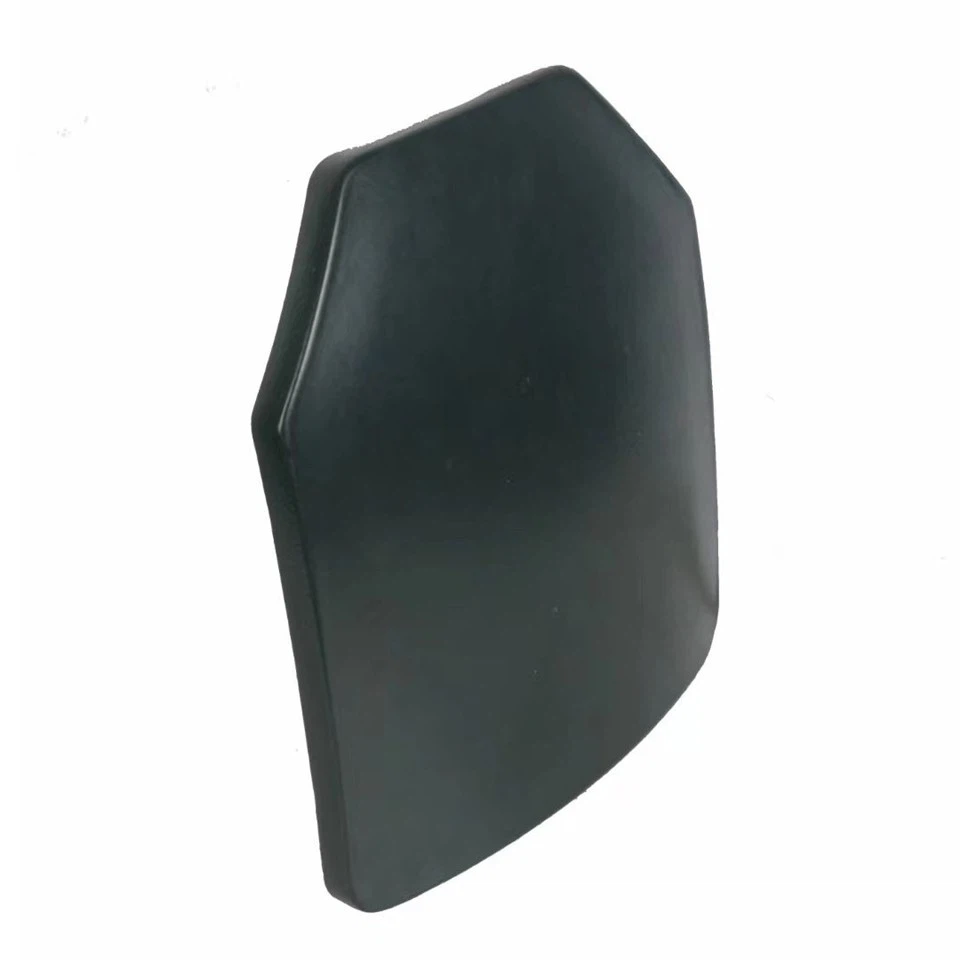
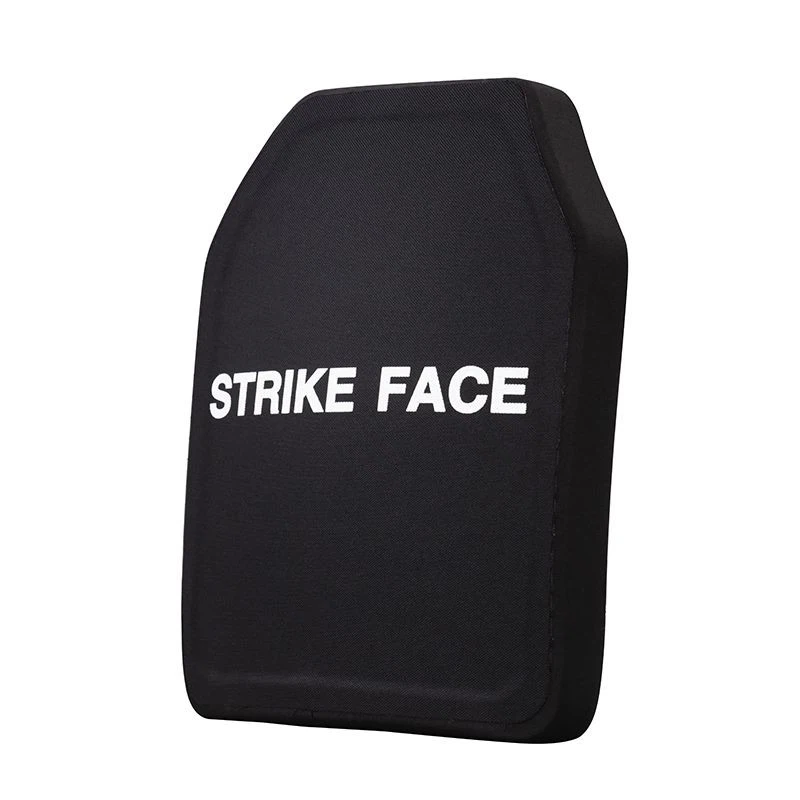
Ballistic plates are an essential component of anti - riot armor, providing protection against projectiles and blunt force trauma. However, these plates can also contribute to the heat problem. To address this, we have developed Multi Curved Ballistic Plate that are designed with heat management in mind.
Our multi - curved ballistic plates are made from advanced materials that have a high thermal conductivity. This means that they can transfer heat away from the body more effectively. Additionally, the curved design of the plates allows for better air circulation around the body, reducing the amount of heat trapped between the plate and the wearer's skin.
Cooling Technologies in Anti - Riot Armor
In addition to ventilation and ballistic plate design, we are also exploring the use of cooling technologies in our anti - riot armor. One such technology is the use of phase - change materials. These materials can absorb and release heat at a specific temperature, helping to regulate the body's temperature. For example, a phase - change material can absorb heat when the body temperature rises and release it when the temperature drops.
Another cooling technology we are researching is the use of active cooling systems. These systems use fans or pumps to circulate cool air or liquid through the armor. While these systems are more complex and expensive, they offer a more effective way to manage heat, especially in extreme conditions.
Testing and Validation
Before any of our anti - riot armor products are released to the market, they undergo rigorous testing and validation. We use a combination of laboratory tests and field trials to ensure that our armor meets the highest standards of heat management and ventilation.
In the laboratory, we use thermal imaging cameras and sensors to measure the temperature distribution inside the armor. We also conduct tests to evaluate the breathability of the materials and the effectiveness of the ventilation channels. In the field, we work with law enforcement agencies and security personnel to gather feedback on the performance of our armor in real - world scenarios.
The Importance of Heat and Ventilation in Riot Control
Proper heat management and ventilation in anti - riot armor are not just about comfort; they are also crucial for the safety and effectiveness of law enforcement officers and security personnel. When officers are comfortable and cool, they can perform their duties more efficiently and for longer periods of time. This reduces the risk of fatigue and improves their ability to make quick and accurate decisions in high - stress situations.
Moreover, by preventing heat - related health issues, we can ensure that officers are able to stay on the job and respond to emergencies effectively. This is especially important in riot control situations, where the presence of well - equipped and alert officers is essential for maintaining public order.
Contact Us for Your Anti - Riot Armor Needs
If you are in the market for high - quality Anti Riot Armor or Anti Riot Gear that offers excellent heat management and ventilation, we invite you to contact us. Our team of experts is ready to assist you in finding the right products for your specific needs. Whether you are a law enforcement agency, a security firm, or an individual looking for personal protection, we have the solutions you need.
References
- "Thermal Comfort in Protective Clothing", Journal of Applied Physiology
- "Advances in Ballistic Materials for Personal Protection", International Journal of Impact Engineering
- "Ventilation Design in Protective Equipment", Proceedings of the International Conference on Safety and Protection