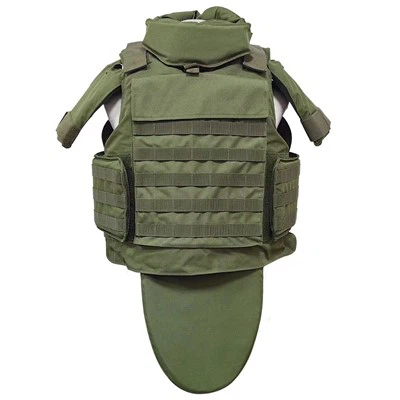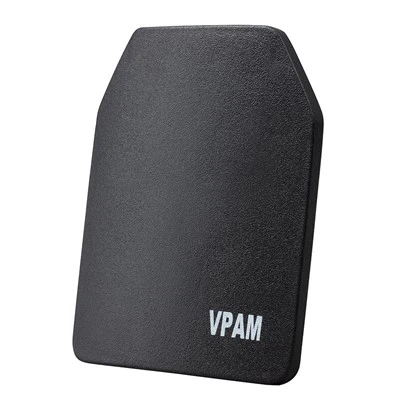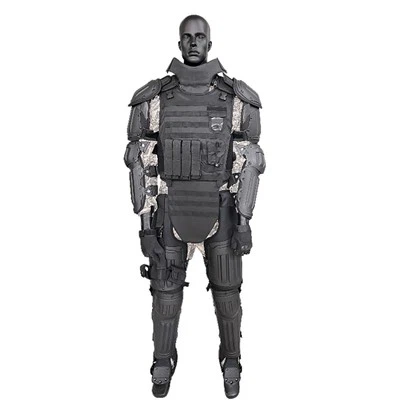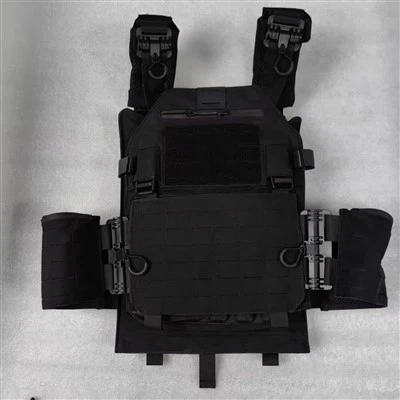
As a supplier of bulletproof plate carriers, I understand the importance of proper storage to maintain the integrity and functionality of these essential pieces of protective gear. In this blog, I'll share some scientific and practical tips on how to store a bulletproof plate carrier effectively.
Why Proper Storage Matters
Bulletproof plate carriers are significant investments, both in terms of cost and personal safety. Improper storage can lead to a variety of issues that may compromise the carrier's performance. For example, exposure to extreme temperatures, humidity, or direct sunlight can cause the materials to degrade over time. The ballistic panels, which are the heart of the plate carrier, can lose their effectiveness if not stored correctly. This means that when it comes time to use the carrier, it may not provide the level of protection you expect.
Initial Preparation for Storage
Before storing your bulletproof plate carrier, it's crucial to clean it thoroughly. Remove any dirt, debris, or sweat that may have accumulated during use. Use a mild detergent and a soft cloth to gently wipe down the carrier. Avoid using harsh chemicals or abrasive materials, as these can damage the fabric and the ballistic panels.
Inspect the carrier for any signs of damage, such as tears, fraying, or loose stitching. If you notice any issues, it's best to address them before storing the carrier. This may involve repairing small tears or replacing damaged parts.
Choosing the Right Storage Location
The ideal storage location for a bulletproof plate carrier should be cool, dry, and away from direct sunlight. A closet or a storage cabinet is a good option. Make sure the area is well - ventilated to prevent the growth of mold and mildew.
Avoid storing the carrier in areas prone to extreme temperature fluctuations, such as attics or basements. High temperatures can cause the materials to expand and contract, which may lead to damage. Low temperatures, on the other hand, can make the materials brittle.
Storing the Plate Carrier
When storing the bulletproof plate carrier, it's important to keep it in a flat or hanging position. If you choose to hang it, use a wide - spaced hanger to prevent the carrier from becoming misshapen. Avoid folding the carrier, as this can put stress on the ballistic panels and may cause them to delaminate.
If you have a Quick Release Tactical Vest, make sure all the quick - release mechanisms are in good working order before storage. You can also loosen any adjustable straps to relieve tension on the fabric.
Storing the Ballistic Panels
The ballistic panels are the most critical part of the bulletproof plate carrier. They should be stored separately from the carrier if possible. Place the panels in a padded container or a protective case to prevent them from being scratched or damaged.
If you're using Nij Iiia Ballistic Vest panels, follow the manufacturer's specific storage instructions. Some panels may require a certain level of humidity or temperature to maintain their performance.
Additional Considerations
- Regular Checks: Even when in storage, it's a good idea to check the bulletproof plate carrier periodically. Inspect the carrier and the ballistic panels for any signs of damage or deterioration. This will allow you to address any issues early on and ensure that the carrier is always in good condition.
- Avoid Compression: Don't stack heavy objects on top of the bulletproof plate carrier or the ballistic panels. Compression can damage the panels and reduce their effectiveness.
- Keep Away from Sharp Objects: Make sure the storage area is free of sharp objects that could puncture or cut the carrier or the panels.
The Role of Proper Storage in Product Lifespan
Proper storage can significantly extend the lifespan of a bulletproof plate carrier. By following these guidelines, you can ensure that your carrier remains in good condition for years to come. This not only saves you money in the long run but also provides you with reliable protection when you need it most.
Different Types of Plate Carriers and Their Storage
There are various types of bulletproof plate carriers available in the market, each with its own unique features. For example, Ballistic Protection Panels may have different storage requirements depending on their material and construction. Some panels are made of ceramic, which is more brittle and requires extra care during storage.
Bulletproof Uniform - type carriers may have additional components, such as zippers and buttons. When storing these carriers, make sure to check and maintain these components to prevent them from getting stuck or damaged.
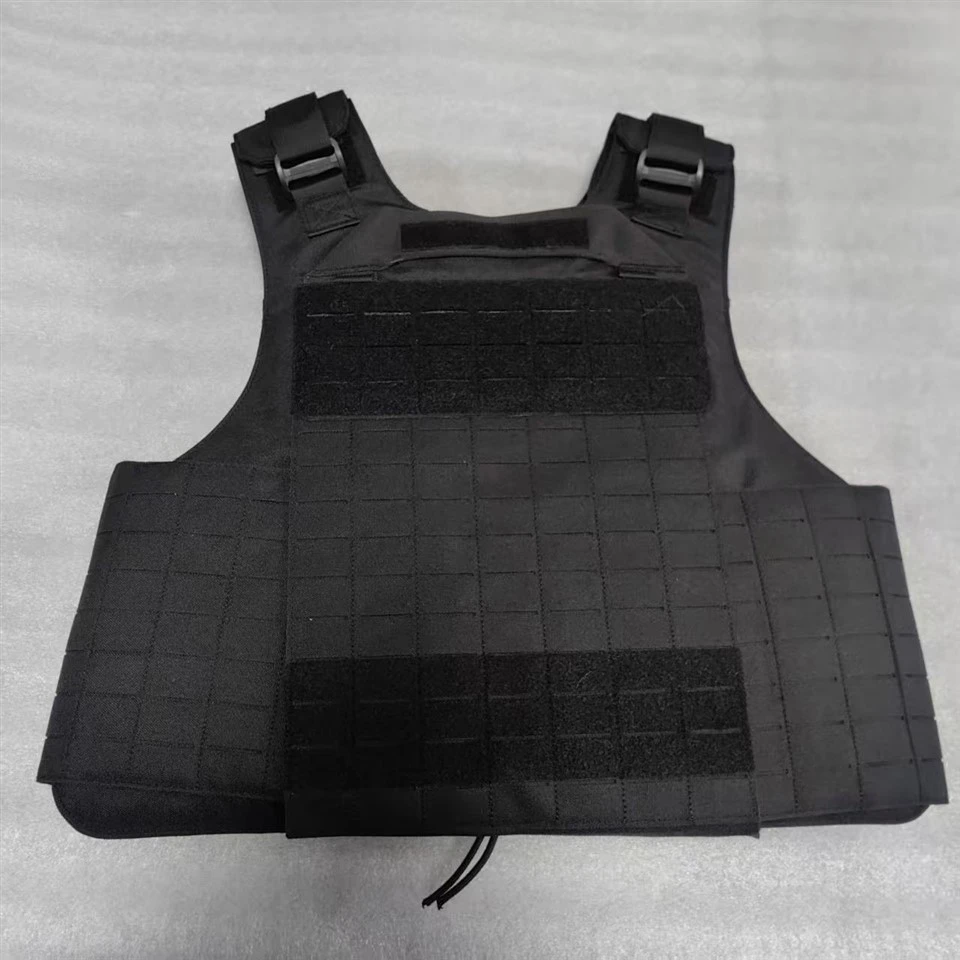

Tactical Vest carriers often have multiple pockets and compartments. Before storage, empty all the pockets and clean them to prevent the growth of bacteria or the accumulation of dirt.
Conclusion
Storing a bulletproof plate carrier properly is essential for maintaining its performance and extending its lifespan. By following the tips outlined in this blog, you can ensure that your carrier is always ready to provide reliable protection.
If you're in the market for high - quality bulletproof plate carriers or have any questions about storage or product selection, we're here to help. Our team of experts can provide you with detailed information and guidance to meet your specific needs. Contact us to start a discussion about your bulletproof gear requirements and explore our wide range of products.
References
- Manufacturer's guidelines for bulletproof plate carriers
- Industry standards for ballistic protection storage