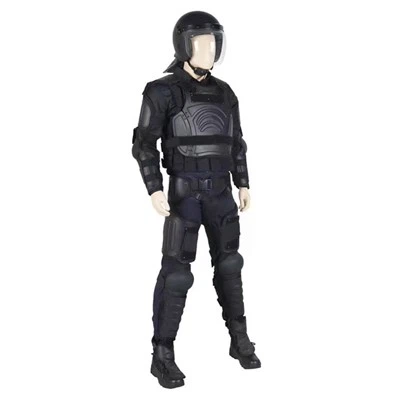
Do Riot Control Suits have ventilation systems?
As a supplier of riot control suits, I often get asked about the ventilation systems in these specialized pieces of equipment. Riot control suits are designed to protect law enforcement officers and security personnel in high - risk situations, but the issue of ventilation is crucial for the comfort and performance of the wearers.
The Importance of Ventilation in Riot Control Suits
When officers are involved in riot control operations, they are often in physically demanding situations. They may need to run, push, and engage in other strenuous activities for extended periods. Wearing a riot control suit can significantly increase body temperature, as the suit is made of thick, protective materials that can trap heat. Without proper ventilation, the wearer can quickly become overheated, leading to fatigue, reduced concentration, and even heat - related illnesses.
Heat stress is a serious concern in riot control scenarios. When the body overheats, it can cause symptoms such as dizziness, nausea, and muscle cramps. In severe cases, it can lead to heatstroke, which is a life - threatening condition. Therefore, a well - designed ventilation system in a riot control suit is not just a luxury but a necessity to ensure the safety and effectiveness of the officers.
Types of Ventilation Systems in Riot Control Suits
There are several types of ventilation systems that can be incorporated into riot control suits.
Passive Ventilation
Passive ventilation systems rely on natural air movement to cool the wearer. These systems typically consist of vents or mesh panels in the suit. The vents are strategically placed in areas where air can flow in and out easily, such as under the arms, on the back, and around the neck. As the wearer moves, air is drawn through the vents, creating a cooling effect.
For example, some riot control suits have large mesh panels on the sides of the torso. These panels allow air to circulate freely, reducing the buildup of heat and moisture inside the suit. Passive ventilation is a simple and cost - effective solution, but it may not be sufficient in extremely hot or humid conditions.
Active Ventilation
Active ventilation systems use fans or blowers to force air through the suit. These systems are more effective at cooling the wearer, especially in high - temperature environments. The fans can be battery - powered or connected to an external power source.
An active ventilation system can be designed to deliver a constant flow of fresh air to the critical areas of the body. For instance, some suits have small fans placed inside the helmet to cool the head and face. Others have fans in the torso area to circulate air throughout the suit. Active ventilation systems can significantly improve the comfort of the wearer, but they are more complex and expensive than passive systems.
Our Riot Control Suits and Ventilation
At our company, we understand the importance of ventilation in riot control suits. That's why we offer a range of suits with different ventilation options to meet the needs of our customers.
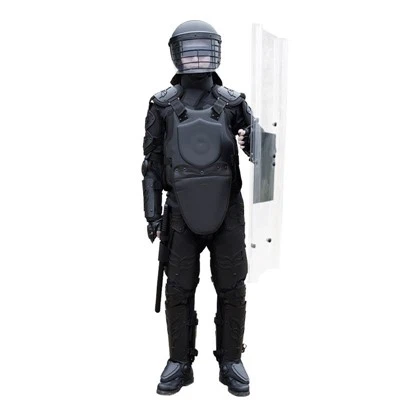
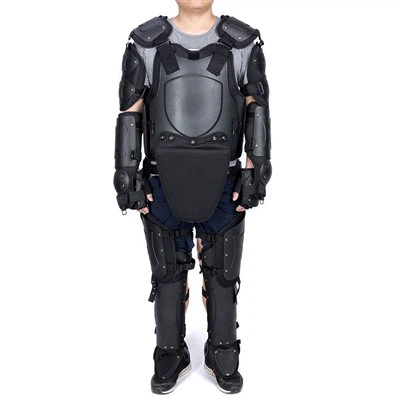
Our Riot Control Suit is designed with a combination of passive and active ventilation systems. The suit features large mesh panels on the sides and back for passive air circulation. In addition, we offer an optional active ventilation kit that can be attached to the suit. The kit includes small, lightweight fans that are powered by a rechargeable battery. These fans can be adjusted to provide different levels of airflow, depending on the environmental conditions and the wearer's needs.
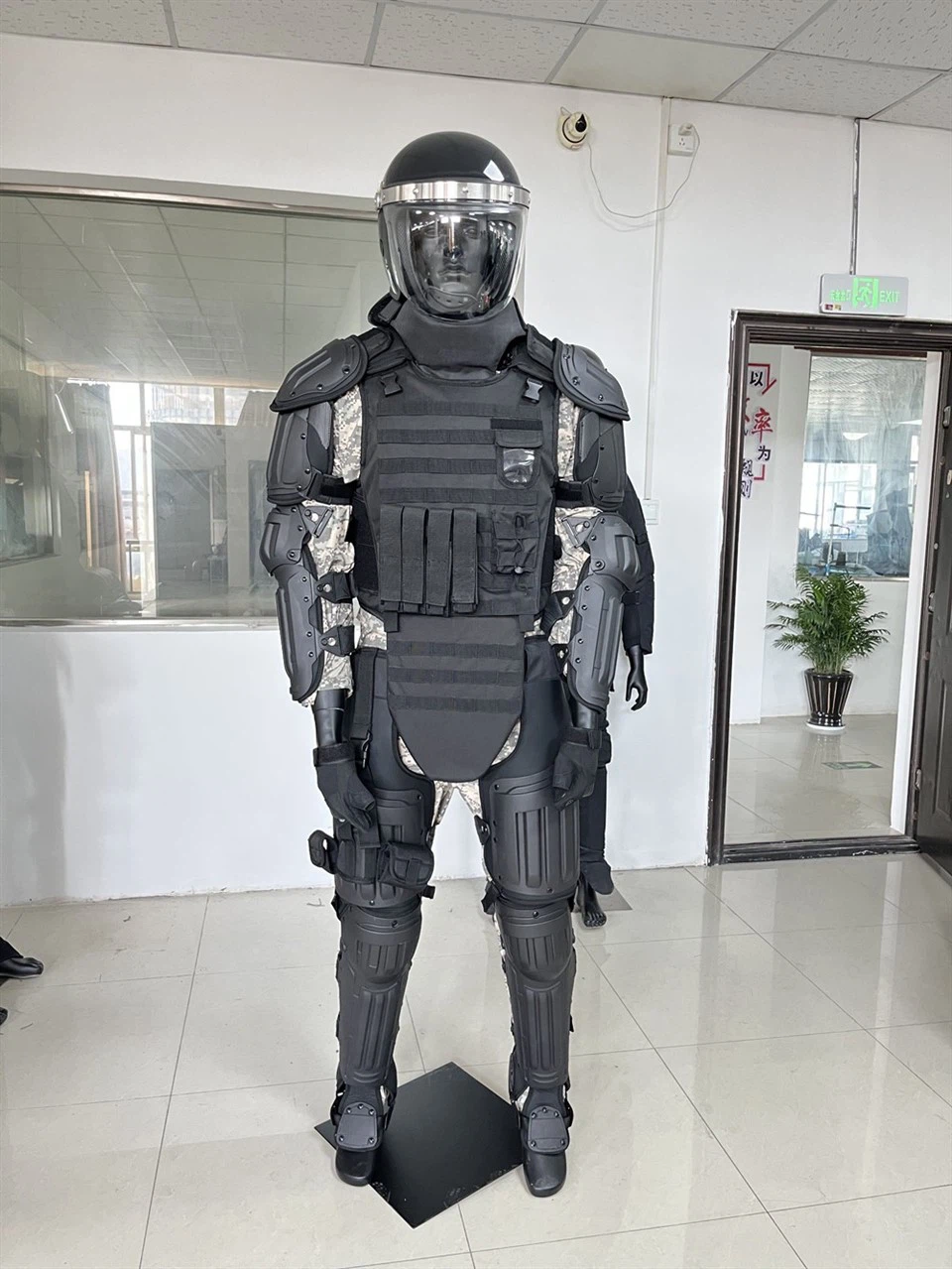
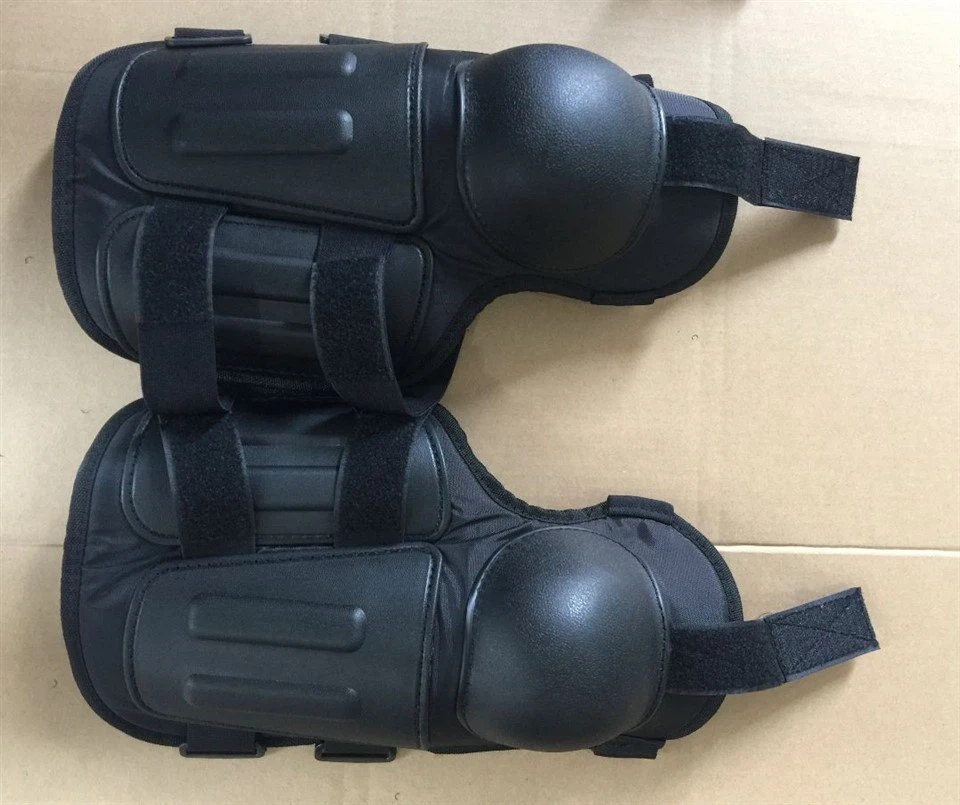
We also offer Anti Riot Suit and Anti Riot Armor with similar ventilation features. Our anti - riot suits are made of high - quality materials that provide excellent protection while still allowing for proper air circulation. The anti - riot armor is designed to be lightweight and breathable, with ventilation channels built into the design.
Testing and Validation
Before we release any of our riot control suits to the market, we conduct extensive testing to ensure that the ventilation systems are effective. We test the suits in a variety of environmental conditions, including high - temperature and high - humidity environments. We also have officers wear the suits during simulated riot control operations to evaluate the comfort and performance of the ventilation systems.
Our testing has shown that our ventilation systems can significantly reduce the body temperature of the wearer. In one test, officers wearing our suits with active ventilation systems were able to maintain a lower body temperature compared to those wearing suits without ventilation. This not only improves the comfort of the officers but also enhances their performance and safety during riot control operations.
Future Developments in Riot Control Suit Ventilation
As technology advances, we expect to see further improvements in the ventilation systems of riot control suits. For example, we may see the development of more efficient fans and blowers that use less power and provide better airflow. We may also see the integration of smart sensors into the suits that can monitor the body temperature of the wearer and adjust the ventilation system accordingly.
In addition, we are exploring the use of new materials that are more breathable and have better heat - dissipation properties. These materials could be used to replace some of the traditional materials in riot control suits, further improving the ventilation and comfort of the wearer.
Contact Us for Riot Control Suit Purchases
If you are interested in purchasing riot control suits with effective ventilation systems, we invite you to contact us for more information. Our team of experts can help you choose the right suit for your needs and provide you with detailed product specifications and pricing. We are committed to providing high - quality riot control equipment that meets the highest standards of safety and performance.
Whether you are a law enforcement agency, a security company, or an individual in need of riot control gear, we can offer you the best solutions. We look forward to working with you to ensure the safety and comfort of your personnel during riot control operations.
References
- "The Effects of Heat Stress on Law Enforcement Officers" - Journal of Law Enforcement Health and Safety
- "Ventilation Systems in Protective Clothing" - International Journal of Occupational Safety and Health