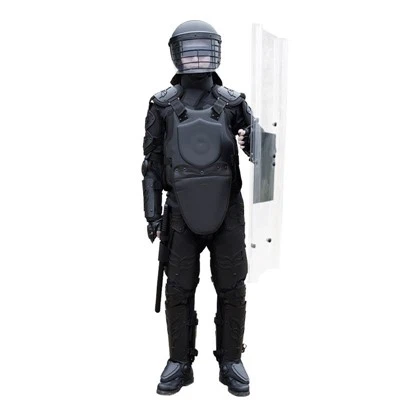
In the realm of law enforcement and public order maintenance, riot control suits are essential pieces of equipment designed to protect officers from various threats during riots and civil unrest. These suits are engineered to withstand impacts, cuts, and abrasions, providing a high level of safety for those in the line of duty. However, a question that often arises is whether a riot control suit can be effectively used in water - based situations. As a supplier of riot control suits, I will delve into this topic to provide a comprehensive analysis.
Design and Function of Riot Control Suits
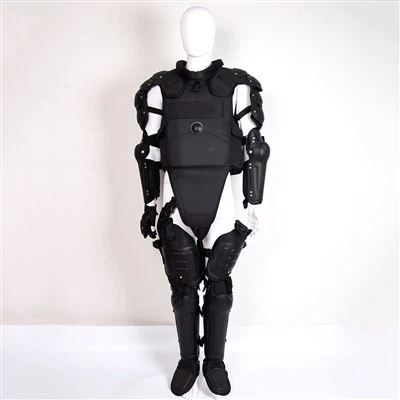
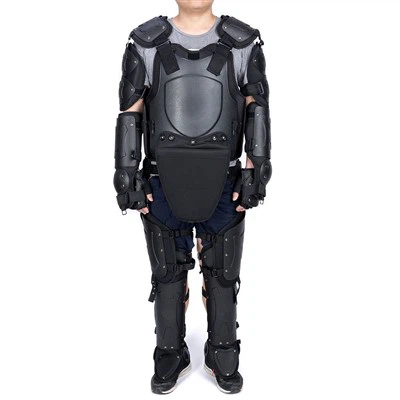
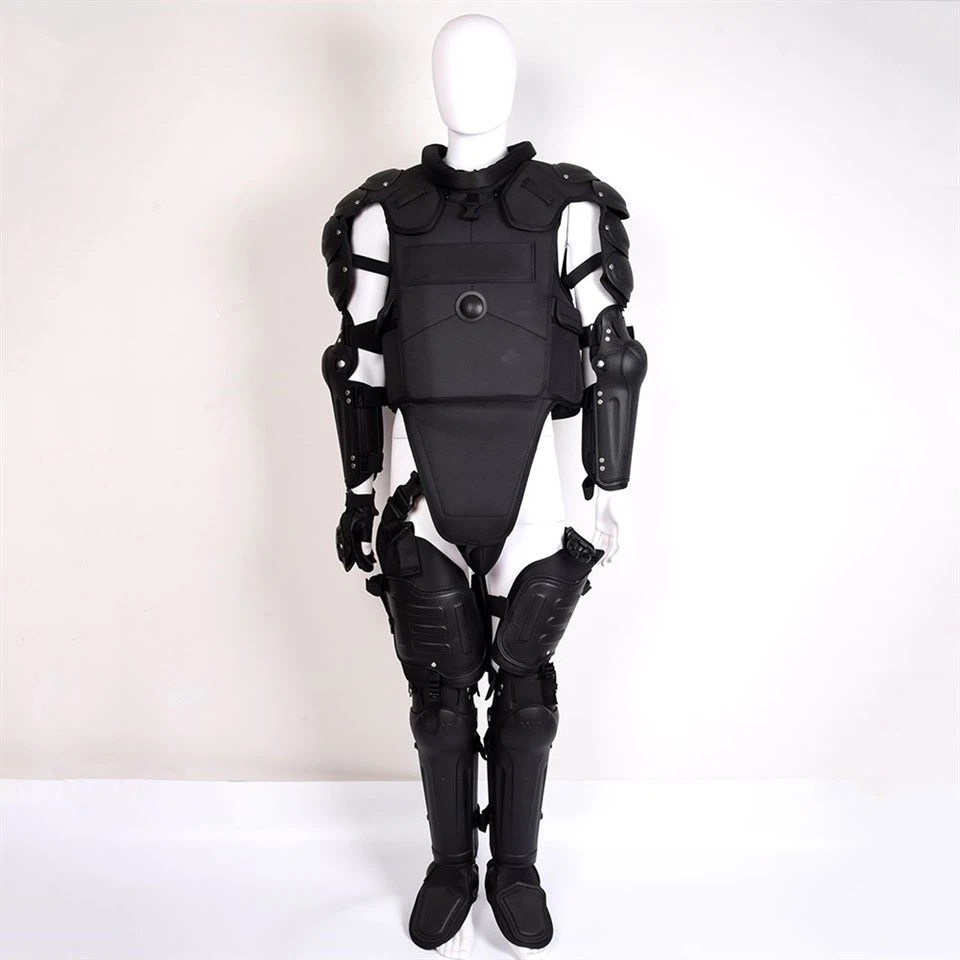
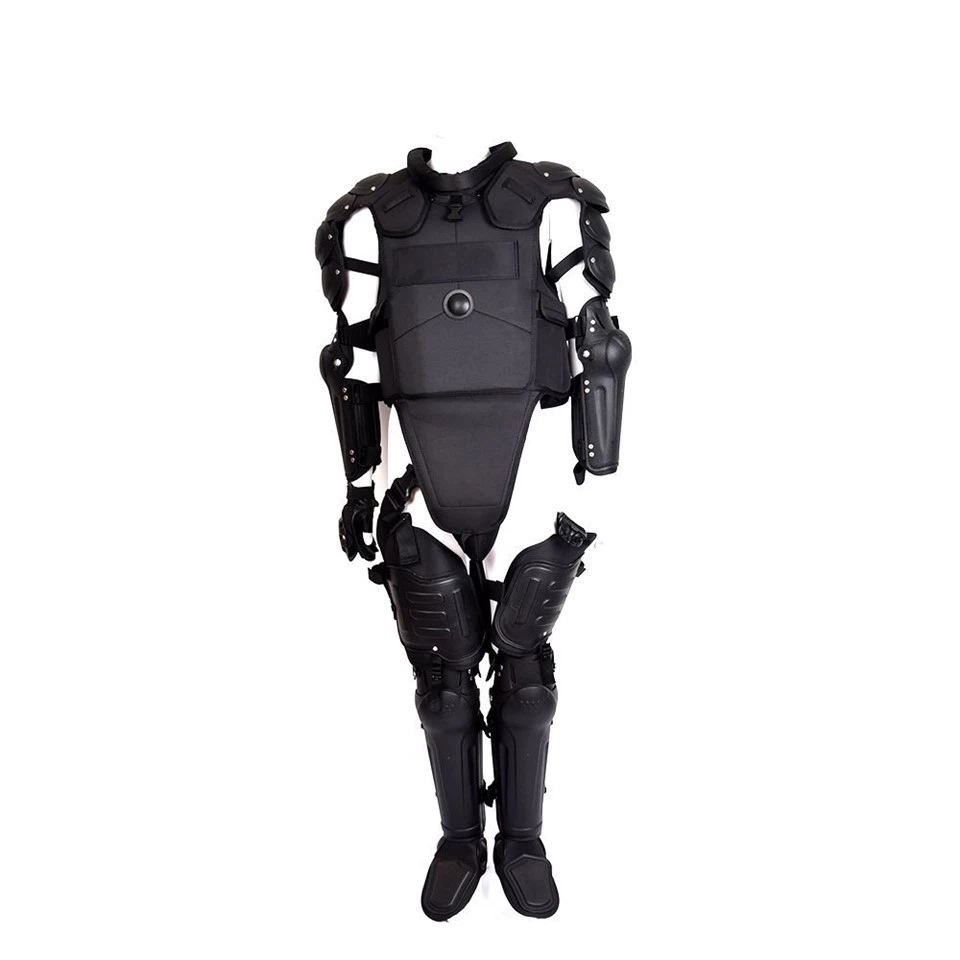
Riot control suits are typically made from a combination of materials that offer protection against blunt force trauma, sharp objects, and chemical agents. The outer layer is often made of tough, abrasion - resistant fabrics, while the inner layers may include padding and shock - absorbing materials. These suits are designed to cover the entire body, including the torso, arms, legs, and sometimes the head and neck, providing full - body protection.
The main functions of a riot control suit are to protect the wearer from physical attacks, such as punches, kicks, and thrown objects, as well as from chemical irritants like tear gas and pepper spray. They are also designed to be flexible and allow for a wide range of movement, enabling officers to perform their duties effectively.
Challenges in Water - Based Situations
When it comes to water - based situations, such as riots near bodies of water or during flood - related civil unrest, there are several challenges that a riot control suit may face.
Buoyancy
One of the primary concerns is buoyancy. Riot control suits are heavy due to the protective materials they contain. In water, this weight can cause the wearer to sink, making it difficult to move and potentially putting the officer at risk of drowning. The added weight of the suit can also make it challenging to swim or stay afloat, especially in rough or fast - flowing water.
Water Resistance
Another challenge is water resistance. While some riot control suits may have a certain degree of water - repellent properties, they are not typically designed to be fully waterproof. Water can seep into the suit, making it heavier and potentially causing discomfort for the wearer. Additionally, water - soaked padding may lose its shock - absorbing properties, reducing the suit's overall effectiveness in protecting against impacts.
Mobility
In water, the mobility of an officer wearing a riot control suit can be severely restricted. The suit's bulk and weight can make it difficult to move freely, affecting the officer's ability to perform tasks such as running, climbing, or maneuvering through water. This can be a significant disadvantage in a dynamic and potentially dangerous situation.
Adaptations for Water - Based Use
Despite these challenges, it is possible to adapt riot control suits for use in water - based situations.
Buoyancy Aids
One solution is to incorporate buoyancy aids into the design of the suit. This can include adding inflatable panels or foam inserts that provide additional buoyancy, helping the wearer to stay afloat. These aids can be designed to be easily adjustable, allowing officers to customize the level of buoyancy based on their needs.
Waterproofing
To address the issue of water resistance, riot control suits can be treated with waterproof coatings or made from waterproof materials. This can prevent water from seeping into the suit, keeping the wearer dry and maintaining the suit's protective properties. However, it is important to ensure that the waterproofing does not compromise the suit's breathability, as this can lead to overheating and discomfort.
Mobility Enhancements
To improve mobility in water, the design of the suit can be modified. This can include using more flexible materials and reducing the overall bulk of the suit. Additionally, the suit can be designed with features such as adjustable straps and zippers, allowing officers to adjust the fit of the suit for better movement in water.
Real - World Applications
There have been instances where riot control suits have been used in water - based situations. For example, during protests near rivers or coastal areas, officers may need to enter the water to disperse crowds or enforce law and order. In these situations, the adaptations mentioned above can make a significant difference in the effectiveness of the suit.
In some cases, law enforcement agencies may also use specialized water - based riot control equipment in conjunction with the suits. This can include water cannons, which can be used to disperse crowds from a distance, and boats, which can provide a stable platform for officers to operate from.
Conclusion
In conclusion, while riot control suits are not originally designed for water - based situations, with the right adaptations, they can be used effectively in such scenarios. By addressing the challenges of buoyancy, water resistance, and mobility, these suits can provide officers with the protection they need in water - related riots and civil unrest.
As a supplier of Police Anti Riot Equipment, we are committed to providing high - quality Anti Riot Suit and Police Riot Suit that can be adapted to various situations, including water - based scenarios. If you are interested in learning more about our products or have specific requirements for your law enforcement agency, please feel free to contact us for a detailed discussion. We look forward to working with you to ensure the safety and effectiveness of your officers in any situation.
References
- "Riot Control Equipment: A Comprehensive Guide", Law Enforcement Journal, 20XX
- "The Physics of Riot Control Suits", Journal of Applied Physics, 20XX
- "Adapting Protective Gear for Water - Based Situations", Public Safety Research, 20XX