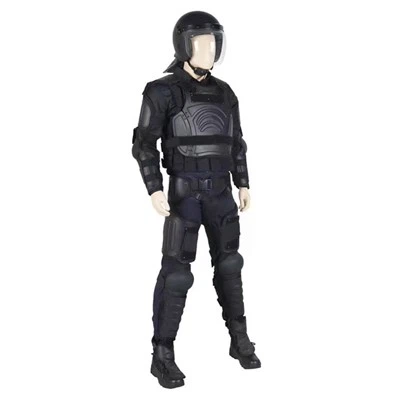
In the realm of personal protection, ballistic jackets and bulletproof vests are two terms that are often used interchangeably, yet they possess distinct characteristics that set them apart. As a supplier of high - quality ballistic jackets, I am well - versed in the nuances of these protective gear items, and I'm excited to share this knowledge with you.
Definition and Basic Function
Let's start with the fundamental definitions. A ballistic jacket is a type of protective garment that is designed to provide a certain level of resistance against ballistic threats, including bullets and shrapnel. It is typically more versatile in design and can be used in a wider range of scenarios. Ballistic jackets often come in various styles, from those that can be worn discreetly under regular clothing to more heavy - duty, overt designs for military or high - risk security operations.
On the other hand, a bulletproof vest is a more specific term. It is a piece of body armor primarily focused on protecting the torso from bullet impacts. Bulletproof vests are engineered to meet strict standards for stopping different calibers of bullets, and their main function is centered around bullet resistance rather than the broader range of protection that a ballistic jacket might offer.
Design and Construction
One of the most noticeable differences between a ballistic jacket and a bulletproof vest lies in their design. Ballistic jackets are crafted with an eye towards flexibility and adaptability. They may incorporate features such as adjustable straps, ventilation panels, and modular attachment points. This allows the wearer to customize the fit and add additional equipment as needed. For instance, a law enforcement officer might attach pouches for magazines or other essential items to their ballistic jacket.

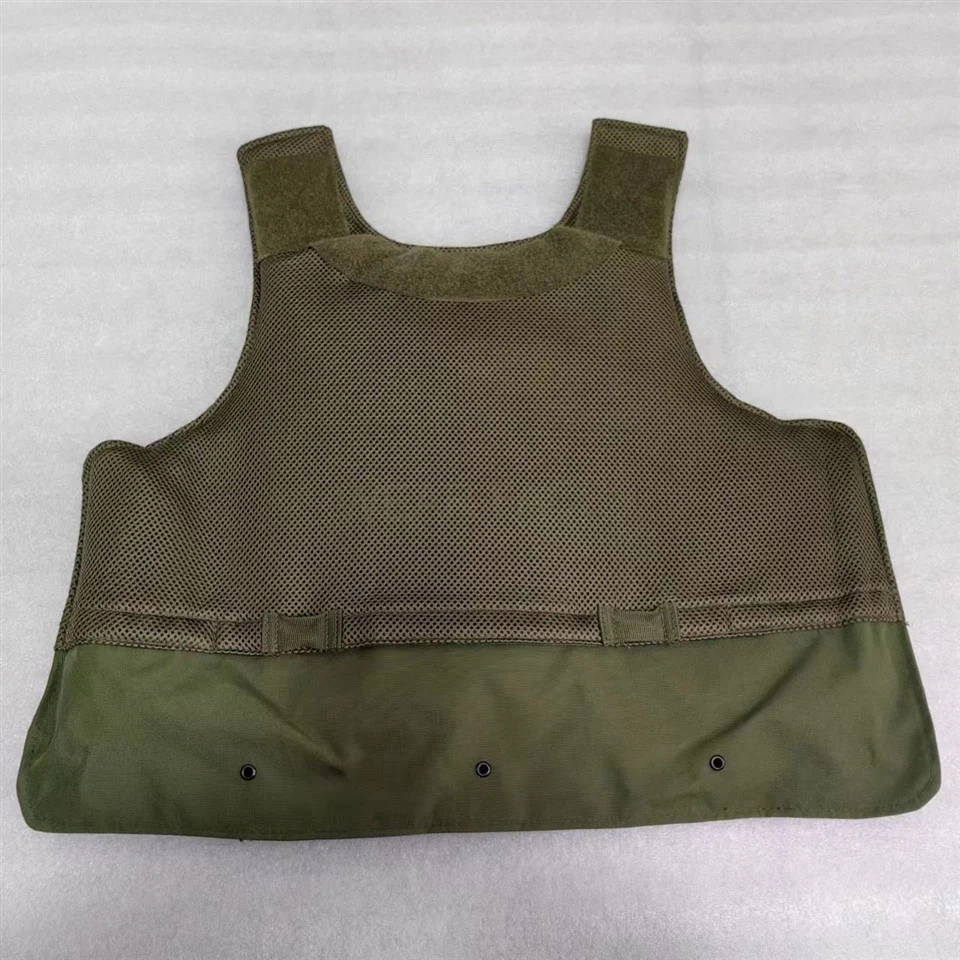
Bulletproof vests, in contrast, are more streamlined in design. Their main goal is to provide maximum protection to the vital organs in the torso. They are usually made up of multiple layers of high - strength materials, such as Kevlar or other aramid fibers, which are tightly packed to absorb and disperse the energy of a bullet impact. The construction of a bulletproof vest is often more rigid to maintain its structural integrity during a bullet strike.
Protection Levels
When it comes to protection levels, both ballistic jackets and bulletproof vests can be classified according to various standards. The National Institute of Justice (NIJ) in the United States has established a well - known set of standards for body armor. These standards define different levels of protection based on the ability of the armor to stop specific types of bullets.
Ballistic jackets can offer a wide range of protection levels. Some lightweight ballistic jackets are designed for low - level threats, such as protection against small - caliber handguns. These jackets are suitable for everyday use by individuals at a relatively low risk of firearm encounters, like security guards in a mall. Other ballistic jackets can be designed to meet higher NIJ levels, providing protection against more powerful firearms.
Bulletproof vests are usually categorized within a more specific range of protection levels. They are often engineered to meet the requirements of law enforcement and military personnel, so they are more likely to be at higher NIJ levels, like Level IIA, II, IIIA, and even higher for specialized military applications. For example, a Nij Iiia Bulletproof Vest is capable of stopping most common handgun bullets and some shotgun ammunition.
Comfort and Wearability
Comfort is a crucial factor when it comes to personal protective equipment. Ballistic jackets generally have an edge in terms of comfort and wearability. Their more flexible design allows for greater freedom of movement. The ventilation features in many ballistic jackets help to keep the wearer cool, especially during long - term use. They can be worn in a variety of settings, from urban environments to outdoor operations.
Bulletproof vests, due to their rigid construction and the need to provide high - level protection, can be less comfortable to wear for extended periods. The multiple layers of heavy materials can restrict movement and cause heat buildup. However, modern bulletproof vests are constantly being improved, and manufacturers are incorporating new technologies to enhance comfort, such as using lighter materials like Uhmwpe Bulletproof Vest made from ultra - high - molecular - weight polyethylene.
Concealability
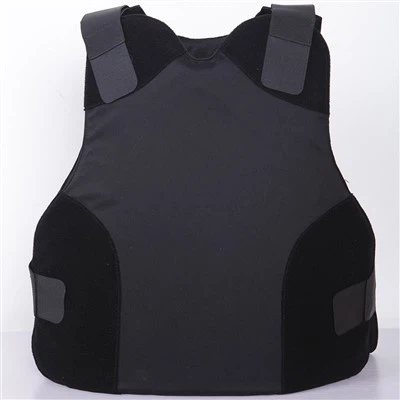
Concealability is another aspect where these two types of protective gear differ. Ballistic jackets are often designed to be more concealable. Concealed Body Armor Vest options are available as part of the ballistic jacket category. These can be worn under regular clothing without being easily noticeable, making them suitable for individuals who need to maintain a low - profile while still having the protection of body armor.
Bulletproof vests, particularly those with higher protection levels, are more difficult to conceal. Their bulkier design makes them more suitable for overt use, where the presence of body armor is not a concern, such as in military or some high - profile security operations. However, there are also some bulletproof vests that are designed to be more concealable, but they usually sacrifice some level of protection or feature to achieve this.
Usage Scenarios
The usage scenarios for ballistic jackets and bulletproof vests are also distinct. Ballistic jackets are highly versatile and can be used in a multitude of situations. They are popular among security guards, private investigators, and even civilians who want some level of protection in potentially dangerous areas. Their flexibility and customizable design make them suitable for both on - the - move and stationary work.
Bulletproof vests, on the other hand, are more commonly used in high - risk situations. Law enforcement officers, military personnel, and security details for high - profile individuals are the primary users of bulletproof vests. In a gunfight or a riot situation, a bulletproof vest can provide the necessary protection to keep the wearer alive.
Material Selection
The materials used in ballistic jackets and bulletproof vests are closely related to their design and protection levels. Ballistic jackets can be made from a variety of materials, including aramid fibers like Kevlar. Aramid Bulletproof Vest technology is also applicable in some ballistic jackets. These fibers are known for their high strength and ability to absorb impact energy. Additionally, some ballistic jackets may incorporate other materials for added functionality, such as water - resistant or fire - resistant fabrics.
Bulletproof vests typically rely on high - performance materials to meet strict protection standards. In addition to aramid fibers, ultra - high - molecular - weight polyethylene (UHMWPE) is increasingly being used due to its lightweight and high - strength properties. The choice of material in a bulletproof vest is often dictated by the desired protection level and the intended use of the vest.
Cost Considerations
Cost is an important factor for many buyers. Ballistic jackets, especially those with lower protection levels or more basic designs, can be relatively more affordable. This makes them a popular choice for individuals or organizations on a budget. As the protection level and functionality of the ballistic jacket increase, the cost will also rise.
Bulletproof vests, especially those that meet high - level NIJ standards, tend to be more expensive. The cost is justified by the advanced materials and manufacturing processes required to achieve the necessary protection. However, the investment in a high - quality bulletproof vest can potentially save lives in high - risk situations.
Our Offerings as a Ballistic Jacket Supplier
As a supplier of ballistic jackets, we understand the diverse needs of our customers. Our range of ballistic jackets comes in various protection levels, styles, and colors. Whether you are a security professional looking for a rugged and functional jacket or a civilian seeking a concealable option for personal protection, we have the right product for you.
We use the latest technologies and high - quality materials in our manufacturing process to ensure that our ballistic jackets provide optimal protection and comfort. Our products are also designed to be durable, withstanding the rigors of daily use.
If you are interested in learning more about our ballistic jackets or other protective gear, we encourage you to get in touch with us. We can provide detailed product information, pricing, and help you select the right item based on your specific needs. Whether you are an individual buyer or a large organization looking for bulk purchases, we are ready to embark on a productive procurement discussion with you.
References
- National Institute of Justice (NIJ). Ballistic Resistance of Body Armor.
- Various research papers on body armor materials and design published in academic journals such as the Journal of Applied Polymer Science.