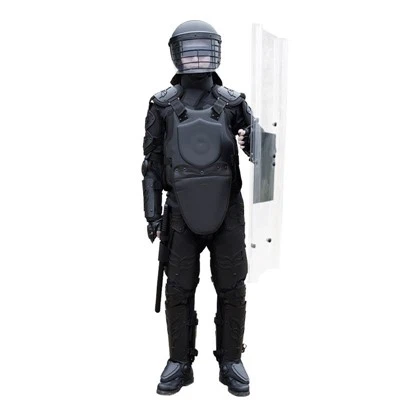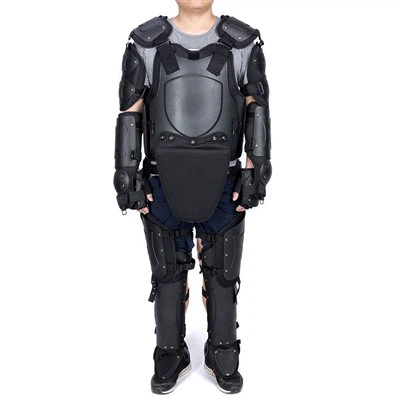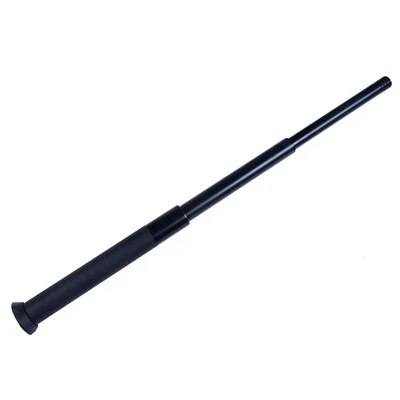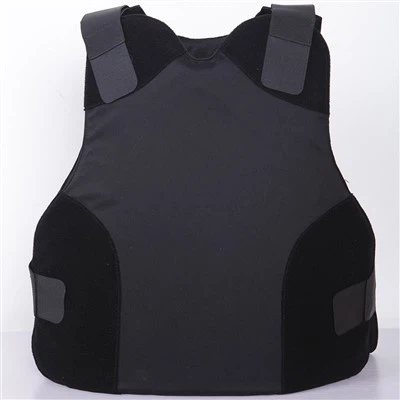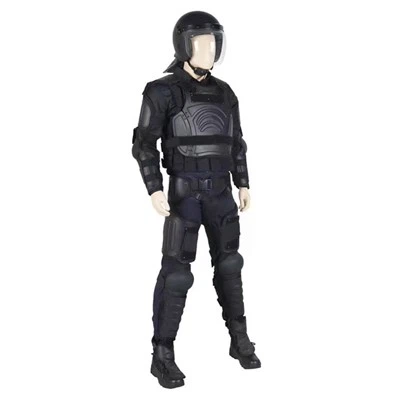
In the volatile and often dangerous scenarios of riot control, law enforcement officers face a multitude of threats, one of the most insidious being gas attacks. Riot control suits play a pivotal role in safeguarding these officers from the harmful effects of various gases used in riot situations. As a leading Riot Control Suit supplier, we understand the critical importance of these protective garments and the science behind their ability to shield against gas attacks.
Understanding Gas Threats in Riot Situations
Riot control agents, often referred to as "tear gases," are chemical compounds designed to cause irritation to the eyes, skin, and respiratory system. The most commonly used agents include CS (chlorobenzylidene malononitrile), CN (chloroacetophenone), and OC (oleoresin capsicum). These substances are typically dispersed in the form of aerosols, smoke, or sprays to disperse crowds and gain control of a riotous situation.
When exposed to these gases, individuals experience immediate and intense discomfort. Symptoms include burning eyes, excessive tearing, coughing, difficulty breathing, and skin irritation. Prolonged or high - level exposure can lead to more severe health issues, such as respiratory distress, chemical burns, and even long - term damage to the eyes and lungs.
How Riot Control Suits Protect Against Gas Attacks
Material Selection
The materials used in the construction of riot control suits are carefully chosen to provide a high level of protection against gases. These suits are often made from specialized fabrics that are impermeable or highly resistant to chemical penetration. For example, some suits use a combination of synthetic materials like nylon and polyester, which have inherent resistance to many chemicals. Additionally, these fabrics may be treated with special coatings that further enhance their gas - blocking properties.
The Riot Control Suit we supply is crafted from a state - of - the - art material that has been rigorously tested for its ability to withstand gas exposure. The fabric acts as a physical barrier, preventing the gas molecules from coming into direct contact with the officer's skin.
Sealing and Closures
A key aspect of a riot control suit's protection against gas attacks is its sealing and closures. The suit must be designed to fit snugly around the body, leaving no gaps through which gas can enter. Zippers, Velcro, and other closures are used strategically to ensure a tight seal.
Our Riot Suit features a double - layer zipper system that not only provides a secure closure but also helps to prevent gas from seeping through the zipper teeth. The cuffs and ankles are also equipped with elastic bands that can be adjusted to fit tightly around the wrists and feet, further minimizing the potential for gas infiltration.
Integrated Respiratory Protection
In many cases, riot control suits are designed to be used in conjunction with respiratory protection devices. However, some advanced suits may have integrated respiratory protection features. These can include a built - in air filtration system or a connection point for an external breathing apparatus.
Our Police Anti Riot Equipment line includes suits with options for integrated respiratory protection. This ensures that officers are protected not only from gas contact on their skin but also from inhaling harmful gas particles.
Hood and Face Protection
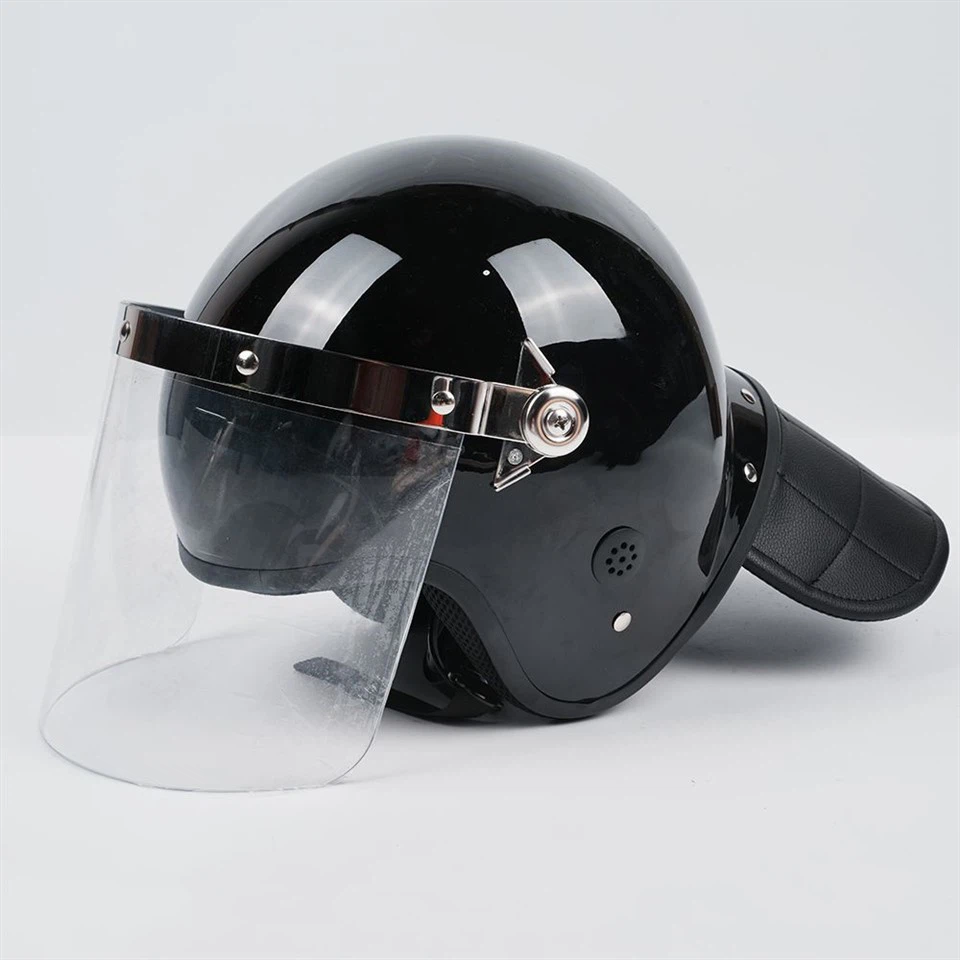
The head and face are particularly vulnerable areas during a gas attack. Riot control suits typically come with a hood that covers the head and neck, providing an additional layer of protection. The hood is often made from the same gas - resistant material as the rest of the suit and may have a clear visor for visibility.
Our Riot Jacket is designed with a detachable hood that offers excellent protection for the head and face. The visor is made from a shatter - resistant material that not only protects against gas but also from projectiles and other physical threats.
Testing and Certification
To ensure the effectiveness of riot control suits in protecting against gas attacks, they undergo rigorous testing and certification processes. These tests evaluate the suit's ability to withstand exposure to different types of gases, the integrity of its sealing and closures, and the performance of its respiratory protection features.
Our suits meet or exceed international standards for riot control equipment. They are regularly tested in independent laboratories to ensure that they provide the highest level of protection against gas attacks. The Anti Riot Armor we offer is a prime example of our commitment to quality and safety.
Maintenance and Care
Proper maintenance and care of riot control suits are essential to ensure their continued effectiveness in protecting against gas attacks. After each use, the suit should be thoroughly cleaned to remove any traces of gas or other contaminants. This may involve washing the suit with a mild detergent and water, followed by air - drying.
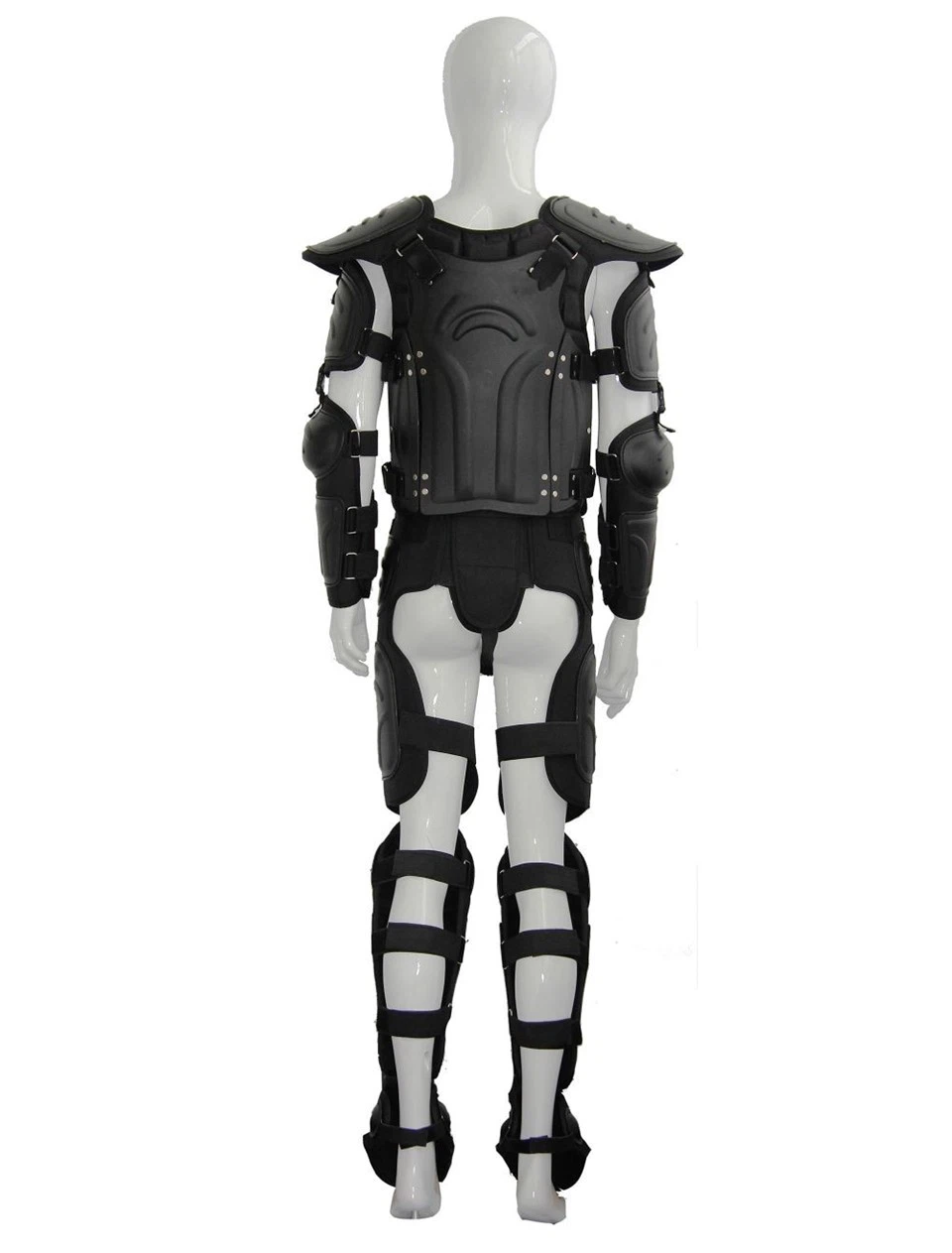
It is also important to regularly inspect the suit for any signs of damage, such as tears, holes, or worn - out closures. Any damaged parts should be repaired or replaced immediately to maintain the suit's integrity.
Conclusion
Riot control suits are an essential piece of equipment for law enforcement officers facing gas attacks in riot situations. Through careful material selection, proper sealing and closures, integrated respiratory protection, and comprehensive testing, these suits provide a high level of protection against the harmful effects of riot control agents.
As a trusted Riot Control Suit supplier, we are dedicated to providing the highest quality products that meet the needs of law enforcement agencies. Our suits are designed to offer maximum protection, comfort, and durability in the most challenging environments.
If you are interested in learning more about our riot control suits or would like to discuss your procurement needs, we encourage you to reach out to us. We are ready to provide you with detailed information and support to help you make the right choice for your organization.
References
- "Handbook of Chemical and Biological Warfare Agents." Edited by Frederick R. Sidell, Ernest T. Takafuji, and David R. Franz.
- "Riot Control Agents: Toxicology, Pharmacology, and Clinical Management." By Michael S. Reddy and others.