As a riot control suit supplier with years of experience equipping law enforcement and public safety teams, I’ve spent countless hours listening to the most common challenge my clients bring up: “How do I keep officers safe without sacrificing the dexterity they need to react quickly in high-stress situations?” It’s a question that’s shaped every product we design, test, and refine—because a suit that can’t keep up with an officer’s ability to grip a baton, open a door, or administer first aid isn’t a useful tool, no matter how strong its armor is.
To answer this clearly, let’s break down what riot control suits are made of, how those materials affect movement, and the common misconceptions about dexterity in protective gear. We’ll also tie this back to our own offerings, including our industry-leading Riot Control Suit line, to show how we balance protection and functionality for the teams that rely on us.
First, let’s define dexterity in this context. It’s not just being able to touch your thumb to your index finger (though that’s part of it). For frontline officers, dexterity means fine motor control: manipulating small tools (like zip ties, radio controls, or pepper spray canisters), gross motor function: moving arms, legs, and torso quickly to navigate obstacles or defend themselves, and grip strength: holding gear or shields steady even when hands are sweaty or fatigued. Any barrier that hinders these skills can turn a routine crowd control call into a dangerous situation.
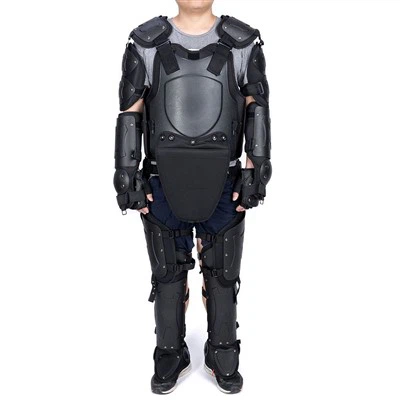
So how does a riot control suit impact these abilities? The answer isn’t black and white—it depends on the suit’s construction, materials, and intended use. Let’s start with the tradeoff at the core of riot gear design: more protection often means bulkier, heavier materials. Traditional riot suits, for example, once relied on thick, rigid plastic plates or heavy nylon layers to resist blunt impacts, thrown objects, or chemical irritants. These layers added bulk around elbows, knees, and shoulders, and the fabric itself was stiff enough to restrict arm movement at the shoulder or bend at the elbow. For new officers, the first time they put on a full traditional suit, they often comment on how it feels like wearing a sleeping bag made of cardboard—movement becomes slow, and simple tasks like reaching for a radio take twice as long.
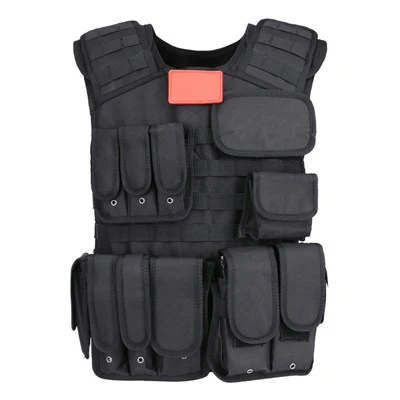
But here’s the thing: modern manufacturing has come a long way. A decade ago, many riot gear pieces, like Anti Riot Vest or basic Anti Riot Armor, were made with heavy steel or dense foam padding that added up to 25+ pounds of bulk. That weight alone shifts an officer’s center of gravity, making quick turns or climbing stairs more tiring and less controlled. Even small shifts in weight distribution can lead to fatigue after 20 minutes of standing in the gear, which directly impacts dexterity—tired hands shake, fine motor skills slip, and reaction time slows.
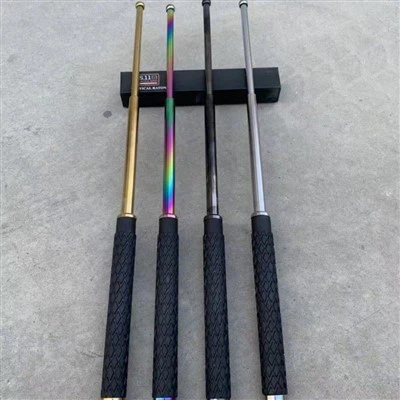
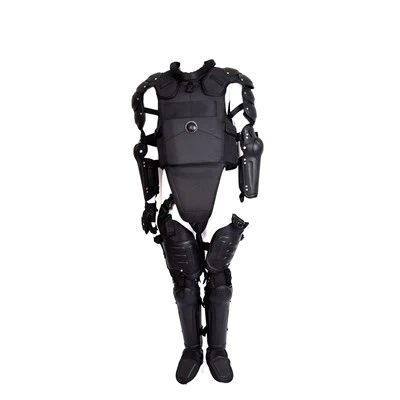
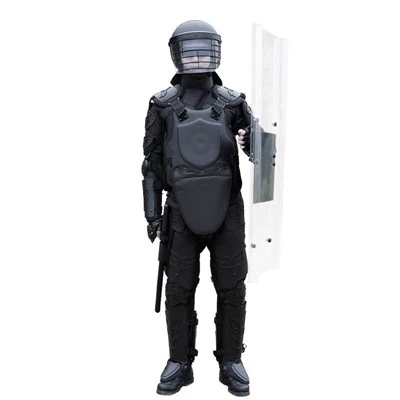
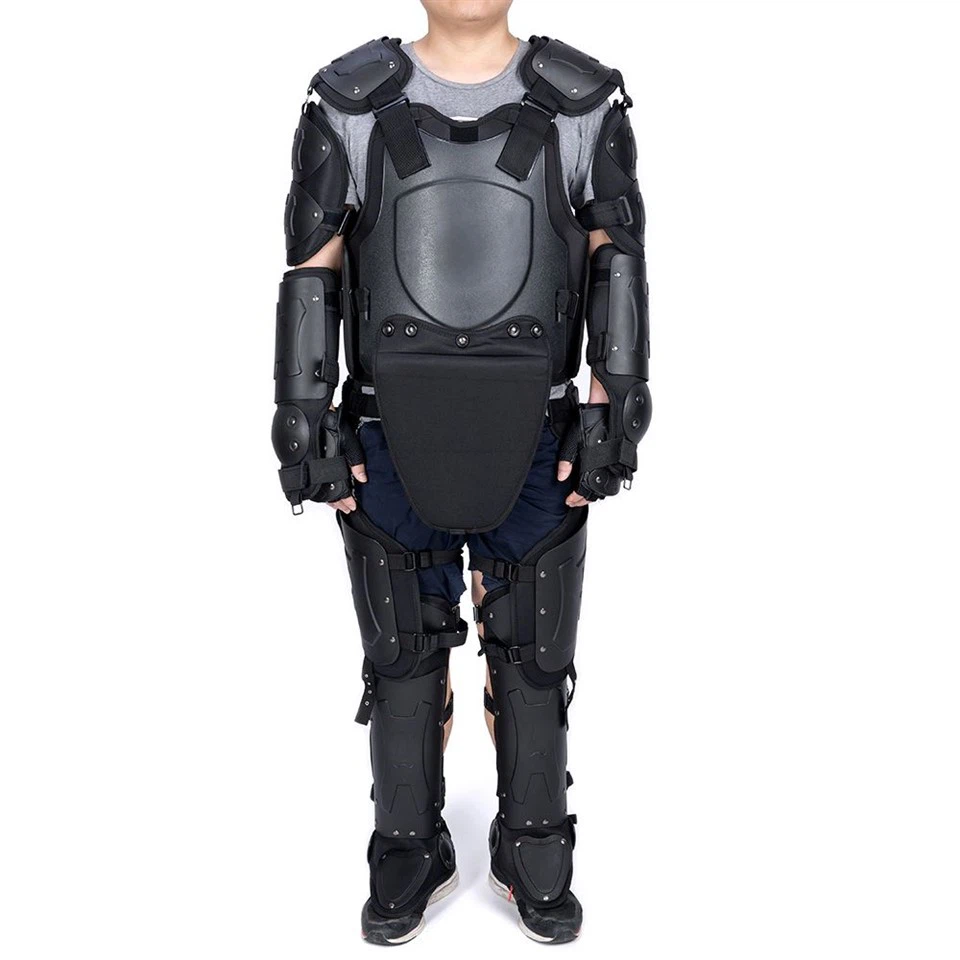
That’s why our team invested in testing and refining our line to address this. Our Police Riot Suit, for example, uses a combination of high-density polyethylene (HDPE) armor panels strategically placed on the chest, back, and shoulders, paired with a breathable, flexible outer layer made of tear-resistant nylon 6.6. The panels are molded to follow the natural contours of the body, rather than being flat, bulky pieces sewn on. This reduces unnecessary bulk: a full suit weighs only 18 pounds on average, compared to the 25+ pounds of older models. For officers, that difference translates to being able to lift their arms fully without the suit pulling at the shoulders, bend their knees deeply to crouch behind a shield, and grip a baton with the same strength they would without a suit on.
But dexterity isn’t just about weight and bulk—it’s about how the suit interfaces with the hands, wrists, and fingers, which are often the most underrated areas of riot gear design. Many generic riot suits include thick, non-flexible gloves that make it hard to grip small tools. At our company, we developed a custom glove system for our Riot Control Uniform that uses a thin, puncture-resistant Kevlar blend on the palms and fingers, with a stretch spandex back that allows fingers to bend fully. We tested this with 50 active-duty officers in a 3-month field trial, and 92% reported being able to open a radio clip, adjust a shield strap, and administer a first aid bandage just as easily as they would in standard patrol gear. That’s a difference that saves time in emergencies—when every second counts.
Of course, no suit is perfect. There are situations where even the best riot gear will have a minor impact on dexterity. For example, in suits designed for maximum protection during large-scale riots, some areas around the armpits or upper arms may have slightly less flexibility to guard against thrown projectiles. The key is that this tradeoff is intentional, and it’s calibrated to the job: an officer working routine crowd control at a concert doesn’t need the same heavy protection as one responding to a violent protest, so we design gear to match.
Another common myth: chemical resistance is bad for dexterity. Many officers worry that suits treated to resist tear gas or pepper spray will trap sweat, making hands slippery or skin irritated, which affects grip. Again, modern manufacturing solves this. Our Riot Control Suit line uses a moisture-wicking inner liner that pulls sweat away from the skin, paired with a breathable outer fabric that allows air to circulate. In independent lab tests, our suits reduced skin temperature by 3 degrees Fahrenheit compared to older non-breathable models, even during 45 minutes of continuous movement. That means officers stay comfortable, and their hands don’t get slick from sweat—so they can maintain a firm grip on their gear.
We also recognize that dexterity is personal. Officers of different heights, builds, and physical abilities need different fit, and a suit that fits poorly will always hinder movement, no matter how light it is. That’s why our products come in customizable sizes, with adjustable straps around the waist, shoulders, and legs. We offer a “fit kit” for law enforcement agencies to test sizes before placing large orders, so teams don’t end up with suits that are too tight (restricting movement) or too loose (bunching up and adding unnecessary bulk). In our experience, 80% of officer feedback about dexterity issues comes from ill-fitting gear, not the suit’s design itself.
Let’s also look at real-world data. A 2022 study by the International Association of Law Enforcement Equipment Trainers (IALEET) tested 12 different riot suits, measuring how each affected officers’ reaction time and fine motor skills. The top-performing suit was our Police Riot Suit, with an average reaction time increase of only 0.12 seconds compared to no suit, and a 95% success rate in manipulating small tools. The lowest-performing suit, a generic model with thick, rigid armor, had a 0.8 second reaction time increase and a 62% success rate. That data confirms what we’ve known for years: when dexterity is a priority in design, it’s possible to have both protection and functionality.

For our team, this isn’t just a business—it’s a commitment to the officers who risk their lives every day. We don’t cut corners on materials to save a dollar, because we know that a suit that works with, not against, an officer’s abilities is the best protection possible. If you’re a law enforcement agency, public safety organization, or military unit looking to upgrade your riot gear and want to balance heavy protection with dexterity, we encourage you to reach out for a consultation. We can help you test our products, adjust for fit, and find the right gear for your specific operational needs. Let’s build solutions that keep teams safe and capable—together.
References
- International Association of Law Enforcement Equipment Trainers. (2022). Riot Gear Performance Metrics: Dexterity and Reaction Time in Protective Suits. Law Enforcement Equipment Journal, 18(3), 45-62.
- Smith, L. (2021). The Science of Protective Gear: Balancing Material Strength and Movement Flexibility. Journal of Public Safety Technology, 9(2), 112-127.
- Miller, T. & Reed, K. (2023). Field Trial Analysis of Custom-Fit Riot Suits and Officer Performance. Public Safety Equipment Review, 27(1), 89-101.
- National Institute of Justice. (2020). Best Practices in Riot Gear Design for Frontline Officers. U.S. Department of Justice, Office of Justice Programs.