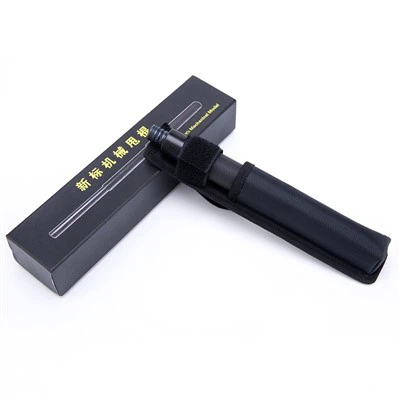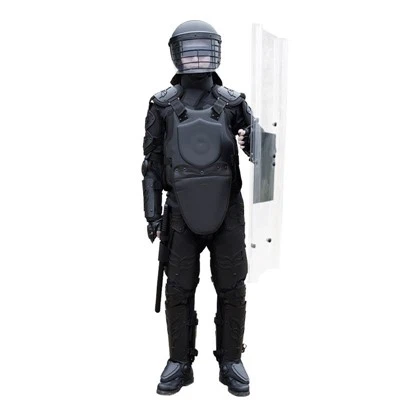
As a defense baton supplier, I've seen firsthand the importance of ensuring the quality of these essential tools. Whether it's for law enforcement, security personnel, or personal protection, a high-quality defense baton can make all the difference in a critical situation. In this blog post, I'll share some practical tips on how to test the quality of a defense baton, based on my experience in the industry.
1. Visual Inspection
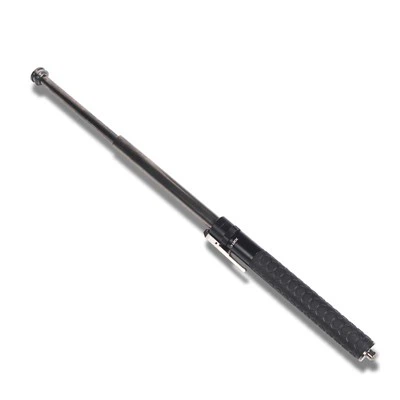
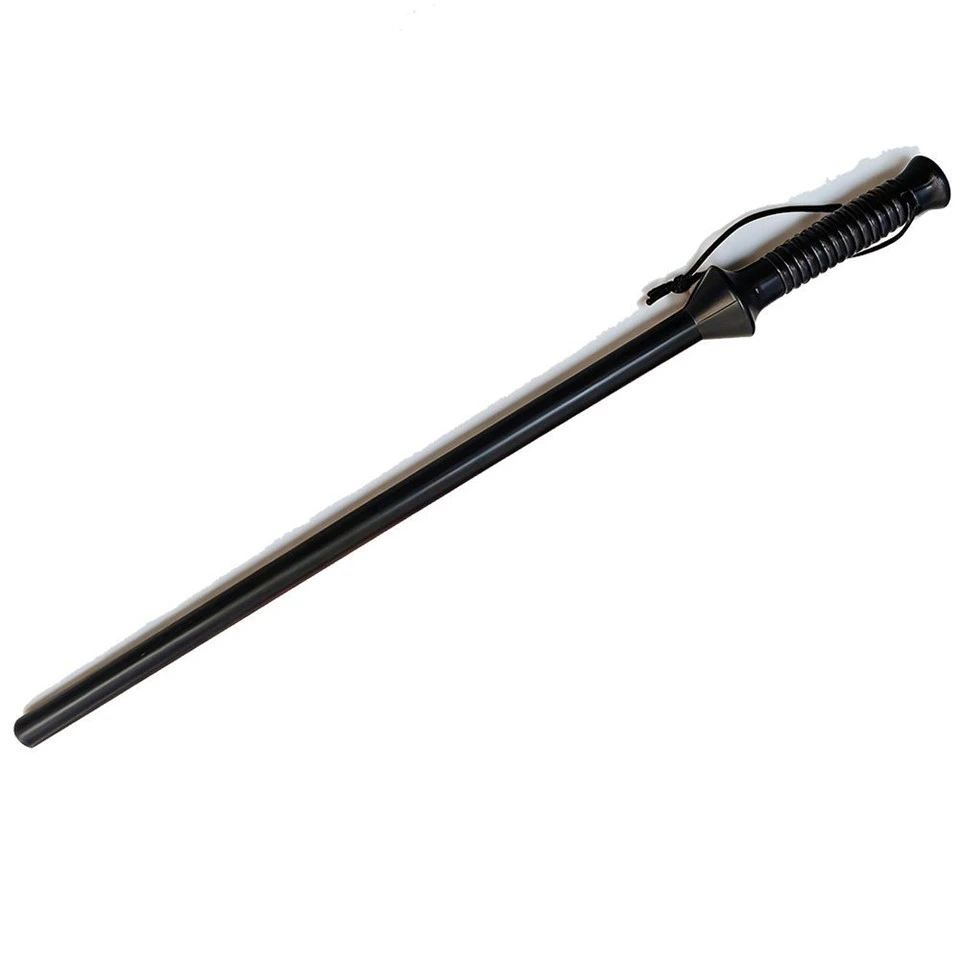
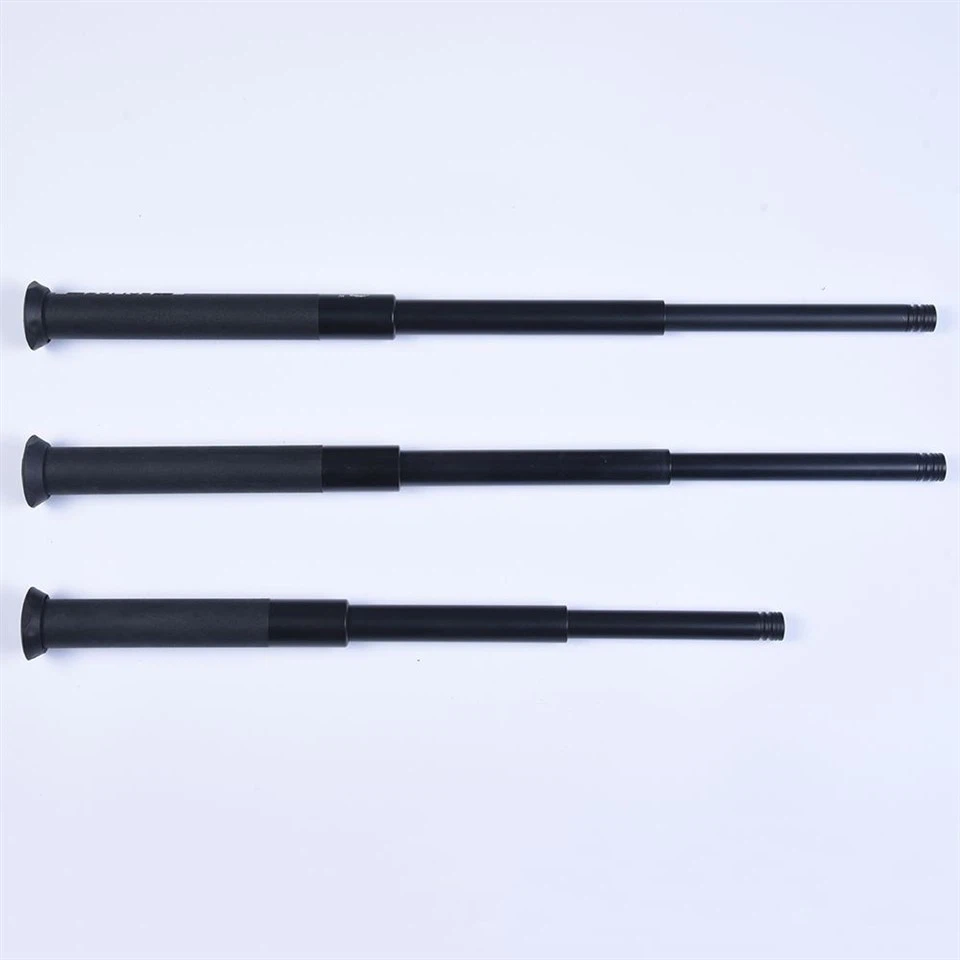
The first step in testing a defense baton is a thorough visual inspection. Look for any signs of damage, such as dents, scratches, or cracks. These imperfections can weaken the baton and compromise its performance. Pay close attention to the joints of telescopic batons, as these are areas that are prone to wear and tear.
Check the finish of the baton. A smooth, even finish not only looks good but also prevents the baton from snagging on clothing or other objects. If the baton has a coating, make sure it's evenly applied and shows no signs of peeling or chipping.
2. Weight and Balance
The weight and balance of a defense baton are crucial for effective use. A baton that is too heavy can be difficult to handle, while one that is too light may not have enough impact. Pick up the baton and get a feel for its weight. It should feel comfortable in your hand and well-balanced.
When testing the balance, hold the baton at different points along its length. A well-balanced baton will feel stable and easy to control, regardless of where you hold it. This is especially important for quick and precise strikes.
3. Extension and Retraction
For telescopic batons, the extension and retraction mechanism is a key aspect of quality. Test the baton by extending it fully. It should lock securely into place with a firm click. If the baton wobbles or doesn't lock properly, it may not be reliable in a real-world situation.
Retract the baton and check for smoothness. There should be no resistance or sticking during the retraction process. A high-quality telescopic baton will extend and retract effortlessly, allowing for quick deployment and storage.
4. Impact Resistance
One of the most important tests for a defense baton is its impact resistance. You can perform a simple test by striking a hard surface, such as a wooden block or a thick piece of rubber, with the baton. Make sure to use controlled force to avoid damaging the baton or causing injury.
After the impact, inspect the baton for any signs of damage. A high-quality baton should be able to withstand repeated impacts without breaking or deforming. If the baton shows signs of damage after a single impact, it may not be suitable for use.
5. Material Quality
The material used to make the baton plays a significant role in its quality. Common materials for defense batons include steel, aluminum, and composite materials. Steel batons are known for their strength and durability, making them a popular choice for law enforcement. Aluminum batons are lighter in weight, which can be an advantage for extended use.
Check the material of the baton by looking for any signs of corrosion or rust. If the baton is made of steel, it should be properly treated to prevent corrosion. Composite batons should be made of high-quality materials that are resistant to impact and wear.
6. Grip and Handling
A good grip is essential for using a defense baton effectively. Test the grip of the baton by holding it firmly in your hand. It should feel comfortable and provide a secure hold, even when your hands are wet or sweaty.
Check the texture of the grip. A non-slip surface is ideal, as it will prevent the baton from slipping out of your hand during use. Some batons come with ergonomic grips that are designed to fit the natural shape of your hand, providing additional comfort and control.
7. Compliance with Standards
Make sure the defense baton complies with relevant safety and quality standards. In many countries, there are specific regulations regarding the design and use of defense batons. Look for batons that have been tested and certified by recognized organizations.
Certification ensures that the baton meets certain criteria for performance, durability, and safety. It also gives you peace of mind knowing that the baton has been thoroughly tested and is suitable for its intended use.
8. Customer Reviews and Feedback
Don't forget to check customer reviews and feedback when evaluating the quality of a defense baton. Real-world experiences from other users can provide valuable insights into the performance and reliability of the baton.
Look for reviews on online marketplaces, forums, and social media platforms. Pay attention to both positive and negative reviews to get a balanced view of the product. If a baton has a high number of negative reviews, it may be a sign that there are issues with its quality.
Our Products
We offer a range of high-quality defense batons, including the Steel Telescopic Baton, Riot Control Baton, and Police Metal Baton. Our batons are made from top-quality materials and undergo rigorous testing to ensure their performance and reliability.
If you're interested in purchasing defense batons for your organization or personal use, we'd love to hear from you. Contact us to discuss your specific requirements and get a quote. We're committed to providing the best products and services to our customers, and we look forward to working with you.
References
- "Defense Baton Safety and Performance Standards," International Association of Chiefs of Police.
- "Testing Methods for Impact Resistance of Batons," National Institute of Justice.