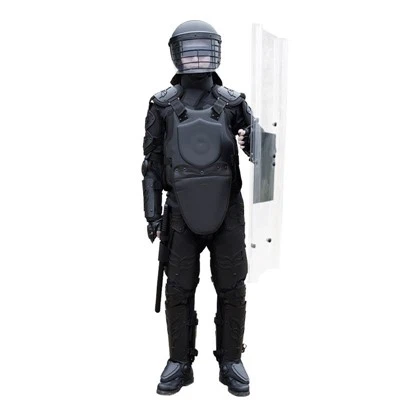
How does a body armor vest work?
In the realm of personal protection, body armor vests stand as a crucial line of defense for countless individuals, including law enforcement officers, military personnel, and security professionals. As a leading supplier of high - quality body armor vests, I am often asked about the intricate workings of these life - saving garments. In this blog, I will delve into the science and technology behind body armor vests, exploring how they function to safeguard lives.
The Basics of Body Armor
At its core, a body armor vest is designed to absorb and dissipate the energy of a bullet or other ballistic projectiles. This is achieved through a combination of materials and engineering techniques that work in harmony. There are two main types of body armor: soft armor and hard armor.
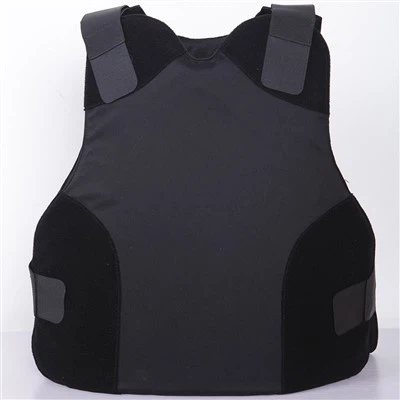
Soft armor vests are typically made from layers of high - strength synthetic fibers, such as Kevlar or Spectra. These fibers are woven together in a tight pattern to create a flexible yet durable material. Soft armor is effective against lower - velocity projectiles, such as handguns. The Concealed Body Armor Vest is a prime example of soft armor. It is designed to be worn discreetly under clothing, providing protection without sacrificing mobility or comfort.
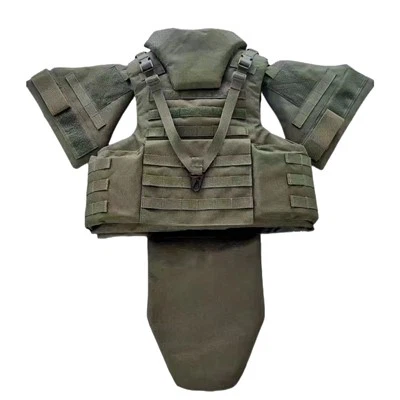
Hard armor, on the other hand, is made from rigid materials like ceramic plates or steel. These materials are extremely effective against high - velocity rifle rounds. Hard armor is often used in conjunction with soft armor to provide enhanced protection. Our Tactical Vest is a great representation of a vest that can incorporate both soft and hard armor components. It is designed for military and law enforcement use, offering maximum protection in high - risk situations.
The Science of Energy Absorption
When a bullet strikes a body armor vest, the first step in the protection process is energy absorption. The fibers in soft armor vests work by stretching and deforming upon impact. As the bullet tries to penetrate the vest, it encounters the tightly woven fibers. These fibers start to stretch, which results in the transfer of the bullet's kinetic energy to the fibers themselves.
Imagine a bullet hitting the surface of a soft armor vest. The contact area between the bullet and the fibers is relatively small at first. As the bullet tries to push through, the fibers begin to pull and stretch. This stretching action spreads the force of the impact over a larger area of the vest. The more the fibers can stretch and deform, the more energy they can absorb from the bullet.
With hard armor, the principle is slightly different. When a bullet hits a ceramic plate, for example, the high - strength ceramic material shatters on impact. This shattering absorbs a significant amount of the bullet's energy. The shattered ceramic fragments then act to disrupt the bullet's shape and slow it down. The bullet loses its ability to penetrate further, and the remaining energy is transferred to a backing material, usually a layer of soft armor or a composite material, which further dissipates the energy.
Layered Protection
Most body armor vests are designed with multiple layers to enhance their protective capabilities. These layers work together to provide a comprehensive defense against ballistic threats.
The outer layer of a body armor vest is often made from a durable fabric that protects the inner layers from wear and tear, as well as from environmental factors such as moisture and sunlight. This outer fabric also helps to spread the initial impact of the bullet over a larger area, reducing the stress on the inner layers.
The middle layers are where the main protective work happens. In soft armor, these are the layers of high - strength fibers. In hard armor, it could be the ceramic plates or other ballistic protection materials. Our Ballistic Protection Panels are carefully engineered middle - layer components that offer superior protection.
The inner layer of the body armor vest is usually designed to provide comfort and to protect the wearer's skin. It may be made from a soft, breathable fabric that wicks away moisture and prevents chafing.
NIJ Ratings and Their Significance
The National Institute of Justice (NIJ) in the United States has established a set of standards for body armor vests. These standards are known as NIJ ratings and they classify body armor based on its ability to stop different types of projectiles.
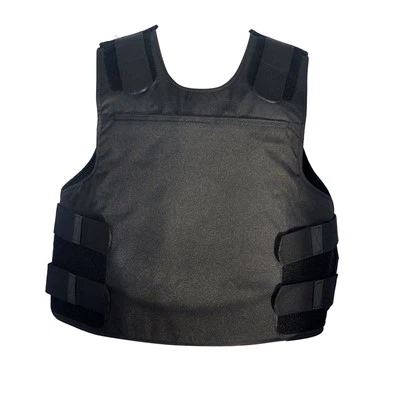
For example, a Nij Iiia Ballistic Vest is rated to stop most handgun rounds. It is one of the most commonly used ratings for law enforcement and civilian protection. The NIJ ratings are important because they provide a clear and objective way to compare the protective capabilities of different body armor vests. When choosing a body armor vest, it is essential to select one with a rating that meets your specific needs.
Quick Release Systems
In high - pressure situations, every second counts. That's why many body armor vests, like our Quick Release Tactical Vest, are equipped with quick release systems. These systems allow the wearer to remove the vest rapidly in case of an emergency, such as being caught in a fire or needing to access medical treatment.
A quick release system typically consists of a series of buckles or straps that can be easily undone with one hand. This feature not only enhances the safety of the wearer but also provides added convenience in certain situations.
Quality Control and Manufacturing
As a body armor vest supplier, we take quality control very seriously. Every body armor vest that we produce goes through a rigorous testing process to ensure that it meets the highest standards of quality and performance. The raw materials are carefully selected for their strength and durability. The manufacturing process is closely monitored to ensure that each vest is constructed with precision.

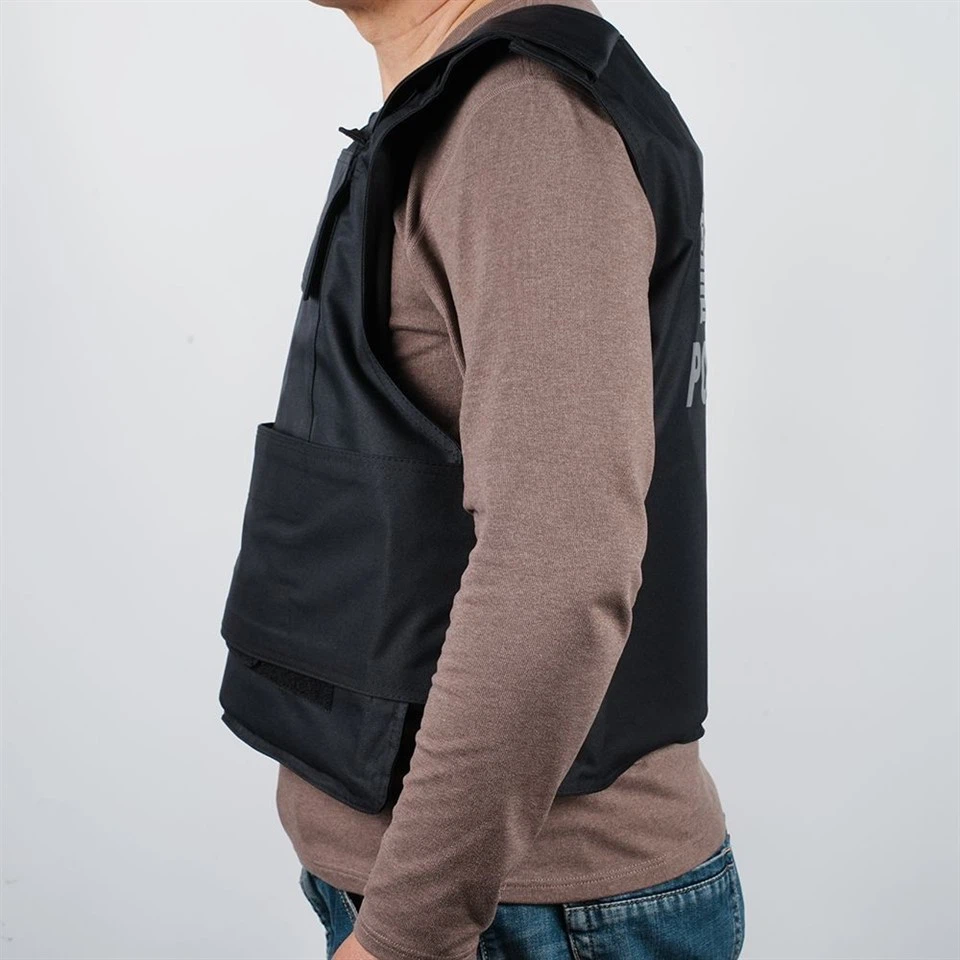
We use state - of - the - art technology and equipment to produce our body armor vests. Advanced weaving techniques are employed to create the high - strength fiber layers, and the assembly of the vests is done with meticulous attention to detail. Quality control checks are conducted at every stage of the production process, from the cutting of the materials to the final inspection of the completed vest.
Looking to the Future
The world of body armor is constantly evolving. New materials and technologies are being developed that offer even better protection and comfort. For example, researchers are exploring the use of nanomaterials and advanced composites to create body armor that is lighter, stronger, and more flexible.
As a supplier, we are committed to staying at the forefront of these advancements. We are constantly investing in research and development to bring the latest and greatest body armor solutions to our customers. By working closely with industry experts and researchers, we aim to provide body armor vests that offer the highest level of protection in an ever - changing threat landscape.
Contact Us for Your Body Armor Needs
If you are in the market for high - quality body armor vests, whether for personal protection, law enforcement, or military use, we are here to help. Our team of experts can assist you in choosing the right body armor vest based on your specific requirements. We offer a wide range of products, including Nij Iiia Ballistic Vest, Quick Release Tactical Vest, Concealed Body Armor Vest, Tactical Vest, and Ballistic Protection Panels.
Contact us today to start a conversation about your body armor needs. We look forward to providing you with the best - in - class body armor solutions to keep you safe.
References
- National Institute of Justice. NIJ Standard - 0101.06: Ballistic Resistance of Body Armor.
- Johnston, A. P. W., & Woodward, R. I. (2000). The mechanism of penetration of ballistic textiles. Journal of Materials Science, 35(1), 11 - 22.
- Cunniff, P. M. (Ed.). (1992). High - performance fibers (Vol. 7). CRC Press.