As a supplier of high - quality bulletproof vests, I often encounter various questions from customers. One of the most interesting and frequently asked questions is whether a bulletproof vest can be used in water. This question not only involves the basic performance of bulletproof vests but also has implications for specific usage scenarios, such as military operations in water areas, law - enforcement activities near water bodies or even some extreme survival situations.
The Structure and Materials of Bulletproof Vests
Before delving into the question of using bulletproof vests in water, it's essential to understand the structure and materials of these vests. There are different types of bulletproof vests available on the market, each with its own unique design and material composition.
Uhmwpe Bulletproof Vest
The Uhmwpe Bulletproof Vest is made of Ultra - High - Molecular - Weight Polyethylene (UHMWPE) fibers. These fibers are known for their high strength - to - weight ratio, excellent durability, and relatively light weight. UHMWPE fibers work by absorbing and dispersing the energy of a projectile upon impact. The vest consists of multiple layers of these fibers woven together to create a strong and flexible protective barrier.
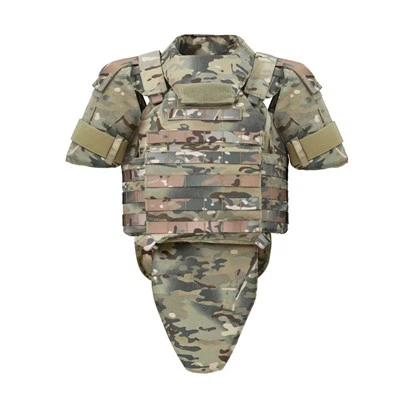
Tactical Vest
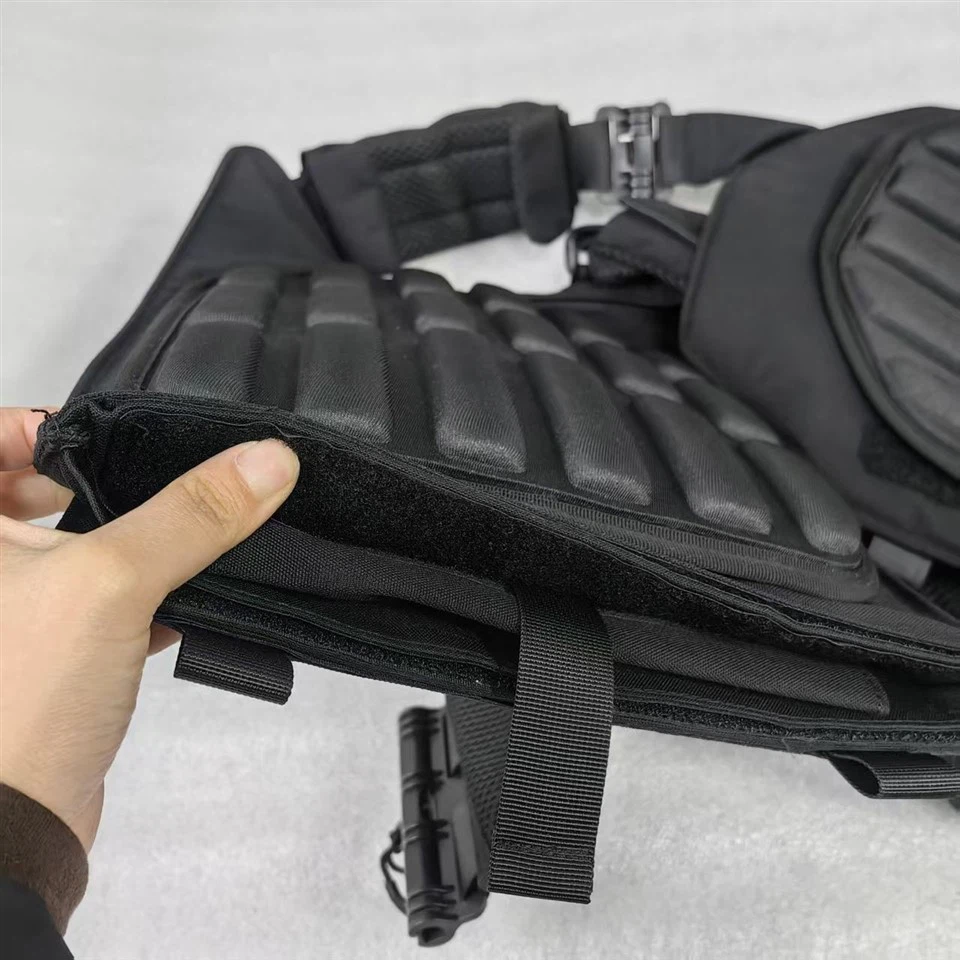
The Tactical Vest is designed for more than just bullet protection. It often has additional features such as pockets for carrying equipment, adjustable straps for a better fit, and a modular design that allows for the attachment of various accessories. Tactical vests can be made from a combination of ballistic materials and other fabrics, providing both protection and functionality.
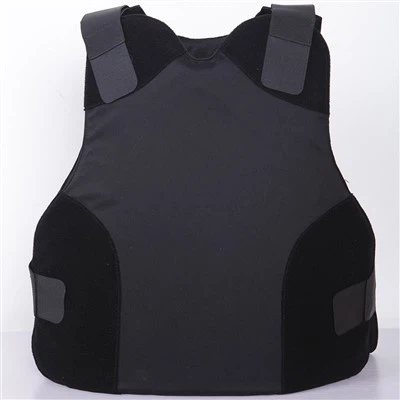
Nij IIIA Ballistic Vest
The Nij IIIA Ballistic Vest meets the National Institute of Justice (NIJ) Level IIIA standards. It is capable of stopping most handgun rounds and some lower - velocity rifle rounds. The materials used in Nij IIIA vests usually include aramid fibers like Kevlar or Twaron, which are strong and heat - resistant. These fibers form a dense matrix that can effectively catch and deform projectiles.
Bulletproof Plate Carrier
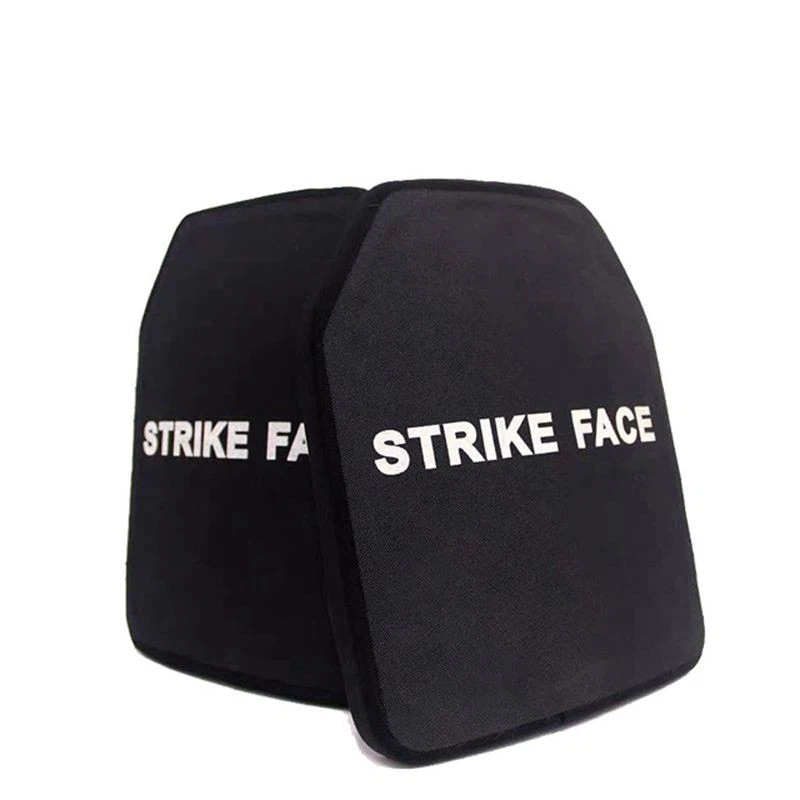
The Bulletproof Plate Carrier is designed to hold ballistic plates. These plates can be made of ceramic, steel, or composite materials. The plate carrier itself is often made of a durable fabric that can support the weight of the plates and keep them in place during movement.
Ballistic Protection Panels
Ballistic Protection Panels are used in various bulletproof vests and are usually removable and replaceable. They are typically made of high - performance fibers or composite materials and can be customized according to different protection requirements.
Effects of Water on Bulletproof Vests
Water Absorption
When a bulletproof vest is in water, one of the primary concerns is water absorption. Different materials have different levels of water absorption. For example, aramid fibers used in some vests can absorb a certain amount of water. When these fibers absorb water, their physical properties may change. The absorbed water can add weight to the vest, making it more cumbersome to wear and move around. Also, water can potentially weaken the fibers over time, especially if the vest is frequently exposed to water.
On the other hand, UHMWPE fibers have relatively low water absorption. This means that a Uhmwpe Bulletproof Vest will not significantly increase in weight due to water absorption and is less likely to have its performance affected by water in the short - term.
Buoyancy
Another factor to consider is buoyancy. The design of a bulletproof vest is not typically focused on providing buoyancy. However, some vests with a lot of air pockets or made from materials with low density may provide a small amount of buoyancy. This can be an advantage in water, as it can help the wearer stay afloat to some extent. But for vests with heavy ballistic plates, such as Bulletproof Plate Carriers, the weight of the plates can easily overcome any potential buoyancy, making it difficult for the wearer to stay on the water's surface.
Impact Resistance in Water
The impact resistance of a bulletproof vest may also be affected by water. When a bullet hits a vest in water, the water around the vest can act as a medium that transfers energy differently compared to air. In some cases, the water may help to disperse the energy of the bullet more effectively, but it can also cause the bullet to deform or change its trajectory in an unpredictable way.
For vests made of aramid fibers, the water can make the fibers more rigid, which may reduce their ability to flex and absorb the energy of the bullet as effectively. In contrast, UHMWPE fibers may maintain their flexibility and energy - absorbing properties better in water due to their low water absorption.
Practical Applications and Limitations
Military and Law - Enforcement
In military and law - enforcement operations near or in water, the use of bulletproof vests can be a complex decision. For example, in amphibious operations, soldiers may need to wear bulletproof vests both on land and in water. While the vests can provide protection against gunfire, the added weight and potential performance changes in water can pose challenges.
Law - enforcement officers patrolling near water bodies may also face similar issues. If they need to enter the water to pursue suspects, the functionality of their bulletproof vests may be compromised. However, in some cases, the protection provided by the vest may still be worth the trade - off.
Extreme Survival Situations
In extreme survival situations, such as being stranded in a water area with the threat of gunfire, a bulletproof vest may be a valuable asset. But the wearer needs to be aware of its limitations in water. The added weight can make swimming more difficult, and the potential performance degradation may reduce the level of protection.
Recommendations and Best Practices
Pre - treatment
If you anticipate using a bulletproof vest in water, it is advisable to choose a vest made of materials with low water absorption, such as UHMWPE. Before entering the water, you can also apply a water - repellent coating to the vest to reduce water absorption.
Maintenance
After using the vest in water, it should be thoroughly rinsed with fresh water to remove any salt, sand, or other contaminants. Then, it should be hung to dry in a well - ventilated area. Avoid direct sunlight or high - temperature drying, as this can damage the materials of the vest.
Training
For military and law - enforcement personnel, specific training should be provided on using bulletproof vests in water. This training should include how to move effectively in water while wearing the vest, how to assess the vest's performance in different water conditions, and how to maintain the vest after water exposure.
Conclusion
In conclusion, while a bulletproof vest can technically be used in water, there are many factors that need to be considered. The type of material, water absorption, buoyancy, and impact resistance in water all play important roles in determining the vest's effectiveness. As a bulletproof vest supplier, I understand the importance of providing products that can meet the diverse needs of our customers, including those in water - related scenarios.
If you are interested in purchasing bulletproof vests or have any questions about their performance in different environments, please don't hesitate to contact us. We are here to provide you with the best - quality products and professional advice to ensure your safety and protection.
References
- "Bulletproof Vest Materials and Technology" - Journal of Ballistic Protection
- "The Effects of Water on High - Performance Fibers" - Fiber Research Institute Publications
- "Military and Law - Enforcement Equipment in Water Environments" - Defense and Security Review