As a reputable supplier of Aramid Ballistic Vests, I've received numerous inquiries regarding the impact of humidity on these life-saving pieces of equipment. In this blog post, I'll delve into the scientific aspects of how humidity can affect aramid ballistic vests, drawing on both industry knowledge and research findings.
Understanding Aramid Ballistic Vests
Aramid fibers, such as Kevlar and Twaron, are the primary materials used in ballistic vests. These synthetic fibers are known for their high strength-to-weight ratio, excellent heat resistance, and remarkable energy absorption capabilities. When woven into a fabric and layered, they form a protective barrier that can stop bullets and shrapnel, making them a vital component in personal protective equipment for military, law enforcement, and security personnel.
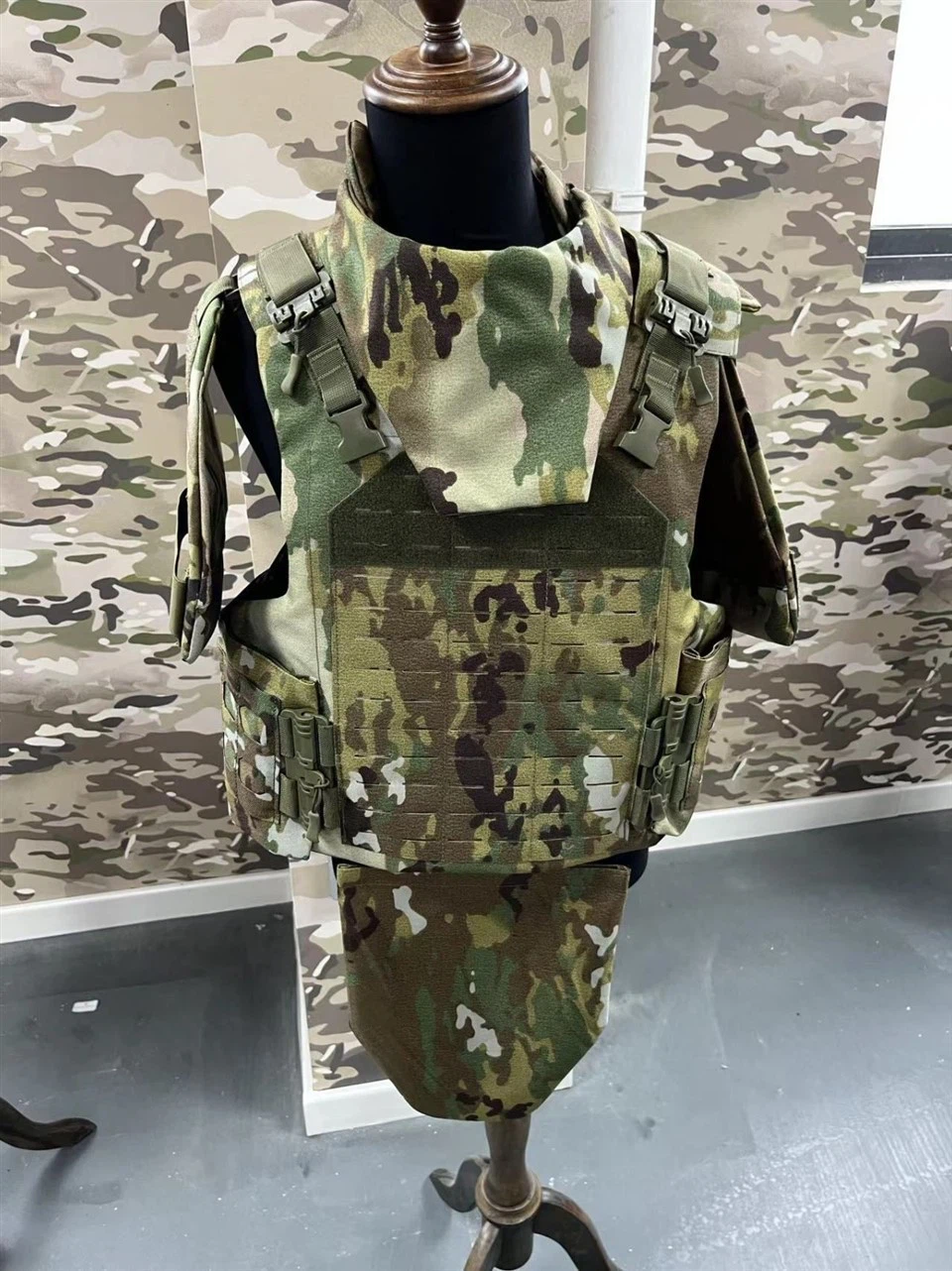

The ballistic performance of aramid vests is determined by factors such as the fiber type, weave pattern, number of layers, and overall construction. These vests are rigorously tested to meet specific standards, including those set by the National Institute of Justice (NIJ) in the United States. However, environmental factors like humidity can potentially influence their performance and longevity.
The Science Behind Humidity and Aramid Fibers
Humidity refers to the amount of water vapor present in the air. When aramid fibers are exposed to high humidity levels, they can absorb moisture. This absorption occurs due to the hydrophilic nature of the fibers, which have a natural affinity for water molecules. The amount of moisture absorbed depends on several factors, including the relative humidity, temperature, and exposure time.
When aramid fibers absorb moisture, they undergo a process called swelling. Swelling causes the fibers to increase in diameter and length, which can affect their mechanical properties. The increased size of the fibers can lead to changes in the fabric's structure, altering the way it distributes and absorbs energy from a ballistic impact. Additionally, the presence of moisture can weaken the intermolecular bonds within the fibers, reducing their overall strength and stiffness.
Impact on Ballistic Performance
The absorption of moisture by aramid fibers can have a direct impact on the ballistic performance of the vest. Research has shown that high humidity levels can decrease the ballistic resistance of aramid vests. When fibers swell due to moisture absorption, they become less effective at dissipating the energy of a bullet or shrapnel. This can result in a higher probability of the projectile penetrating the vest, increasing the risk of injury or fatality to the wearer.
In a study conducted by the Army Research Laboratory, aramid fabric samples were exposed to different humidity levels and then subjected to ballistic testing. The results showed that as the humidity increased, the ballistic performance of the fabric decreased. The decrease in performance was attributed to the swelling of the fibers and the subsequent change in the fabric's structure.
Moreover, the presence of moisture can also accelerate the degradation of aramid fibers over time. Moisture can act as a catalyst for chemical reactions that break down the fibers, leading to a loss of strength and durability. This can reduce the lifespan of the ballistic vest and require more frequent replacement.
Impact on Comfort and Wearability
In addition to affecting ballistic performance, humidity can also impact the comfort and wearability of aramid ballistic vests. When the vest absorbs moisture, it becomes heavier and feels more cumbersome to wear. This can lead to increased fatigue and discomfort for the wearer, especially during extended periods of use.
The moisture absorbed by the vest can also create a damp environment next to the skin, which can increase the risk of skin irritation and fungal infections. This can be particularly problematic for individuals who wear the vest for long hours or in hot and humid conditions.
Mitigating the Effects of Humidity
While humidity can pose challenges to the performance and durability of aramid ballistic vests, there are several steps that can be taken to mitigate its effects. Here are some recommendations:
- Proper Storage: Store aramid ballistic vests in a cool, dry place with low humidity levels. Avoid storing them in areas prone to moisture, such as basements or attics.
- Regular Inspection: Conduct regular inspections of the vest for signs of moisture damage, such as mold, mildew, or discoloration. If any damage is detected, the vest should be replaced immediately.
- Use of Moisture-Wicking Liners: Consider using moisture-wicking liners inside the vest to help draw moisture away from the body and keep the wearer dry.
- Ventilation: Ensure that the vest has adequate ventilation to allow air to circulate and prevent the buildup of moisture.
- Avoid Prolonged Exposure: Minimize the vest's exposure to high humidity environments whenever possible. If the wearer is in a humid area for an extended period, take breaks to allow the vest to dry out.
Other Considerations
It's important to note that the impact of humidity on aramid ballistic vests can vary depending on the specific type of aramid fiber used, the construction of the vest, and the environmental conditions. Some manufacturers may use special treatments or coatings to improve the moisture resistance of their vests. Additionally, advancements in materials science are continuously being made to develop more moisture-resistant aramid fibers and ballistic vest designs.
When choosing an aramid ballistic vest, it's essential to consider the intended use and the environmental conditions in which it will be worn. For example, if the vest will be used in a humid climate, look for a vest that is specifically designed to withstand high humidity levels.
Conclusion
In conclusion, humidity can have a significant impact on the performance, durability, and comfort of aramid ballistic vests. The absorption of moisture by aramid fibers can lead to swelling, changes in the fabric's structure, and a decrease in ballistic resistance. Additionally, humidity can increase the risk of skin irritation and accelerate the degradation of the fibers over time.
However, by taking appropriate measures to mitigate the effects of humidity, such as proper storage, regular inspection, and the use of moisture-wicking liners, the impact of humidity on aramid ballistic vests can be minimized. As a supplier of Aramid Ballistic Vests, we are committed to providing our customers with high-quality, reliable products that offer optimal protection in a variety of environments.
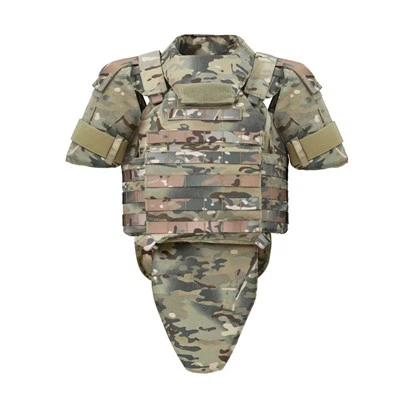
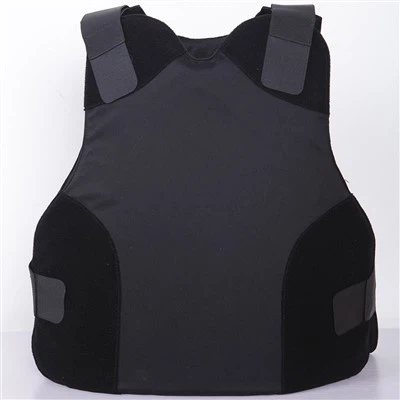
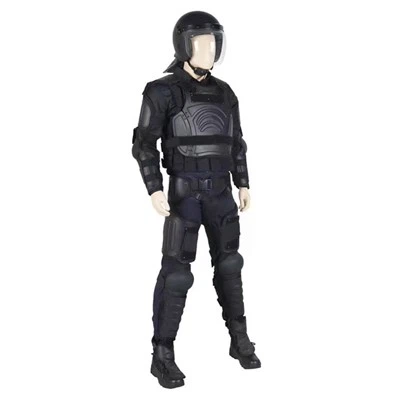
If you're in the market for a ballistic vest, we invite you to explore our range of products, including Concealed Body Armor Vests, Bulletproof Uniforms, Quick Release Tactical Vests, and Tactical Vests. Our team of experts is available to assist you in choosing the right vest for your specific needs. Contact us today to start a discussion about your procurement requirements.
References
- Army Research Laboratory. (Year). Impact of Humidity on the Ballistic Performance of Aramid Fabrics.
- National Institute of Justice. (Year). Ballistic Resistance of Personal Body Armor.