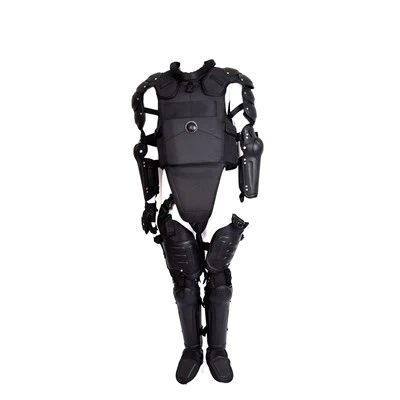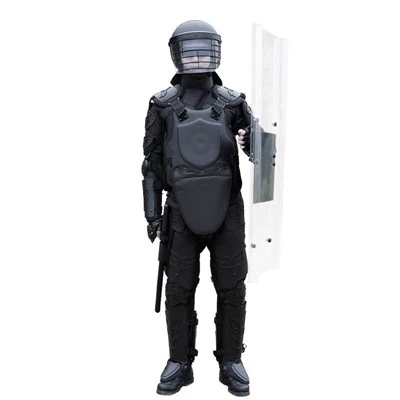
When I first started my career as a bulletproof uniform supplier over a decade ago, I quickly learned that one of the most common questions from law enforcement officers, security professionals, and even military personnel wasn’t just “Which is better?” – it was “How do bulletproof uniforms compare to Kevlar vests?” For years, I fielded this query at trade shows, during client consultations, and even over late-night phone calls from teams in the field who needed to make critical decisions about their personal protective equipment (PPE). Today, I want to break down the science, the practical use cases, and the real-world differences that matter most to people who rely on this gear every day.
First, let’s get one thing straight: Kevlar is not the only material used in ballistic protection, and bulletproof uniforms aren’t just “regular clothes with a vest sewn in.” To understand the comparison, we need to start with the basics of what ballistic protection does. Both bulletproof uniforms and Kevlar vests are designed to stop or slow projectiles, shrapnel, and blunt force trauma, but their construction, intended use, and performance characteristics set them apart.
Kevlar, for those who might not know, is a brand of aramid fiber – a synthetic material invented by DuPont in the 1960s. Aramid fibers are incredibly strong: five times stronger than steel on a weight-for-weight basis, which is why they’ve been the gold standard for body armor for decades. Traditional Kevlar vests (which are technically aramid vests, since Kevlar is a type of aramid) work by absorbing the energy of a projectile through the layers of woven fiber. When a bullet hits, the fibers stretch and distribute the force across a wider area, preventing the round from penetrating the vest.
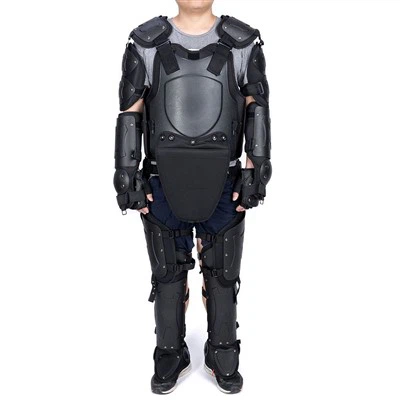
Bulletproof uniforms, on the other hand, integrate ballistic protection into the very fabric of a uniform – think of tactical shirts, pants, or outerwear that have aramid or other high-performance fibers woven into the material. The key here is integration: instead of wearing a separate vest over your clothes, the protection is part of the uniform itself. This might sound like a minor difference, but it changes everything for people who wear this gear for long shifts.
Let’s dive into performance. When it comes to stopping bullets, both Kevlar vests and bulletproof uniforms can meet the same threat levels – like NIJ Level IIIA, which covers most handguns. But the way they deliver that protection varies. A standard Kevlar vest, for example, is a panel that sits between your layers of clothing, so it only protects your torso. It also has to be sized correctly; if you’re a larger individual, finding a well-fitting vest can be a challenge, which is why our Plus Size Military Vest is designed to accommodate broader chest and waist measurements without sacrificing mobility or protection. Our Plus Size line is built with the same aramid fiber technology as our other vests, so you don’t have to compromise on safety for a better fit.
Bulletproof uniforms, by contrast, often cover more surface area. A ballistic uniform shirt, for instance, might have protection in the chest, back, shoulders, and even upper arms, which is a big advantage for officers who work in environments where they’re at risk from angles other than just front-on. But the trade-off here is weight: a full ballistic uniform can be heavier than a traditional Kevlar vest, especially if it’s rated for higher threat levels. That’s why we’ve engineered our Aramid Ballistic Vest – wait, no, let’s clarify: bulletproof uniforms are different from standalone vests. A standalone vest (like an Aramid Bulletproof Vest) is a rigid panel, while a bulletproof uniform is a garment where the protection is woven into the fabric, so it’s more flexible. That flexibility is a game-changer for people who need to move quickly – tactical operators, patrol officers, even security details who might be running, climbing, or bending all shift long.
Wait, let’s get specific about testing. Both types of gear have to meet the same industry standards, like NIJ certification. Our NIJ IIIA Bulletproof Vest, for example, has been tested to stop .357 Magnum and 9mm rounds, meeting the National Institute of Justice’s strict criteria for personal body armor. Bulletproof uniforms also go through the same testing, but because the protection is integrated, the results are slightly different. For a Kevlar vest, the test measures how much the projectile deforms the backing material (called the “backface signature”), which is the force that transfers to the wearer’s body. For a bulletproof uniform, the backface signature is measured across the entire garment, not just a small panel, so the manufacturer has to ensure the protection is consistent everywhere.
Practical use is where these two types of gear really diverge. Let’s talk about an officer on a 12-hour patrol shift. A traditional Kevlar vest is light and discreet under a uniform shirt, but it can be uncomfortable – it traps heat, rubs under the arms, and requires you to carry it separately if you’re changing clothes. A bulletproof uniform, however, is the uniform: you put it on in the morning, and you’re protected from the moment you leave for work. That means no extra layers, no adjusting a vest all shift, and less bulk when you’re doing things like getting in and out of a patrol car, kneeling to investigate a scene, or even sitting at a desk during breaks.
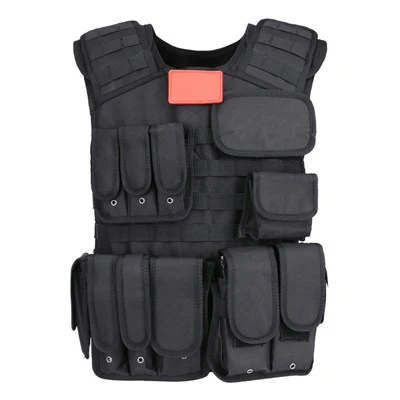
But there are times when a standalone Kevlar vest is better. If you’re a security officer who only needs protection for specific tasks – like static posts where the threat is only to your torso – a lightweight vest is more than enough, and you can layer it under any uniform. Plus, standalone vests often have modular attachments: you can add plates for higher-level protection (like rifle plates) if you’re in a combat zone. Our Quick Release Tactical Vest is designed for exactly this kind of versatility: it lets you attach and remove ballistic panels quickly, which is essential if you need to respond to a situation where you might have to take off your vest in a hurry – or add extra protection when the threat level rises.
Another point: durability. A standalone Kevlar vest is a single panel, so if it gets torn or stained, you can often repair it or replace just the panel. A bulletproof uniform, though, is a garment, so it has seams, pockets, and other elements that can wear out. That’s why we use high-quality, ripstop aramid fabric for our bulletproof uniforms – it’s resistant to tears, and the ballistic fibers are sealed to prevent fraying, even after hundreds of washes. For someone who works in a dirty, high-wear environment, that durability is worth the investment.
Comfort is another big factor, especially in hot climates. A traditional Kevlar vest can make you feel like you’re wearing a thick blanket, leading to sweat buildup and discomfort. Bulletproof uniforms, by contrast, are often made with breathable, moisture-wicking aramid fibers that let air circulate, reducing heat stress. We’ve tested this with dozens of officers in desert environments, and the feedback is clear: they can wear a bulletproof uniform for 10 hours without the same level of discomfort as a standalone vest. That might not sound like a big deal, but in a life-or-death situation, being able to stay focused because you’re not uncomfortable can make all the difference.
Now, let’s clear up a common misconception: “bulletproof” doesn’t mean impervious to all bullets. Both Kevlar vests and bulletproof uniforms are “bullet-resistant,” not bulletproof. Even the best NIJ Level IV vest (which stops rifle rounds) will be penetrated by a high-velocity rifle round at a certain distance, but the point is that they stop the rounds that are most commonly encountered in everyday law enforcement and security scenarios. That’s why certification is so important – it tells you exactly what the gear is rated for, so you don’t rely on false claims of being “unbreakable.”
So, when should you choose a bulletproof uniform over a Kevlar vest, and vice versa? Let’s break it down:
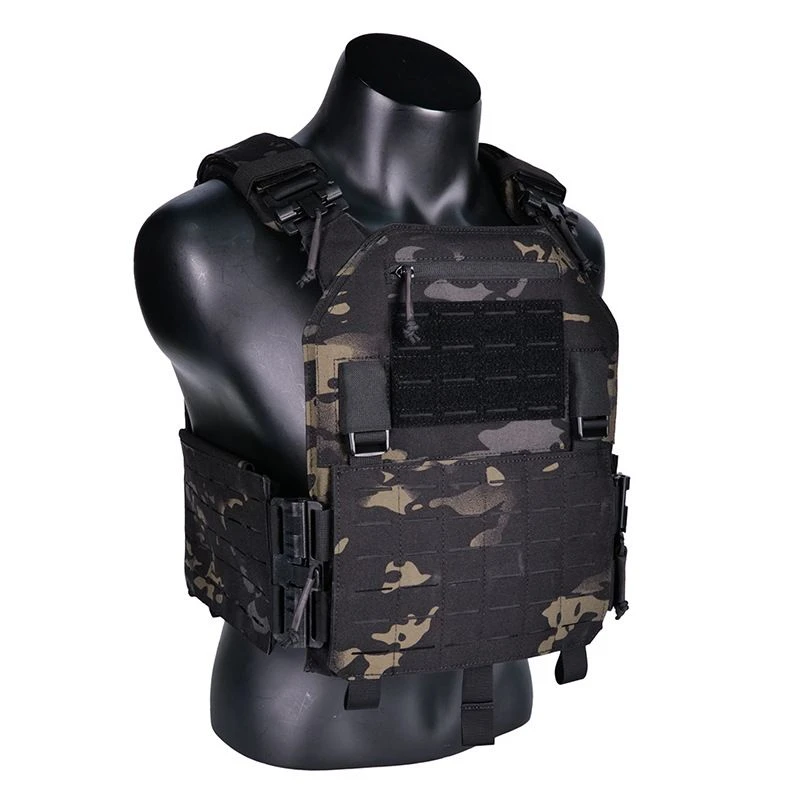
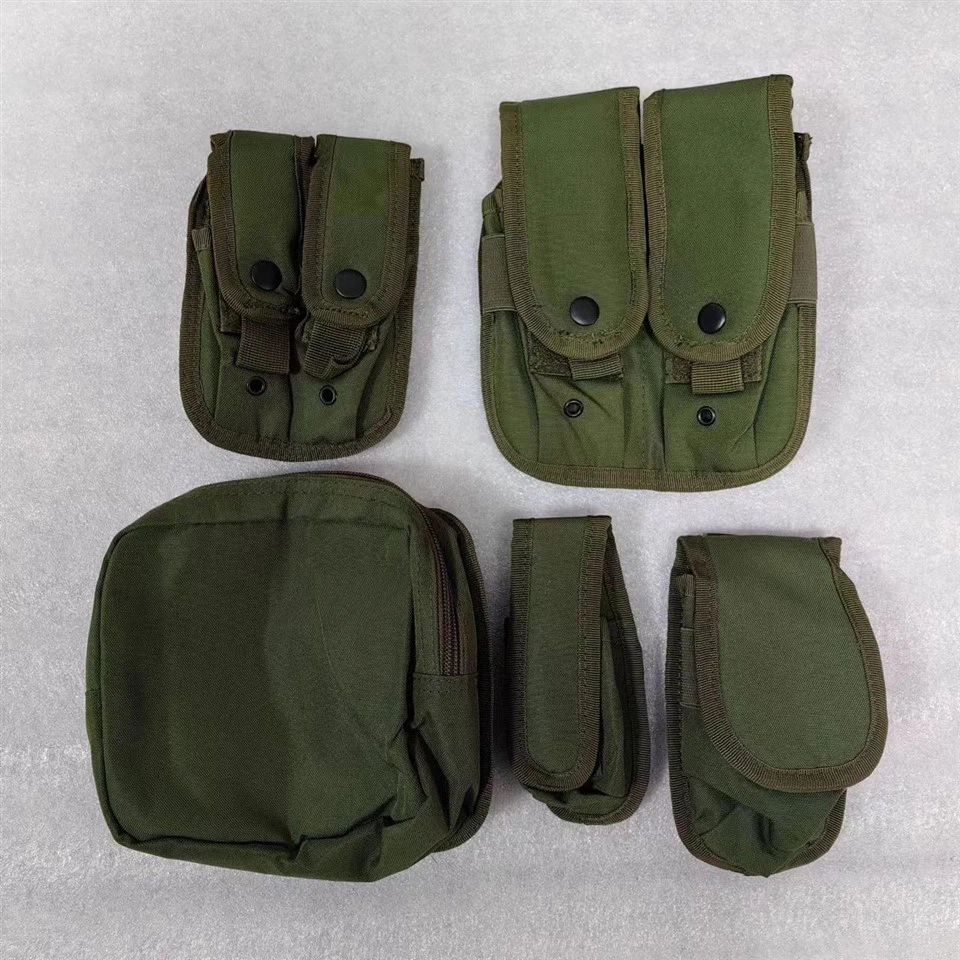
Choose a bulletproof uniform if:
- You need full-body coverage (torso, shoulders, arms)
- You wear the gear for long shifts and comfort is a priority
- You want to integrate protection into your daily uniform, not carry a separate item
- You work in hot climates where breathability is essential
Choose a Kevlar vest if:
- You only need torso protection
- You need modularity to add plates or attachments
- You need a lightweight, discreet option under your existing clothes
- You need to adjust your protection levels easily (like for different shifts)
Of course, this isn’t an either/or for many professionals. A patrol officer might wear a bulletproof uniform during daily patrols, and carry a standalone Kevlar vest (like our Aramid Bulletproof Vest) for special events or high-threat details. A military unit might use both: uniforms for standard duty, and modular vests for combat operations where they need to add rifle plates.
As a supplier, my job isn’t to tell you which one is better – it’s to give you the information you need to choose the right gear for your specific needs. That’s why we’ve invested in a range of products, from our lightweight NIJ IIA Bulletproof Vest for patrol officers to our Plus Size Military Vest for larger operators who need a proper fit. We also work with clients to assess their threats, their environment, and their budget, so they don’t end up buying gear that’s either too much or not enough.
I’ve seen too many people make the wrong choice because they didn’t understand the differences between these two types of ballistic protection. I’ve talked to officers who wore a bulky Kevlar vest in 90-degree heat and ended up exhausted during a critical call, and I’ve seen security teams choose a basic uniform without enough protection and get injured. That’s why transparency is so important to me: I want you to know exactly what you’re buying, how it performs, and how it fits your needs.
At the end of the day, the goal of any ballistic gear is to keep you safe. Whether you choose a bulletproof uniform or a Kevlar vest, the best option is the one that you’ll actually wear – that fits well, is comfortable enough to move in, and gives you the protection you need without holding you back. If you’re not sure which is right for you, or if you have questions about our products, like our Quick Release Tactical Vest or our Aramid Ballistic Uniforms, I encourage you to reach out for a consultation. We don’t just sell gear – we work with professionals to find the solution that works for them, because when you’re out there protecting others, the last thing you need to worry about is whether your gear is letting you down.
If you’re ready to explore your options, or if you have specific questions about fit, threat levels, or customization, don’t hesitate to get in touch. Our team has years of experience in the industry, and we’re here to help you make the right choice for your team, your mission, and your safety. Don’t wait until it’s too late – invest in gear that’s designed to work as hard as you do, so you can focus on what matters most.
References
- National Institute of Justice. (2020). Ballistic Resistance of Body Armor (NIJ Standard 0101.07). U.S. Department of Justice.
- DuPont. (1979). Kevlar Fiber: Properties and Applications. DuPont Technical Publications.
- International Association of Chiefs of Police. (2018). Law Enforcement Body Armor Best Practices. IACP Press.
- ASTM International. (2021). Standard Test Method for Resistance of Materials to Projectile Impact (ASTM F1277). ASTM Standards.
- Jones, R. et al. (2019). “Comfort and Performance of Ballistic Uniforms for Public Safety Personnel.” Journal of Occupational and Environmental Hygiene, 16(8), 521-529.