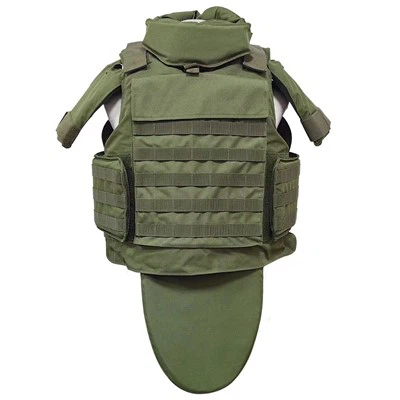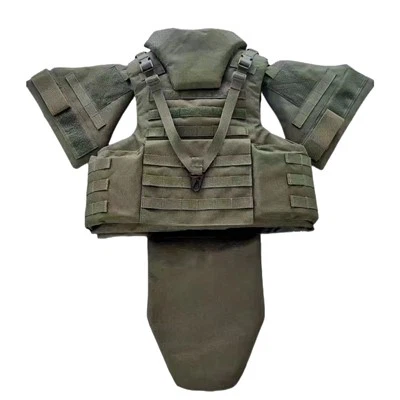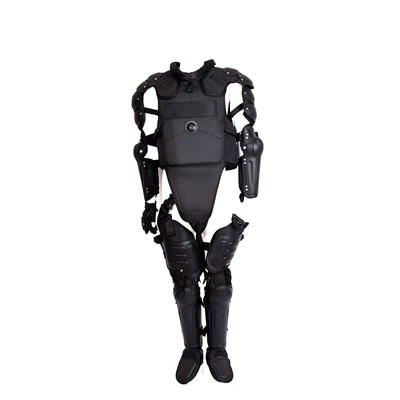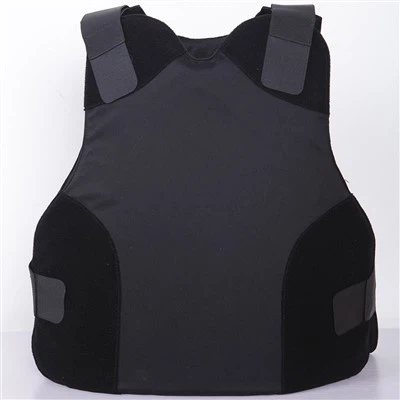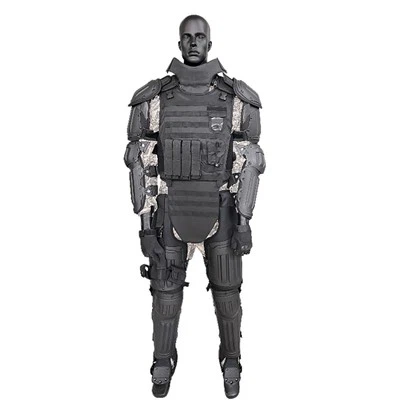
Do bulletproof uniforms have a limited lifespan? This is a question that often comes up among law enforcement officers, military personnel, and security professionals. As a supplier of Bulletproof Uniform, I've encountered this query numerous times. In this blog, I'll delve into the factors that influence the lifespan of bulletproof uniforms and offer insights on ensuring their long - term effectiveness.
Understanding the Basics of Bulletproof Uniforms
Bulletproof uniforms are designed to provide protection against ballistic threats, such as bullets and shrapnel. They typically consist of multiple layers of high - strength materials like Kevlar, Twaron (types of aramid fibers), and other advanced polymers. These materials work together to absorb and disperse the energy of a bullet, preventing it from penetrating the body.
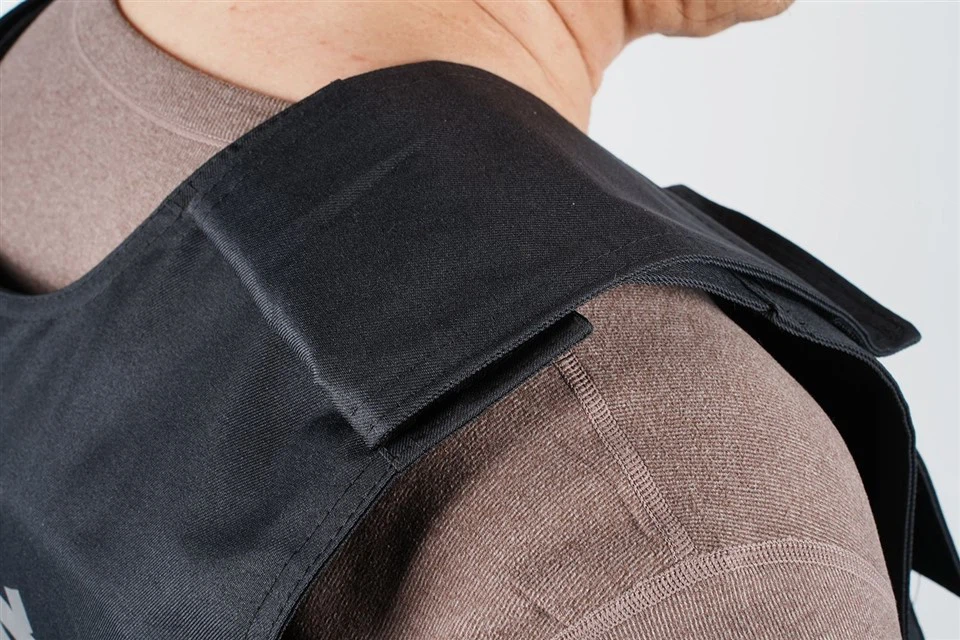
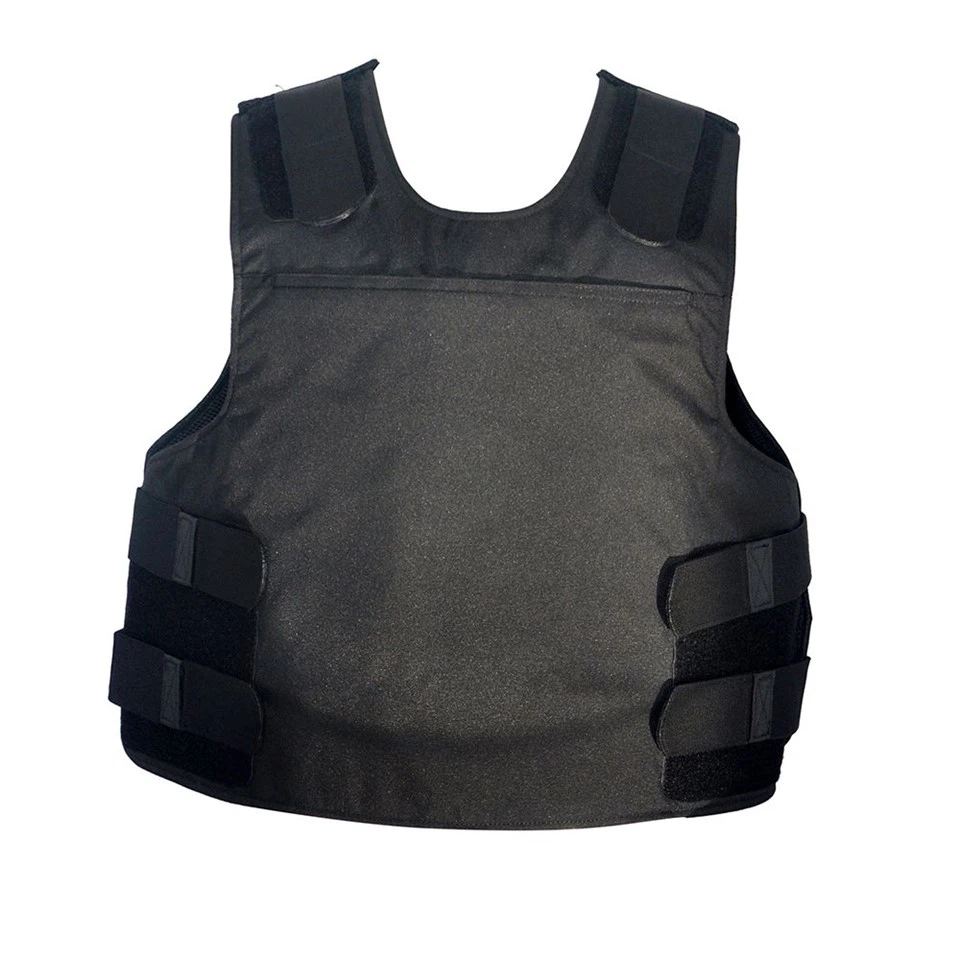
There are different types of bulletproof uniforms available in the market. For instance, the Body Armor Vest is a common type that offers protection to the torso. The Aramid Ballistic Vest is made primarily of aramid fibers, which are known for their high strength - to - weight ratio. The Nij Iiia Ballistic Vest complies with the NIJ IIIA standard, providing a specific level of protection against a range of bullet calibers. Additionally, Ballistic Protection Panels can be integrated into uniforms for enhanced protection.
Factors Affecting the Lifespan of Bulletproof Uniforms
Material Degradation
The materials used in bulletproof uniforms are not immune to deterioration over time. Aramid fibers, for example, can be affected by environmental factors such as moisture, sunlight, and high temperatures. Prolonged exposure to sunlight can cause the fibers to break down due to the ultraviolet (UV) radiation. Moisture can lead to the growth of mold and mildew, which can weaken the fabric and reduce its ballistic effectiveness.
High temperatures can also have a negative impact on the materials. When exposed to extreme heat, the chemical bonds in the aramid fibers can break, causing the material to lose its strength. For example, if a bulletproof uniform is stored in a hot attic or exposed to direct sunlight for extended periods, its protective capabilities may be compromised.
Wear and Tear
Regular use of bulletproof uniforms leads to wear and tear. Officers and soldiers who wear these uniforms on a daily basis subject them to friction, bending, and stretching. These mechanical stresses can cause the fibers in the uniform to fray and break. Seams can also come loose over time, reducing the integrity of the overall structure of the uniform.
If a uniform is frequently caught on sharp objects, such as fences or equipment, it can cause cuts and tears in the fabric. Even minor damage can significantly reduce the protective capabilities of the bulletproof uniform.
Exposure to Chemicals
Bulletproof uniforms can be exposed to various chemicals in the field. Cleaning agents, fuels, and solvents can all have a detrimental effect on the materials. Some cleaning agents may be too harsh for the delicate aramid fibers and can cause them to degrade.
In a military or law enforcement scenario, uniforms may come into contact with pesticides, acids, or other industrial chemicals. These substances can react with the fibers and weaken the fabric, shortening the lifespan of the bulletproof uniform.
How to Determine the Lifespan of a Bulletproof Uniform
Manufacturer's Guidelines
Most manufacturers of bulletproof uniforms provide guidelines on the expected lifespan of their products. These guidelines are based on extensive testing and research. They typically recommend a replacement period, which can range from 5 to 10 years, depending on the type of uniform and the materials used.
It's important to follow these guidelines as closely as possible. Manufacturers have the expertise and knowledge to determine the optimal lifespan of their bulletproof uniforms based on the performance of the materials under various conditions.
Visual Inspection
Regular visual inspections are crucial for assessing the condition of a bulletproof uniform. Look for signs of damage such as cuts, tears, fraying, or discoloration. Check the seams for any loose threads or separation. If you notice any of these signs, it may be an indication that the uniform is no longer providing adequate protection.
Also, inspect the interior of the uniform for signs of mold or mildew. A musty smell or visible mold growth can be a sign of moisture damage, which can render the uniform ineffective.
Performance Testing
Performance testing is another way to determine the lifespan of a bulletproof uniform. Some independent testing laboratories offer services to test the ballistic performance of bulletproof vests and uniforms. These tests involve firing bullets at the uniform to measure its ability to stop and absorb the energy of the projectiles.
If the uniform fails the performance test, it clearly indicates that it needs to be replaced. However, performance testing can be expensive and not always practical for regular use.
Prolonging the Lifespan of Bulletproof Uniforms
Proper Storage
Storing bulletproof uniforms properly is essential for extending their lifespan. Keep them in a cool, dry place away from direct sunlight. Avoid storing them in basements or attics where there is a high risk of moisture and temperature fluctuations.
Use a storage container or a hanging rack to prevent the uniform from being crushed or folded for long periods. Folding or creasing the uniform can cause the fibers to break, especially if it is done repeatedly.
Regular Cleaning
Cleaning bulletproof uniforms regularly can help maintain their performance. However, it's important to use the right cleaning methods and products. Follow the manufacturer's instructions for cleaning. In general, use a mild detergent and lukewarm water. Avoid using harsh chemicals or abrasive cleaners.
After cleaning, allow the uniform to air - dry completely. Do not use a dryer, as the high heat can damage the fibers.
Handling with Care
Handle bulletproof uniforms with care to minimize wear and tear. Avoid pulling, stretching, or snagging the fabric. When putting on or taking off the uniform, be gentle and avoid getting it caught on sharp objects.
If possible, use a soft brush to remove dirt and debris from the surface of the uniform instead of rubbing it vigorously.
Conclusion
In conclusion, bulletproof uniforms do have a limited lifespan. Material degradation, wear and tear, and exposure to chemicals all contribute to the reduction in the effectiveness of these uniforms over time. However, by following the manufacturer's guidelines, conducting regular visual inspections, and taking proper care of the uniforms, their lifespan can be extended.
As a supplier of bulletproof uniforms, I understand the importance of providing high - quality products and ensuring the safety of our customers. If you're in the market for reliable bulletproof uniforms or have any questions about their lifespan and maintenance, I encourage you to reach out. We're here to assist you in making the right choices for your ballistic protection needs. Contact us to start a discussion about your procurement requirements and find out how our bulletproof uniforms can meet your specific needs.
References
- Ballistic Protection Materials: Science and Technology, edited by John W. Gillespie Jr.
- NIJ Standards for Body Armor, National Institute of Justice.
- Handbook of Aramid Fibers, by S. M. Alston.