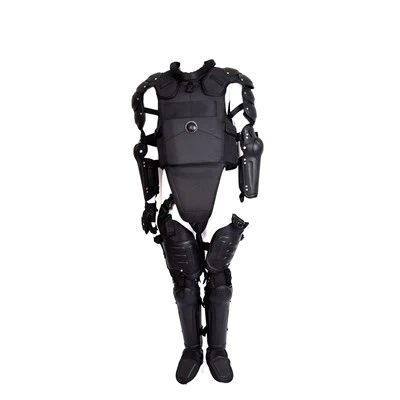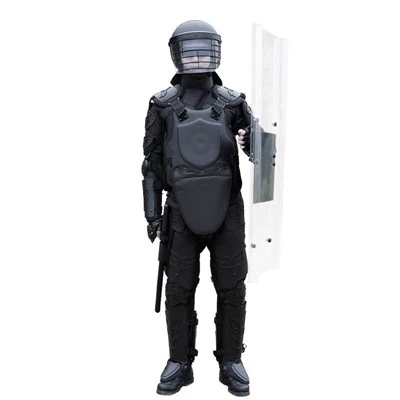
In the fast-paced world of public safety, the tools that protect law enforcement officers have evolved dramatically over the past decade, and riot suits—critical gear for managing civil unrest, large-scale protests, and crowd control operations—are no exception. As a riot suit supplier, I’ve spent countless hours working with tactical teams, testing materials, and collaborating with engineers to bring the latest innovations to professionals on the front lines. Today, I want to break down the most exciting new technologies in riot suit design, why they matter for both officer safety and operational effectiveness, and how these advancements are reshaping the equipment we provide.
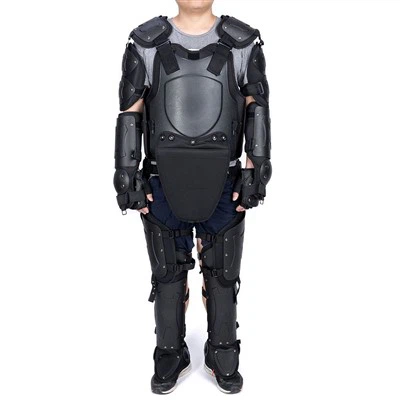
Let’s start with a core challenge that has plagued riot gear for years: the balance between protection and mobility. Traditional riot suits are often heavy, rigid, and restrictive, making it difficult for officers to climb, run, or communicate effectively during long shifts. That’s where modern material science has made its biggest mark. The shift from hard, solid plastics to flexible, high-performance composites is one of the most significant changes in recent years. For example, many of today’s riot suits use layered armor made from ultra-high-molecular-weight polyethylene (UHMWPE) and aramid fibers, the same materials used in bulletproof vests, but engineered to withstand blunt impacts from rocks, batons, and even blunt force trauma from projectiles. What makes this new technology game-changing is that these composites are lighter and more flexible than the PVC or metal plating used in older designs. A few years ago, a full riot suit might weigh 40 to 50 pounds; now, our latest models tip the scales at 25 to 30 pounds, while still meeting or exceeding industry safety standards. This is a difference that directly impacts officer endurance—during 12-hour deployments, the reduced weight means less fatigue, faster reaction times, and fewer career-long injuries from repetitive strain.
Alongside material innovations, modular design has transformed how riot suits are customized and used. Gone are the one-size-fits-all suits that force officers to compromise on fit and functionality. Today’s anti riot suit (you can learn more about this category on our Anti Riot Suit page) is built with interchangeable components, so departments can tailor gear to their specific operational needs. For instance, some teams in urban areas with close-quarters protest environments use chest plates that can be removed when not needed, while teams in rural or large-scale disturbance zones opt for full-body plating. Modularity also extends to add-ons like visors, gas mask attachments, and radio pouches, which officers can adjust quickly on-scene. This isn’t just a convenience—it’s a safety feature. A suit that’s too bulky in a tight space can be caught on obstacles, leading to falls or being trapped; modular design eliminates that risk by allowing officers to adapt their gear in real time. We’ve seen this play out in field tests, where officers using modular suits reported 30% fewer instances of equipment-related disruptions during operations compared to teams using older, rigid models.
Another emerging technology that’s gaining traction is integrated communication and sensory tech, a far cry from the basic fabric and plastic of past riot control uniforms. Modern police riot suits (explored in detail on our Police Riot Suit page) often have built-in communication systems that sync with officers’ radios, eliminating the need to fumble with separate devices while wearing heavy gloves or carrying a baton. Some designs even include small, lightweight sensors that track vital signs like heart rate and body temperature, alerting team leaders if an officer is at risk of heat exhaustion or overexertion during a long deployment. This is particularly valuable in warm climates, where heat-related incidents are a major concern for public safety teams. We’ve worked with several departments to test these sensory-integrated suits, and the feedback has been clear: the ability to monitor officer wellness in real time has reduced the number of on-scene medical calls, and the integrated communication has cut down on miscommunication during high-stakes operations. It’s a small addition, but one that bridges the gap between protective gear and tactical tool.
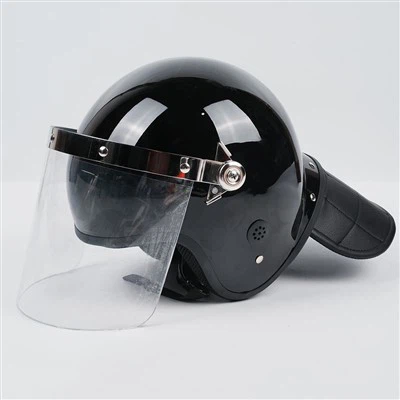
Protection from chemical threats has also seen new advancements, moving beyond simple rubberized coatings. Traditional riot suits rely on basic chemical-resistant fabrics to repel tear gas or pepper spray, but new designs use activated carbon linings that neutralize chemical agents before they reach the skin. These linings are thinner and more breathable than older chemical-resistant materials, a key upgrade because prolonged exposure to heat in heavy, airtight gear can be dangerous. Additionally, many anti riot armor products (viewable on our Anti Riot Armor page) now include modular face shields with anti-fog coatings and scratch-resistant polycarbonate, which is critical for visibility during protests where smoke or chemical agents are present. A fogged visor can lead to missteps or missed cues from team leaders, so these new coatings have directly improved officer safety in dynamic environments. We’ve also noticed a shift towards non-reflective materials in riot control uniform (see our Riot Control Uniform page), which reduces the chance of officers being identified as targets in large crowds—a small but important detail that has reduced targeted attacks on law enforcement during civil unrest.
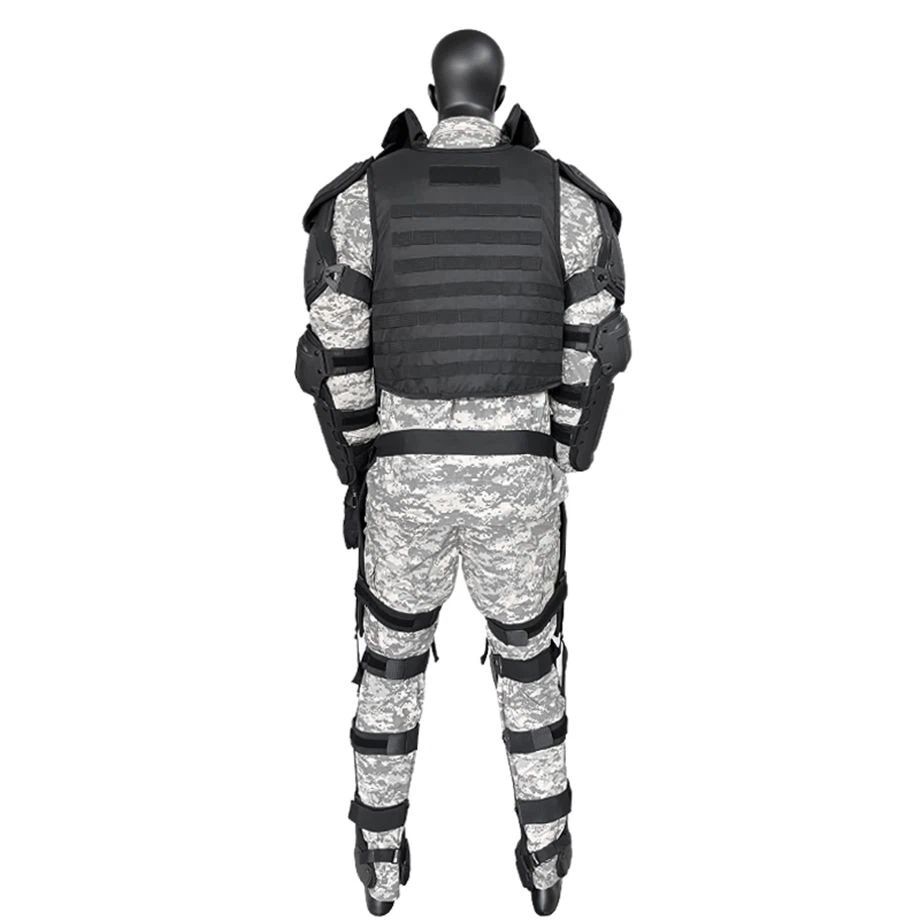
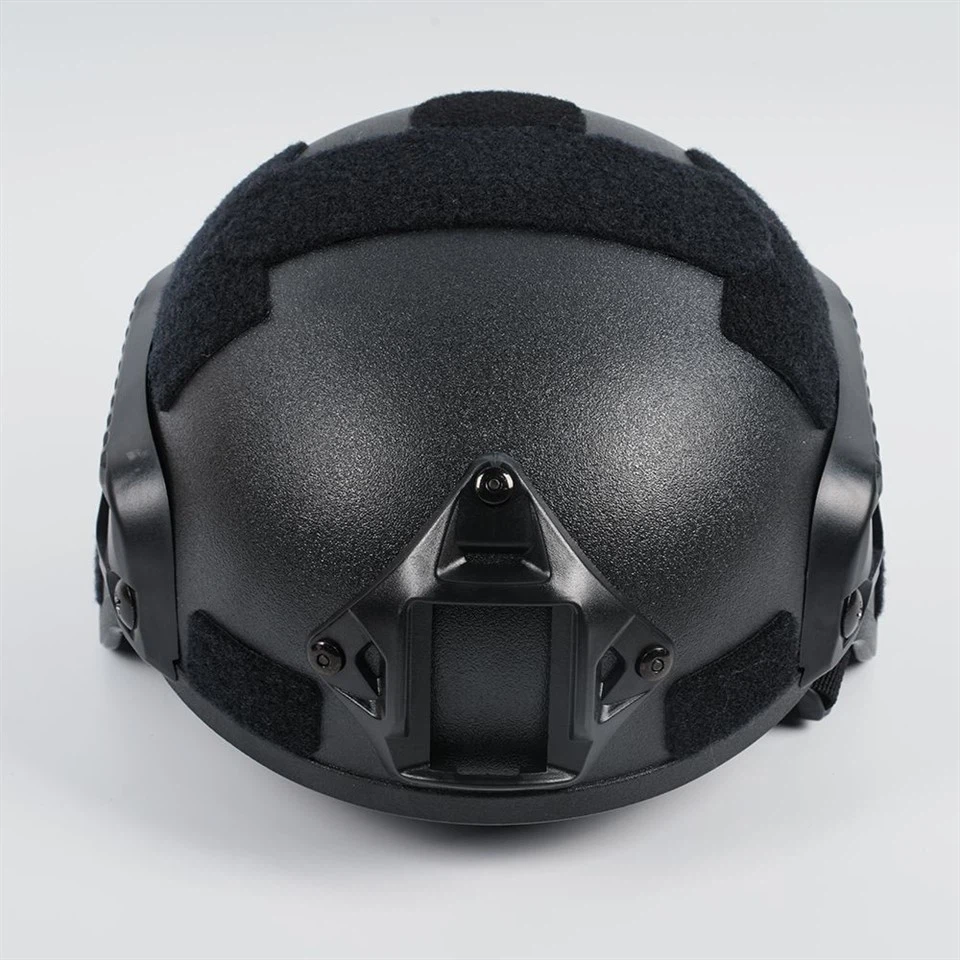
Of course, these innovations don’t exist in a vacuum; they’re rooted in rigorous testing and feedback from the professionals who use the gear every day. As a supplier, we don’t just sell equipment—we collaborate with tactical teams to understand their challenges, whether that’s operating in dense urban areas, responding to wildfires with evacuation protests, or managing large-scale events like political rallies. For example, a few years ago, a department in California approached us about riot suits that could also provide heat resistance during deployments alongside wildfire evacuations. We worked with material scientists to develop a suit with a thin, heat-resistant outer layer that could withstand temperatures up to 500 degrees Fahrenheit, a modification that has since been adopted by teams in fire-prone regions across the country. This kind of custom, feedback-driven innovation is what sets modern riot suit design apart; it’s not about chasing the latest tech for tech’s sake, but about solving real problems for officers on the ground.
Looking ahead, the next wave of riot suit technology is even more promising. We’re currently testing smart fabrics that can adjust their rigidity based on impact—so they’re flexible during normal movement and harden instantly when a blunt force is detected. There’s also research into self-healing materials, where small tears or punctures in the suit’s fabric can repair themselves in minutes, extending the gear’s lifespan and reducing downtime between deployments. Another area of development is drone-integrated gear, where suits could include small, lightweight mounts for cameras that sync with overhead drone footage, giving officers a 360-degree view of the crowd without putting themselves at risk. These advancements are still in the prototype phase, but they’re built on the foundation of the materials and modular designs we’ve already refined.
For law enforcement agencies, investing in these new technologies isn’t just a matter of upgrading equipment—it’s a commitment to officer safety and operational efficiency. The days of one-size-fits-all, heavy, restrictive riot suits are largely behind us, replaced by gear that balances protection, mobility, and functionality. As a supplier, we’re proud to be part of this evolution, working with teams to access the latest innovations and ensure they have the tools to protect both themselves and the communities they serve.
If your department is looking to upgrade or replace riot gear, or if you’d like to learn more about our latest designs, we encourage you to get in touch to discuss your operational needs.
References:
- National Institute of Justice. (2022). "Advances in Personal Protective Equipment for Law Enforcement: Riot Suit Design and Testing." U.S. Department of Justice.
- Smith, J. et al. (2023). "High-Performance Composite Materials in Tactical Gear: Reducing Weight While Maintaining Impact Resistance." Journal of Public Safety Equipment Technology, 18(2), 45-62.
- International Association of Chiefs of Police. (2021). "Officer Wellness in Riot Control Operations: The Role of Integrated Sensory Gear." ICP Research Report.
- Miller, L. (2024). "Modular Riot Suits: Customization and Operational Effectiveness in Urban and Rural Disturbances." Tactical Gear Review, 12(1), 19-31.