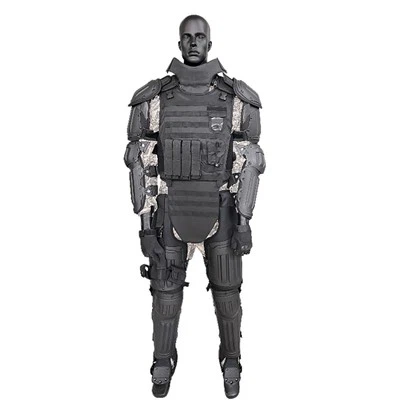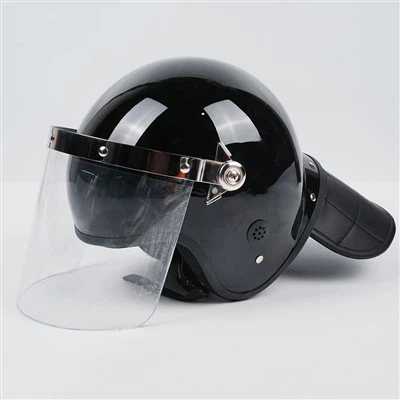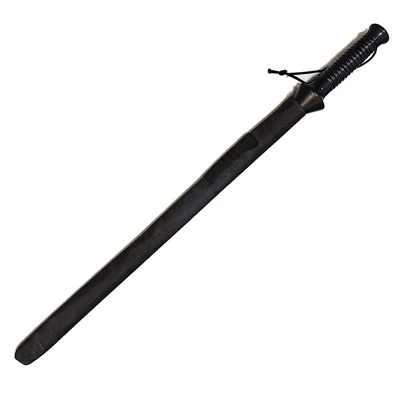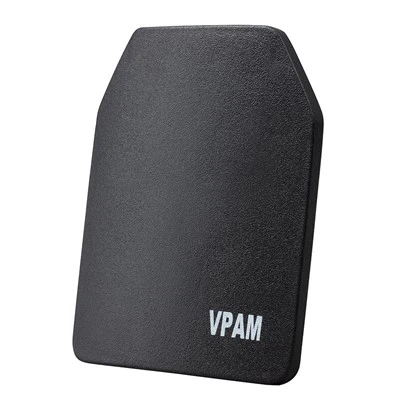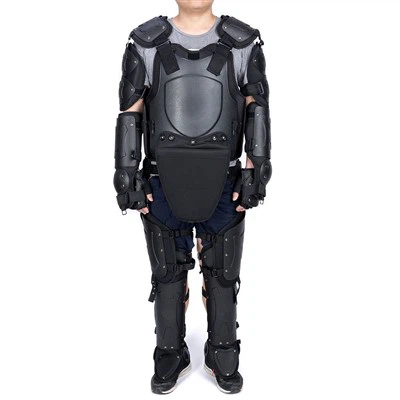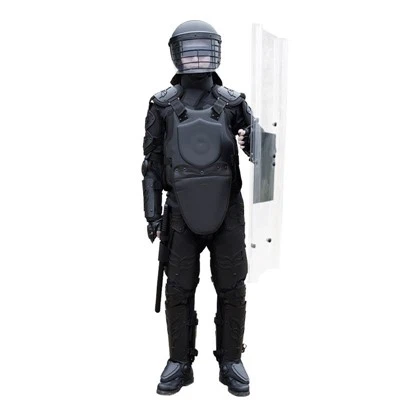
As a leading supplier of anti-riot gear, I am often asked about the materials used in the production of these essential items. Anti-riot gear is designed to protect law enforcement officers and security personnel from a variety of threats during riot control situations. The choice of materials is crucial in ensuring the effectiveness and durability of the equipment. In this blog post, I will explore the different materials commonly used to make anti-riot gear and their properties.
1. Polycarbonate
Polycarbonate is a high-performance thermoplastic polymer known for its exceptional strength, transparency, and impact resistance. It is widely used in the manufacturing of anti-riot shields and visors.
- Shields: Anti-riot shields made from polycarbonate can withstand high-velocity impacts from projectiles such as rocks, bottles, and bricks. The material's ability to maintain its integrity under stress ensures that officers are protected from direct hits. Additionally, polycarbonate shields are lightweight, which reduces fatigue during long deployments. For example, our Police Anti Riot Equipment includes polycarbonate shields that are designed to provide reliable protection.
- Visors: Visors made of polycarbonate are an essential part of riot helmets. They offer clear visibility while protecting the face from flying debris, chemicals, and blows. The scratch-resistant coating on polycarbonate visors helps to maintain clarity over time, even in harsh environments.
2. Kevlar
Kevlar is a synthetic fiber that is five times stronger than steel on an equal weight basis. It is well - known for its use in bulletproof vests, but it also plays a significant role in anti-riot gear.
- Vests: Anti Riot Vest made with Kevlar provide protection against stabbing and impact injuries. The interwoven fibers of Kevlar absorb and disperse the energy of a penetrating object, reducing the risk of injury to the wearer. In riot situations, vests may be exposed to sharp objects carried by rioters, and Kevlar offers reliable protection.
- Gloves and Helmets: Kevlar is also used in the construction of anti - riot gloves and helmets. Gloves with Kevlar reinforcement protect the hands from cuts and abrasions, while helmets with Kevlar components can enhance the overall impact resistance of the headgear.
3. High - Density Polyethylene (HDPE)
High - density polyethylene is a durable and lightweight plastic material. It has excellent chemical resistance and is easy to mold into various shapes, making it suitable for many anti - riot gear applications.
- Body Armor and Shin Guards: HDPE is commonly used in the production of body armor and shin guards. These components are designed to protect the torso, legs, and other vulnerable areas from impacts. The lightweight nature of HDPE allows officers to move freely without being encumbered by heavy gear, while still providing effective protection. Our Police Riot Equipment often incorporates HDPE for these reasons.
- Helmet Shells: HDPE can be used to make the outer shells of riot helmets. The material's strength and ability to withstand impacts help to protect the head from blunt force trauma. It can also be customized with features such as ventilation holes to improve comfort for the wearer.
4. Nylon
Nylon is a versatile synthetic material that is known for its strength, abrasion resistance, and flexibility. It is commonly used in the construction of anti - riot uniforms and straps.
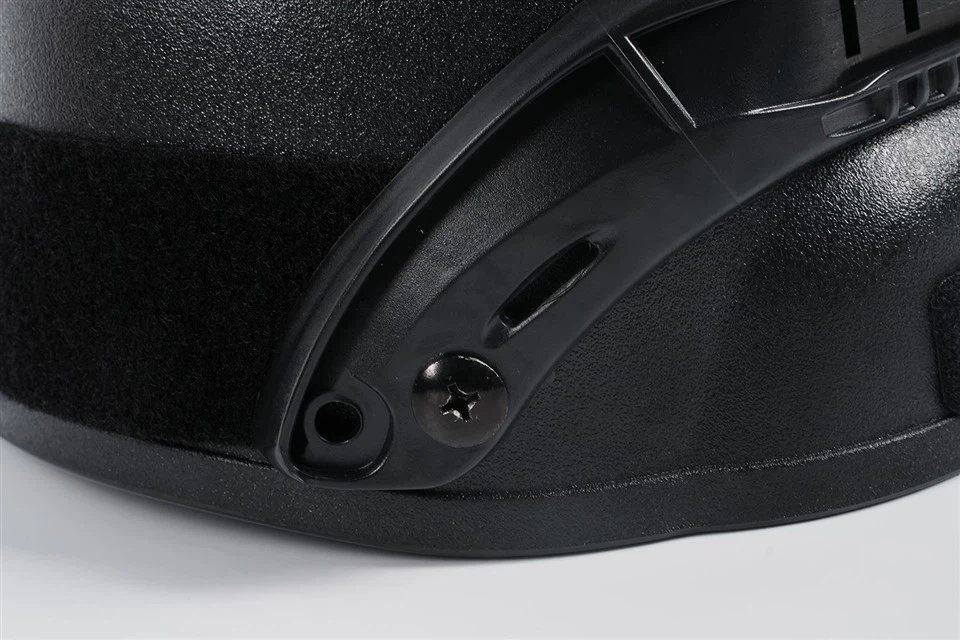
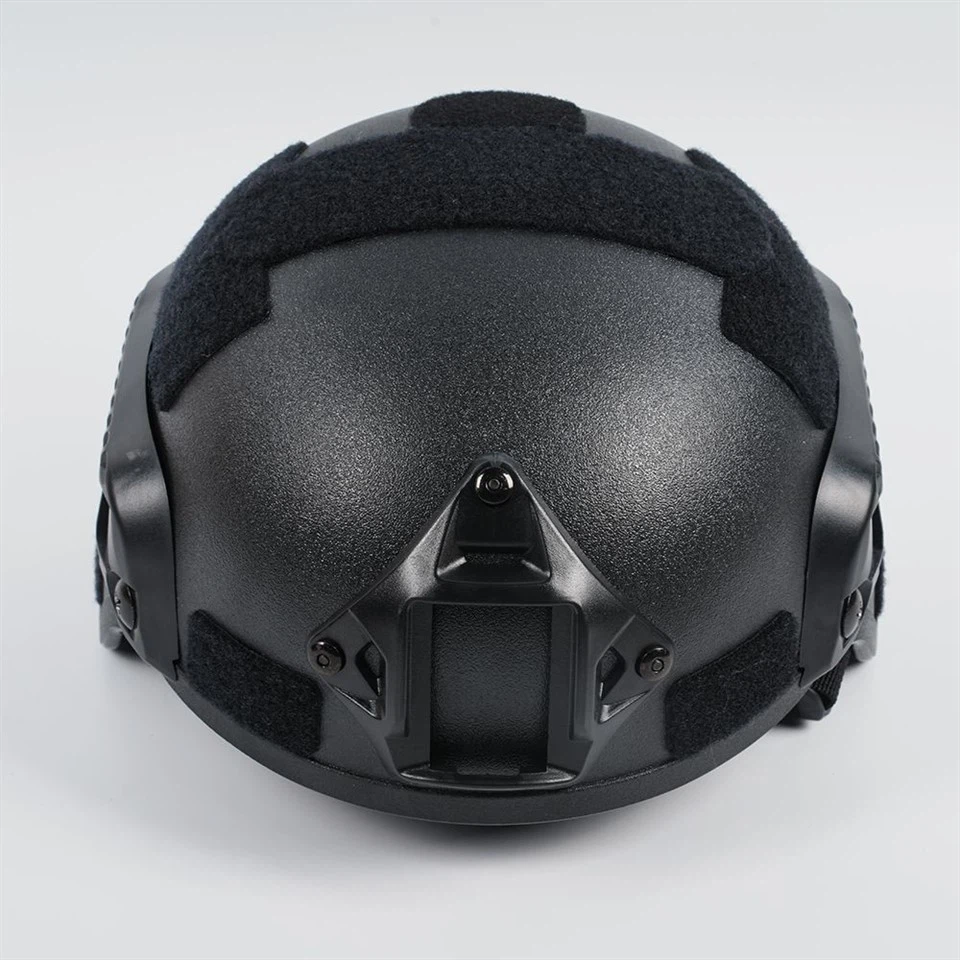
- Uniforms: Riot Control Uniform made from nylon are designed to withstand the rigors of a riot situation. The fabric is tear - resistant and can resist abrasions from contact with rough surfaces or objects. Additionally, nylon uniforms can be treated with water - repellent and flame - retardant finishes to enhance their performance.
- Straps and Fasteners: Nylon straps are used in various anti - riot gear items, such as helmets, vests, and shields. They provide a secure and adjustable fit, ensuring that the equipment stays in place during use. Nylon's flexibility allows it to conform to the body's movements, while its strength ensures long - lasting performance.
5. Steel and Aluminum
Metals such as steel and aluminum are also used in anti - riot gear, although they are often combined with other materials for optimal performance.
- Helmet Reinforcements: Some riot helmets use steel or aluminum reinforcements to increase their strength. These reinforcements are typically placed in critical areas of the helmet, such as the rim or the structural supports, to provide additional protection against impacts.
- Shield Frames: Aluminum is commonly used in the frames of anti - riot shields. It is lightweight yet strong enough to support the polycarbonate shield panel. The use of aluminum in the frame helps to reduce the overall weight of the shield, making it easier for officers to handle.
6. Rubber and Silicone
Rubber and silicone are used in anti - riot gear for their shock - absorbing and grip - enhancing properties.
- Handles: Rubber or silicone grips are often added to the handles of anti - riot shields and batons. These grips provide a secure hold, even when the hands are wet or sweaty, reducing the risk of the equipment slipping out of the officer's hands during use.
- Padding: Rubber and silicone padding are used in helmets, vests, and body armor to absorb impacts and provide additional comfort for the wearer. The padding helps to distribute the energy of an impact over a larger area, reducing the risk of injury.
Contact for Purchase and Consultation
If you are in need of high - quality anti - riot gear, we are here to assist you. Our team of experts can provide you with detailed information about our products, including the materials used, and help you choose the right equipment for your specific needs. Whether you are a law enforcement agency, a security firm, or any organization responsible for riot control, we can offer solutions that meet your requirements.
We understand the importance of reliable anti - riot gear in ensuring the safety and effectiveness of your personnel. Our products are designed and manufactured to the highest standards, using the best materials available. Reach out to us for a quote or to discuss your procurement needs further.
References
- "Materials for Personal Protective Equipment" by a leading research institute on protective gear.
- "Advanced Polymer Science for Anti - Riot Gear" in a well - known polymer science journal.