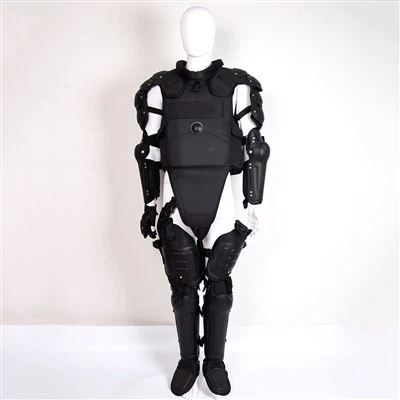
Hey there! As a supplier of Riot Control Suits, I often get asked about the range of motion allowed by these suits. It's a crucial question, especially for those who have to wear them during high - stress situations like riots. So, let's dive right into it.
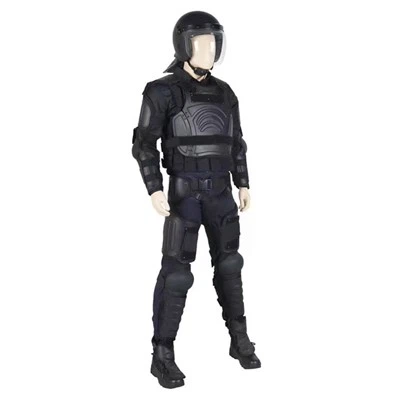
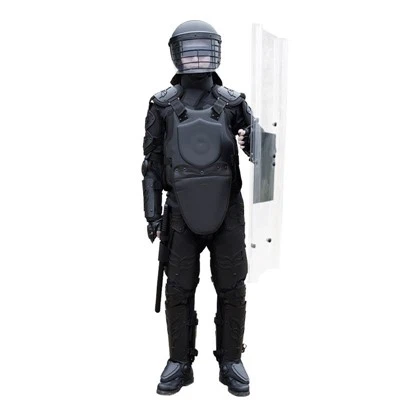
First off, a good Riot Control Suit is designed to strike a balance between protection and mobility. You can't have officers or security personnel wearing something that restricts their movement so much that they can't do their job effectively. At the same time, the suit has to offer adequate protection against various threats, such as blunt force trauma from objects thrown during a riot, and even some level of protection from sharp objects.
Let's talk about the different parts of the suit and how they affect range of motion. The torso section, which includes the Anti Riot Vest, is usually made of a combination of hard and soft materials. The hard plates are there to protect vital organs, but they can potentially limit movement if not designed properly. However, modern vests are engineered to contour to the body, allowing for a wide range of motion in the upper body. You can still bend, twist, and reach without feeling like you're in a straight - jacket. For example, when an officer needs to grab an object on the ground or reach up to break up a scuffle, the vest shouldn't impede those movements.
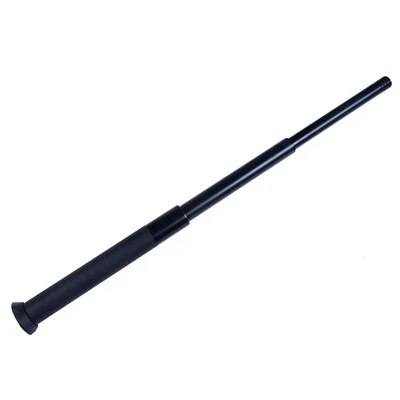
The arm protection in a Riot Control Suit is another important aspect. It typically consists of padded sleeves that cover the forearms and upper arms. These sleeves are flexible enough to allow for full arm movement, including raising the arms above the head, swinging the arms for self - defense, or using hand - held equipment like batons. The padding is designed to absorb impact, but it doesn't sacrifice mobility. You can still perform tasks like opening doors, pushing through crowds, or signaling to other officers without any major restrictions.
Moving on to the leg protection. The Police Riot Suit usually comes with knee pads and shin guards. These are essential for protecting the lower extremities from kicks, strikes, and falling objects. But again, they are designed to be flexible. You can still walk, run, crouch, and kneel without much difficulty. When an officer needs to chase a suspect or take a defensive position on the ground, the leg protection won't slow them down.
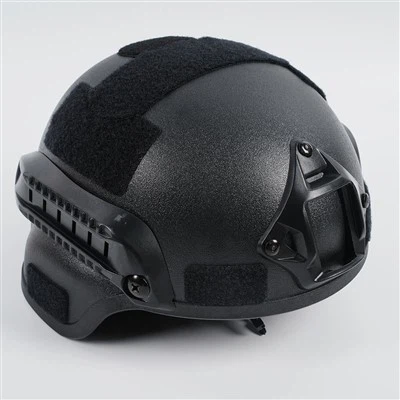
The headgear in a Riot Control Suit also plays a role in range of motion. A good riot helmet should fit well and not be too heavy or bulky. It should allow for a full range of head movement, including looking up, down, and to the sides. This is important for officers to be aware of their surroundings at all times. The visor on the helmet is usually made of a strong, transparent material that doesn't obstruct vision and doesn't limit the ability to turn the head.
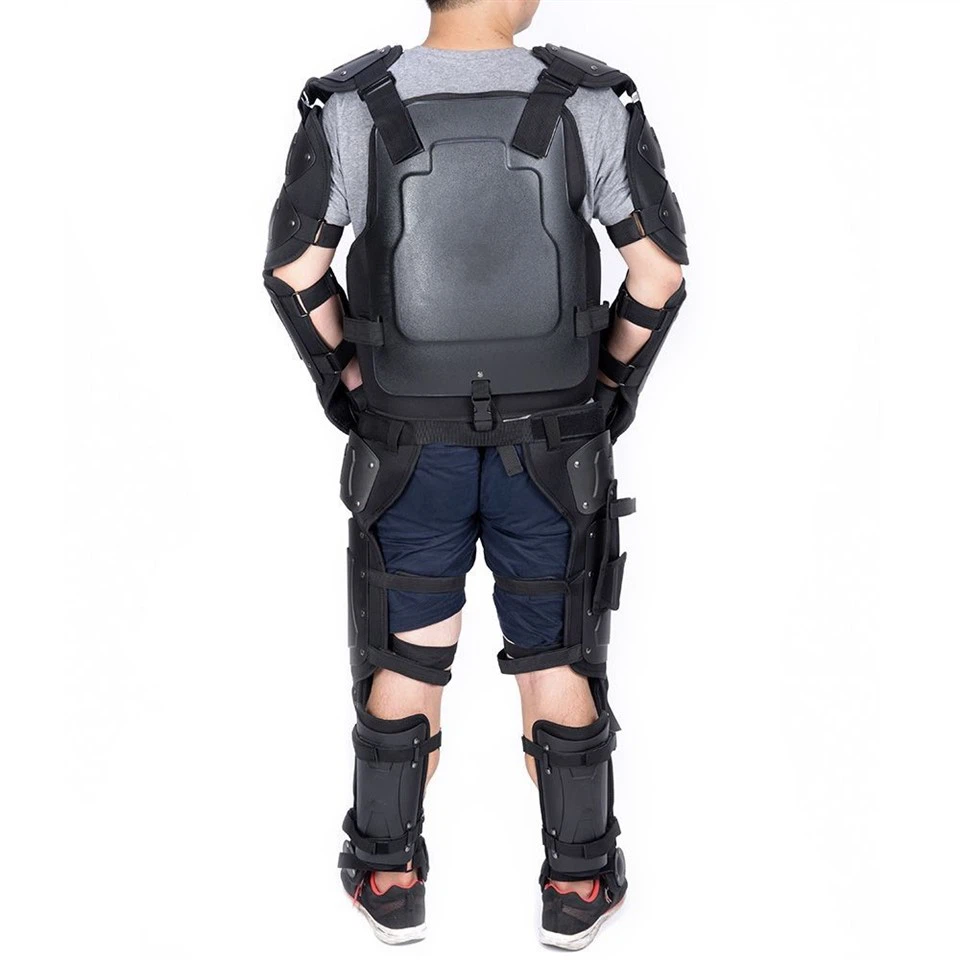
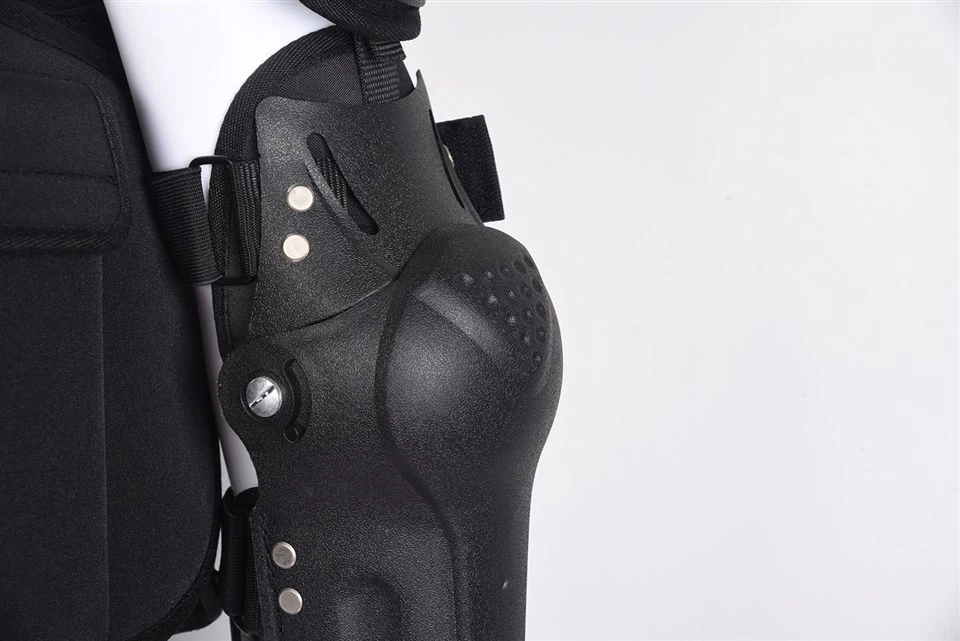
Now, let's consider the overall design of the Riot Control Uniform. It's not just about the individual components; it's about how they all work together. A well - designed suit will have adjustable straps and fasteners. This allows the wearer to customize the fit of the suit, ensuring that it's not too tight or too loose. A proper fit is key to maximizing range of motion. If the suit is too tight, it will restrict movement, and if it's too loose, it can get in the way and cause distractions.
In addition to the physical design, the materials used in the suit also impact range of motion. Lightweight and breathable materials are preferred. They not only make the suit more comfortable to wear for long periods but also contribute to better mobility. For example, some suits use high - tech fabrics that are both strong and flexible. These fabrics can stretch and move with the body, allowing for a more natural range of motion.
Another factor to consider is the training of the personnel wearing the suits. Even the most well - designed Riot Control Suit may seem restrictive if the wearer isn't used to it. Proper training can help officers and security personnel get used to the feel of the suit and learn how to move effectively while wearing it. Training exercises can focus on using the full range of motion allowed by the suit, such as practicing different combat stances, running drills, and performing tasks that require quick movements.
When it comes to comparing different Riot Control Suits on the market, it's important to look at the range of motion as a key factor. Some suits may offer more protection but at the cost of mobility, while others may prioritize mobility but sacrifice some level of protection. As a supplier, we strive to offer suits that provide the best of both worlds. Our suits are designed based on extensive research and feedback from law enforcement and security professionals. We understand the importance of having a suit that allows for a wide range of motion while still offering top - notch protection.
If you're in the market for Riot Control Suits, whether you're a law enforcement agency, a security firm, or an organization that needs to deal with potential riots or civil unrest, we'd love to have a chat with you. We can discuss your specific needs, show you our range of products, and help you find the suit that offers the perfect balance of protection and mobility. Contact us to start the procurement process and let's work together to keep your personnel safe and effective in high - stress situations.
References
- Industry reports on riot control equipment design and functionality
- Interviews with law enforcement and security professionals regarding the use of riot control suits