In the realm of safety and protective equipment, riot suits and hazmat suits serve distinct yet crucial purposes. As a reliable supplier of riot suits, I've witnessed firsthand the differences between these two types of protective gear. This blog aims to delve into the disparities between a riot suit and a hazmat suit, highlighting their unique features, applications, and design considerations.
Design and Construction
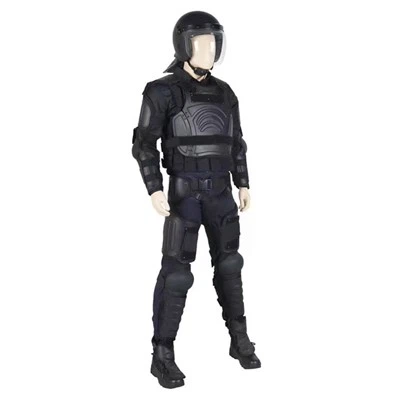
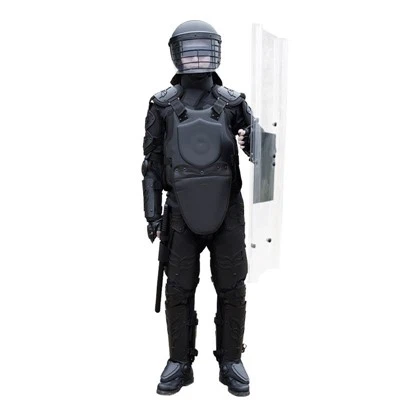
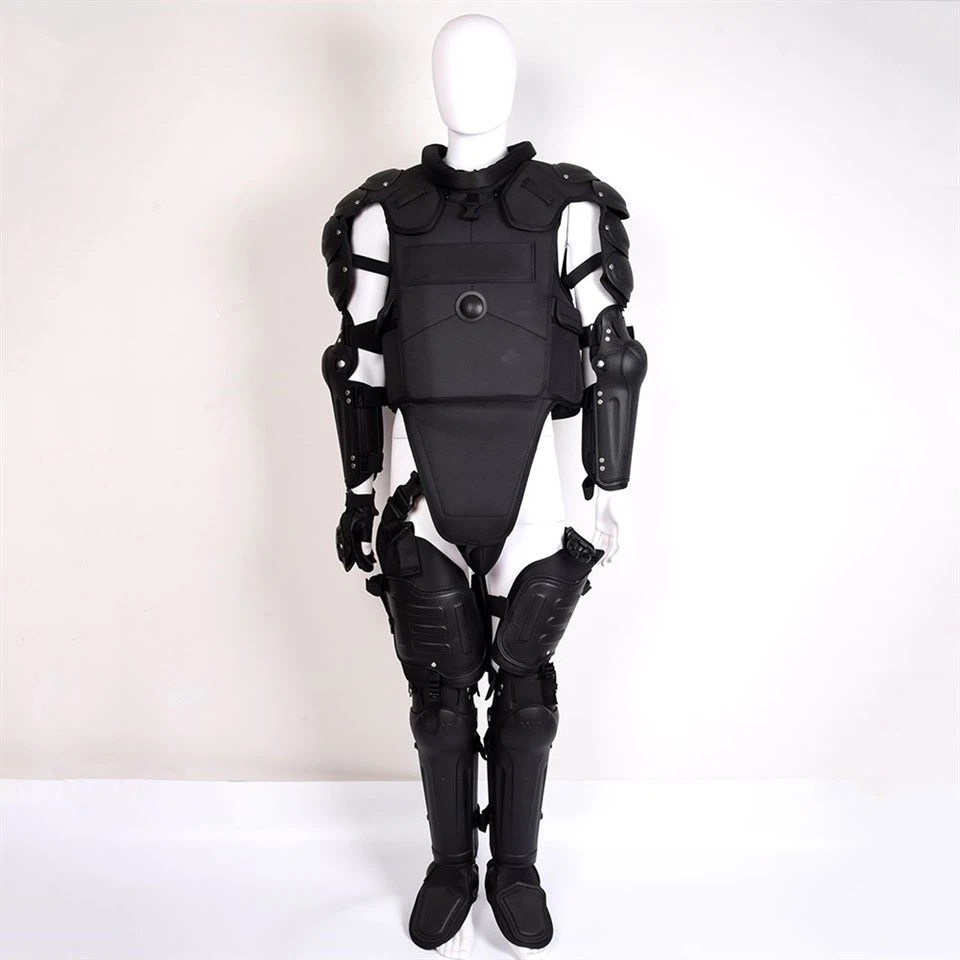
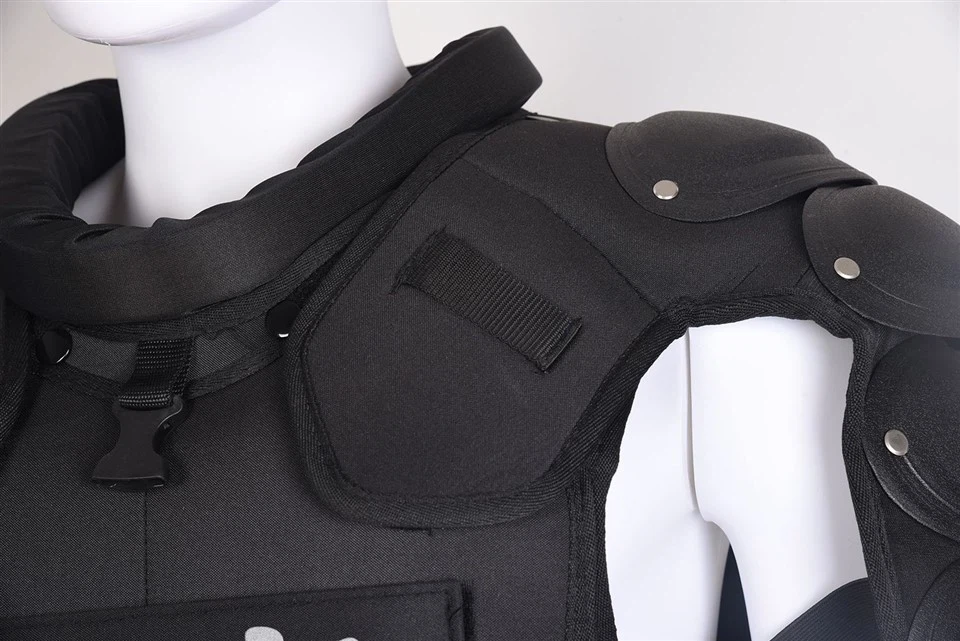
Riot suits are engineered to safeguard law enforcement officers and security personnel during riot control and civil unrest situations. These suits are crafted from durable materials such as high - density polyethylene, Kevlar, and nylon. The construction is focused on providing maximum impact resistance. The outer layer is often reinforced with hard plastic plates at key areas like the chest, back, shoulders, elbows, knees, and shins. These plates are designed to absorb and disperse the force of projectiles, including stones, bottles, and batons.
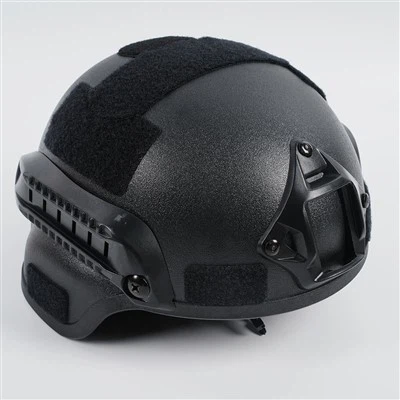
The suit is typically designed to be flexible, allowing for a wide range of motion. This is essential as officers need to move quickly, run, and perform various physical tasks during a riot. The joints are articulated to ensure that bending and stretching do not cause any restriction. Most riot suits also come with a helmet, which is an integral part of the protective ensemble. The helmet is usually made of a strong plastic material and has a visor to protect the face from projectiles and chemical sprays.
On the other hand, hazmat suits, short for hazardous materials suits, are designed to protect the wearer from exposure to dangerous chemicals, biological agents, and radioactive substances. These suits are made from specialized materials that are impermeable to hazardous substances. The most common materials used are Tyvek, which is a lightweight, non - woven polyethylene material, and PVC (polyvinyl chloride) for more heavy - duty applications.
Hazmat suits are designed to create a sealed environment around the wearer. They often have a full - body coverage, including a hood, gloves, and boots that are all attached to the main suit to prevent any gaps where contaminants could enter. The suit is usually sealed with zippers that are also designed to be airtight, and in some cases, additional tape is used to reinforce the seals.
Function and Application
Riot suits are primarily used in law enforcement and security operations. When there is a large - scale public disturbance, such as protests that turn violent, or riots, police officers and security forces wear riot suits to protect themselves while maintaining order. The main function of a riot suit is to prevent physical injuries from impacts, cuts, and abrasions. For example, during a protest where demonstrators throw rocks or use makeshift weapons, the riot suit will absorb the impact and protect the officer's body.
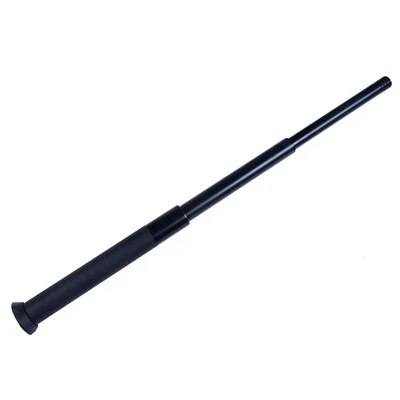
The Anti Riot Uniform and Anti Riot Gear we offer at our company are designed to meet the highest standards of protection for law enforcement. Our Police Riot Suit is a prime example of our commitment to providing reliable protective equipment.
Hazmat suits, in contrast, are used in a variety of industries, including emergency response, chemical manufacturing, and scientific research. In emergency response situations, such as a chemical spill or a biological contamination event, hazmat suits are worn by first responders to safely handle the situation without being exposed to the hazardous materials. In chemical manufacturing plants, workers wear hazmat suits to protect themselves from accidental spills or leaks of toxic chemicals. In scientific research, especially in laboratories dealing with dangerous pathogens, researchers wear hazmat suits to prevent contamination.
Comfort and Mobility
Riot suits, while providing excellent protection, can be quite heavy and bulky. The hard plastic plates and multiple layers of material add to the weight, which can make it tiring for the wearer, especially during long - duration operations. However, modern riot suits are designed to balance protection and comfort. They often have padding on the inside to reduce pressure points and are made with breathable materials to allow air circulation.
Mobility is a key consideration in riot suit design. Officers need to be able to move freely, perform physical tasks, and even run if necessary. The articulation of the joints in the suit helps to ensure that movement is not restricted. Despite these design features, the overall bulk of the suit can still limit some extremely rapid or complex movements.
Hazmat suits are also designed with comfort in mind, but the requirements are different. Since the main goal is to create a sealed environment, comfort often takes a backseat to protection. Hazmat suits can be hot and stuffy, especially when worn for long periods. To address this, some hazmat suits are equipped with cooling systems or ventilation devices.
Mobility in hazmat suits can be more restricted compared to riot suits. The sealed nature of the suit and the need to ensure that the seals remain intact can limit the range of motion. For example, bending and reaching may be more difficult, and running is often not practical due to the additional weight and the need to maintain the integrity of the suit.
Maintenance and Durability
Riot suits require regular maintenance to ensure their effectiveness. After each use, the suit should be inspected for any signs of damage, such as cracks in the plastic plates or tears in the fabric. Minor damages can often be repaired, but if the damage is severe, the suit may need to be replaced. The suit should also be cleaned regularly to remove dirt, debris, and any chemicals that may have come into contact with it.
Riot suits are generally quite durable. The high - quality materials used in their construction can withstand multiple uses and impacts. However, over time, the materials may degrade, especially if they are exposed to harsh environmental conditions or chemicals.
Hazmat suits, on the other hand, are often designed for single - use or limited - use applications. This is because once a hazmat suit has been exposed to hazardous materials, it can be difficult to decontaminate completely. If the suit is reused, there is a risk of residual contaminants being released, which can pose a threat to the wearer.
When it comes to durability, hazmat suits need to maintain their integrity throughout the period of use. They should not tear or puncture easily, as this could lead to exposure to the hazardous substances. Special care is taken during the manufacturing process to ensure that the materials are strong and the seals are reliable.
Cost
The cost of a riot suit can vary depending on the quality, brand, and features. High - end riot suits with advanced protection features and comfortable designs can be relatively expensive. However, considering the long - term use and the level of protection they provide, they are a worthwhile investment for law enforcement agencies and security companies.
Hazmat suits can also vary in cost. Single - use hazmat suits are generally less expensive than reusable ones. Reusable hazmat suits with advanced features such as built - in cooling systems or high - level protection against multiple types of hazards can be quite costly. The cost also depends on the level of protection required by the application.
Conclusion
In conclusion, the differences between a riot suit and a hazmat suit are significant. Riot suits are designed for physical protection during civil unrest and law enforcement operations, while hazmat suits are focused on protecting the wearer from exposure to hazardous substances. Each type of suit has its own unique design, function, comfort, maintenance, and cost considerations.
If you are in the market for high - quality riot suits, we are here to assist you. Our company is dedicated to providing reliable and effective protective equipment for law enforcement and security personnel. Whether you need a basic Anti Riot Uniform or a more advanced Police Riot Suit, we have the products to meet your needs. Contact us to discuss your requirements and start a procurement process that will ensure the safety of your personnel.
References
- ASTM International. (20XX). Standards for protective clothing.
- National Institute for Occupational Safety and Health (NIOSH). (20XX). Guidelines for hazardous materials protection.
- International Association of Chiefs of Police (IACP). (20XX). Best practices for riot control equipment.