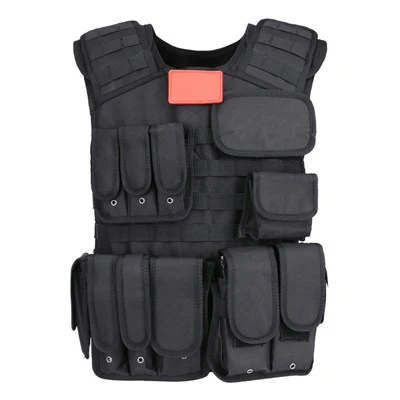
Breathability is a crucial factor to consider when it comes to aramid bulletproof vests. As a supplier of high - quality aramid bulletproof vests, I understand the significance of this feature and how it impacts the overall performance and user experience of these essential protective gears.
The Basics of Aramid Bulletproof Vests
Aramid is a synthetic fiber known for its excellent strength - to - weight ratio and high heat resistance. When used in bulletproof vests, aramid fibers are woven tightly together to form layers. These layers are designed to absorb the impact energy of a bullet, spreading it out over a large area and preventing the bullet from penetrating the body.
The most common type of aramid fiber used in bulletproof vests is Kevlar. Kevlar was first developed by DuPont in the 1960s and has since become a staple material in the body armor industry due to its outstanding ballistic protection capabilities. Other aramid fibers, such as Twaron, are also used and offer similar performance characteristics.
Why Breathability Matters
Wearing a bulletproof vest can be incredibly uncomfortable, especially during extended periods of use. When a person is wearing a non - breathable vest, their body builds up heat and moisture. This leads to a feeling of being hot and sticky, which can cause discomfort and distraction. In extreme cases, it can even contribute to heat - related illnesses, such as heat exhaustion or heatstroke.
For law enforcement officers, military personnel, and security guards who rely on bulletproof vests for their safety, discomfort can be more than just a nuisance. It can affect their focus, decision - making abilities, and physical performance, which are all critical in high - stress situations. Therefore, a bulletproof vest with good breathability can significantly improve the wearer's comfort and functionality on the job.
Factors Affecting the Breathability of Aramid Bulletproof Vests
1. Material Construction
The way the aramid fibers are woven and the overall construction of the vest play a major role in its breathability. Traditional aramid vests are made up of densely packed layers of fiber, which can restrict air circulation. However, modern manufacturing techniques have allowed for the development of more breathable fabric structures.
Some manufacturers use a perforated or mesh - like design in the aramid layers. These small holes or mesh patterns allow air to flow through the vest, facilitating heat and moisture transfer. For example, a vest with a perforated outer layer can enable fresh air to enter and hot, humid air to escape, keeping the wearer cooler.
2. Outer Shell Material
The outer shell of the bulletproof vest also impacts its breathability. A high - quality outer shell material should be not only durable and resistant to abrasion but also breathable. Some common outer shell materials include nylon, polyester, and their blends.
Nylon is known for its durability and strength, but it can vary in terms of breathability. Some nylon fabrics are treated to be more breathable, with special coatings or finishes that enhance air permeability. Polyester, on the other hand, can be a good choice as it has moisture - wicking properties, which help draw sweat away from the body.
3. Moisture Management
Effective moisture management is key to a breathable bulletproof vest. When a person sweats while wearing a vest, the sweat needs to be quickly removed from the body to prevent the build - up of moisture. In addition to outer shell materials with moisture - wicking capabilities, some vests are equipped with internal liners that help with moisture control.
These liners are often made of materials like Coolmax or other synthetic fibers that are designed to move sweat to the outer surface of the vest, where it can evaporate more easily. This process helps to keep the wearer dry and comfortable, even in hot and humid conditions.
Comparing Breathability with Other Types of Bulletproof Vests
1. Uhmwpe Bulletproof Vest
Ultra - high - molecular - weight polyethylene (UHMWPE) bulletproof vests have different breathability characteristics compared to aramid vests. UHMWPE is a lightweight and strong material, and vests made from it can be designed to have good air circulation.
However, UHMWPE vests may require more sophisticated ventilation systems. Since UHMWPE fibers are less rigid than aramid fibers in some cases, the overall structure of the vest needs to be engineered carefully to ensure proper airflow while maintaining the necessary ballistic protection.
2. Ballistic Vest Nij IIIA
NIJ IIIA ballistic vests, which can be made from either aramid or UHMWPE, are designed to meet specific ballistic performance standards set by the National Institute of Justice in the United States. These vests provide a high level of protection against a wide range of ammunition.
When it comes to breathability, the construction of the vest matters greatly. Aramid - based NIJ IIIA vests may face challenges due to the need for multiple layers of material for high - level protection. However, through advanced manufacturing techniques, manufacturers can design more breathable NIJ IIIA vests, such as those with strategic ventilation channels or perforated layers.
Improving Breathability in Aramid Bulletproof Vests
1. Design Innovations
One way to enhance breathability is through innovative design. Some vests feature adjustable straps and vents. Adjustable straps allow the wearer to customize the fit of the vest, which can improve air circulation. For example, loosening the straps slightly at certain points can create gaps that let air flow in and out more freely.
Vents, whether located on the sides, back, or chest of the vest, act as channels for air to enter and exit the vest. These vents can be unidirectional or bidirectional, depending on the design, and are often covered with breathable mesh materials to prevent debris from entering while still allowing air to pass through.
2. Advanced Materials
The use of advanced materials in the construction of aramid bulletproof vests can also improve breathability. For instance, some new aramid fibers are being developed with improved moisture - wicking properties right within the fibers themselves. This means that the base material of the vest is better at handling sweat and heat transfer.
In addition, the outer shell materials are constantly evolving. New fabrics are being engineered to be both highly breathable and incredibly durable, ensuring that the vest can withstand the rigors of daily use while keeping the wearer comfortable.
Customer Considerations
When choosing an aramid bulletproof vest, customers should consider their specific needs and usage scenarios. For those who work in hot climates or physically demanding environments, breathability should be a top priority.
Customers can look for features such as perforated layers, moisture - wicking liners, and well - designed ventilation systems when purchasing a vest. It is also important to ensure that the chosen vest meets the necessary ballistic protection standards, such as those set by the NIJ or other relevant international standards.
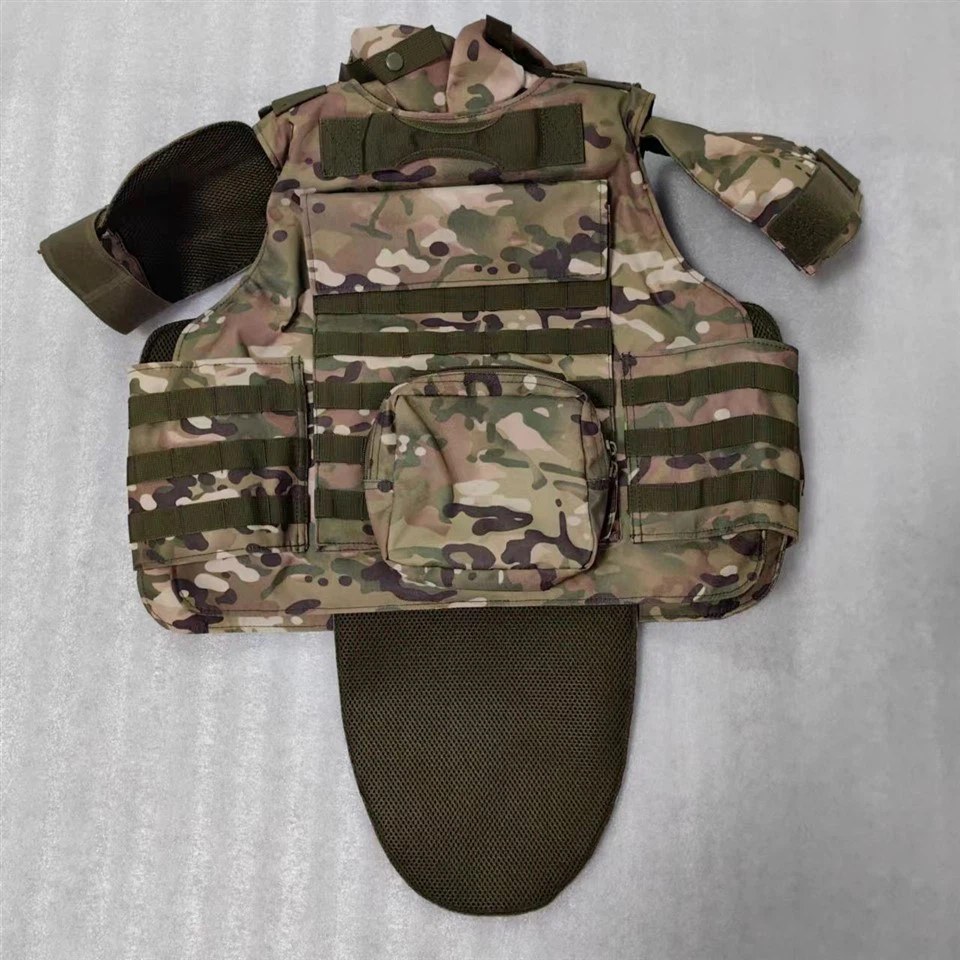

If you are in the market for a reliable and breathable aramid bulletproof vest, or any other type of body armor such as Camouflage Bulletproof Vest, Bulletproof Plate Carrier, Concealed Body Armor Vest, I encourage you to reach out. We are a trusted supplier committed to providing high - quality products that combine excellent ballistic protection with optimal breathability. Contact us today to discuss your requirements and explore our range of bulletproof vests tailored to your needs.
References
- Hale, R. K., & Hall, H. E. (2018). Ballistic Materials and Penetration Mechanics. Wiley.
- National Institute of Justice. (2019). NIJ Standard - 0101.06. Ballistic Resistance of Body Armor.
- White, D. M., & Roach, J. S. (2016). Advances in Protective Clothing Materials. Woodhead Publishing.