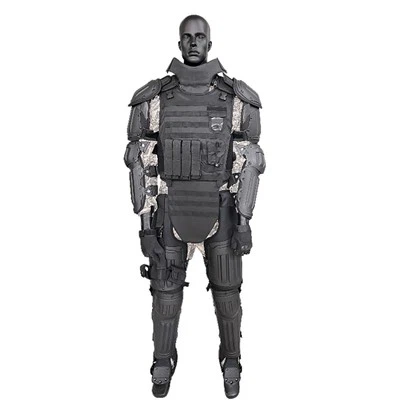
As a supplier of Riot Jacket, I've had the privilege of witnessing firsthand the crucial role these protective garments play in riot control and law enforcement scenarios. However, like any piece of equipment, riot jackets come with their own set of disadvantages. In this blog post, I'll delve into some of these drawbacks to provide a comprehensive understanding for potential buyers and users.
Limited Mobility
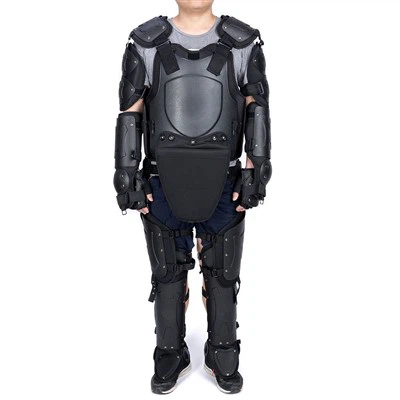
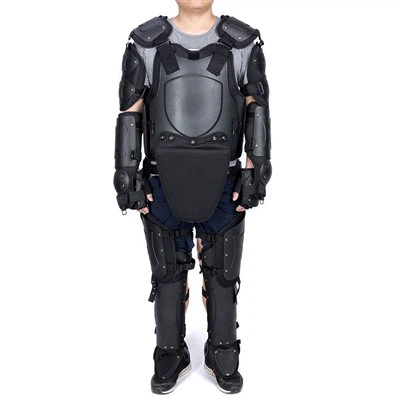
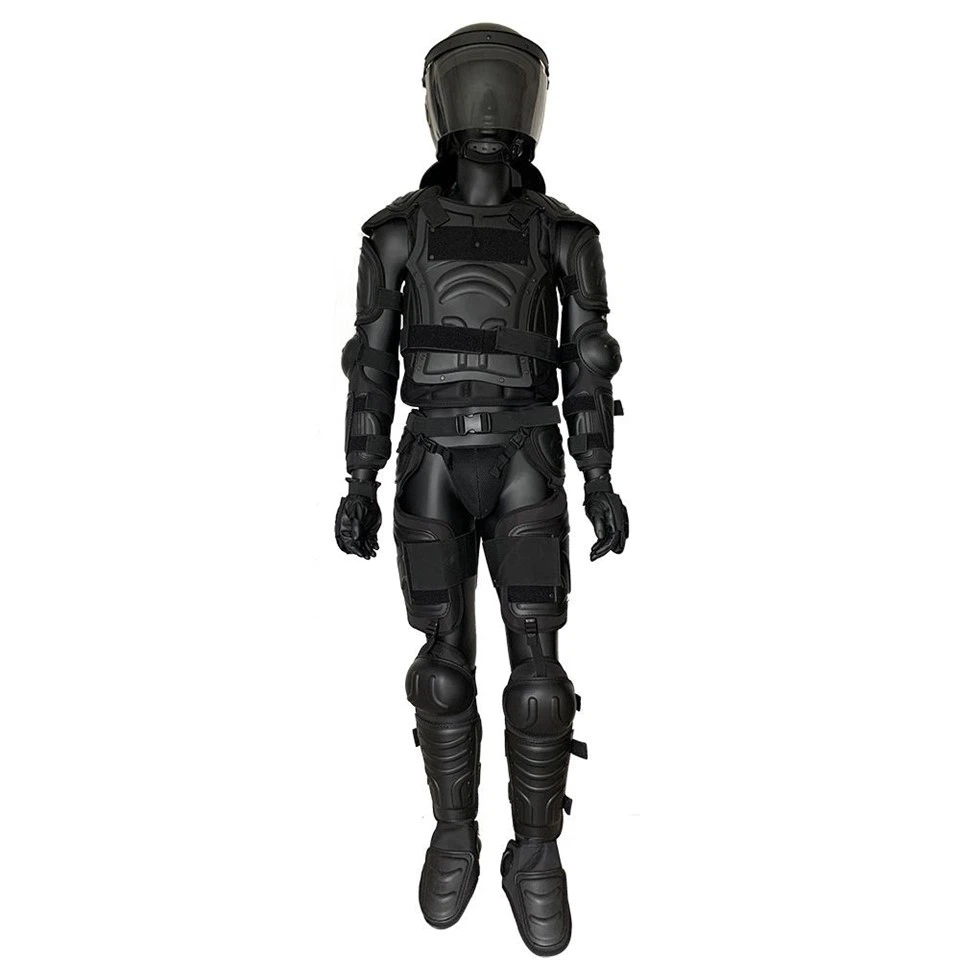
One of the most significant disadvantages of a riot jacket is the restriction it places on mobility. Riot jackets are designed to provide maximum protection against a variety of threats, including blunt force trauma, projectiles, and chemical agents. To achieve this level of protection, they are typically made from thick, rigid materials such as Kevlar, polyethylene, or high - density foam. While these materials are effective at absorbing and dissipating energy, they also make the jacket heavy and bulky.
Law enforcement officers and security personnel often need to move quickly and fluidly during a riot situation. They may need to run, climb, duck, and engage in physical altercations. Wearing a riot jacket can significantly impede these movements, slowing down response times and making it more difficult to perform critical tasks. The restricted range of motion can also increase the risk of injury, as officers may be more prone to trips, falls, and other accidents.
Heat and Discomfort
Another major drawback of riot jackets is the heat and discomfort they can cause. The thick materials used in their construction trap body heat, making it difficult for the wearer to stay cool. In addition, the tight fit of the jacket can restrict airflow, further exacerbating the problem. This can lead to excessive sweating, dehydration, and heat exhaustion, especially in hot and humid environments.
Heat stress can have a significant impact on an officer's performance and well - being. It can cause fatigue, dizziness, and impaired cognitive function, all of which can compromise their ability to make sound decisions and respond effectively to a riot situation. Prolonged exposure to heat can also lead to more serious health problems, such as heatstroke, which can be life - threatening.
Visibility and Communication
Riot jackets can also pose challenges in terms of visibility and communication. Many riot jackets are designed to be highly visible, with bright colors and reflective strips to help officers stand out in a crowd. However, the bulk of the jacket can still obstruct an officer's field of vision, making it difficult to see what is happening around them. This can be particularly dangerous in a riot situation, where officers need to be aware of potential threats from all directions.
In addition, the thick materials of the riot jacket can muffle sound, making it difficult for officers to communicate with each other. This can be a major problem during a riot, where clear and effective communication is essential for coordinating responses and ensuring the safety of all personnel involved. Officers may need to rely on alternative communication methods, such as hand signals or radios, which can be less reliable in a noisy and chaotic environment.
Cost and Maintenance
Riot jackets are often expensive to purchase and maintain. The high - quality materials and advanced technology used in their construction contribute to their high cost. For law enforcement agencies and security companies with limited budgets, the cost of outfitting their officers with riot jackets can be a significant financial burden.
In addition to the initial purchase price, riot jackets also require regular maintenance to ensure their continued effectiveness. They need to be cleaned, inspected, and repaired on a regular basis. The cleaning process can be time - consuming and may require specialized equipment and cleaning agents. Any damage to the jacket, such as tears or punctures, needs to be repaired immediately to maintain its protective capabilities. This can add to the overall cost of ownership over time.
False Sense of Security
Wearing a riot jacket can sometimes give officers a false sense of security. The knowledge that they are protected by a thick layer of armor may lead them to take unnecessary risks or engage in more aggressive behavior than they would otherwise. This can escalate a riot situation and increase the likelihood of violence and injury.
It's important to remember that while a riot jacket provides a certain level of protection, it is not invincible. There are still many threats that can penetrate the jacket, such as sharp weapons or high - velocity projectiles. Officers need to remain vigilant and use good judgment, regardless of the level of protection they are wearing.
Compatibility with Other Equipment
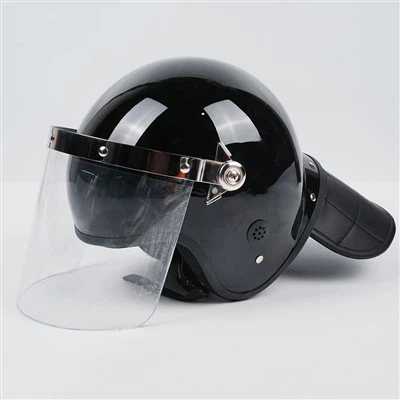
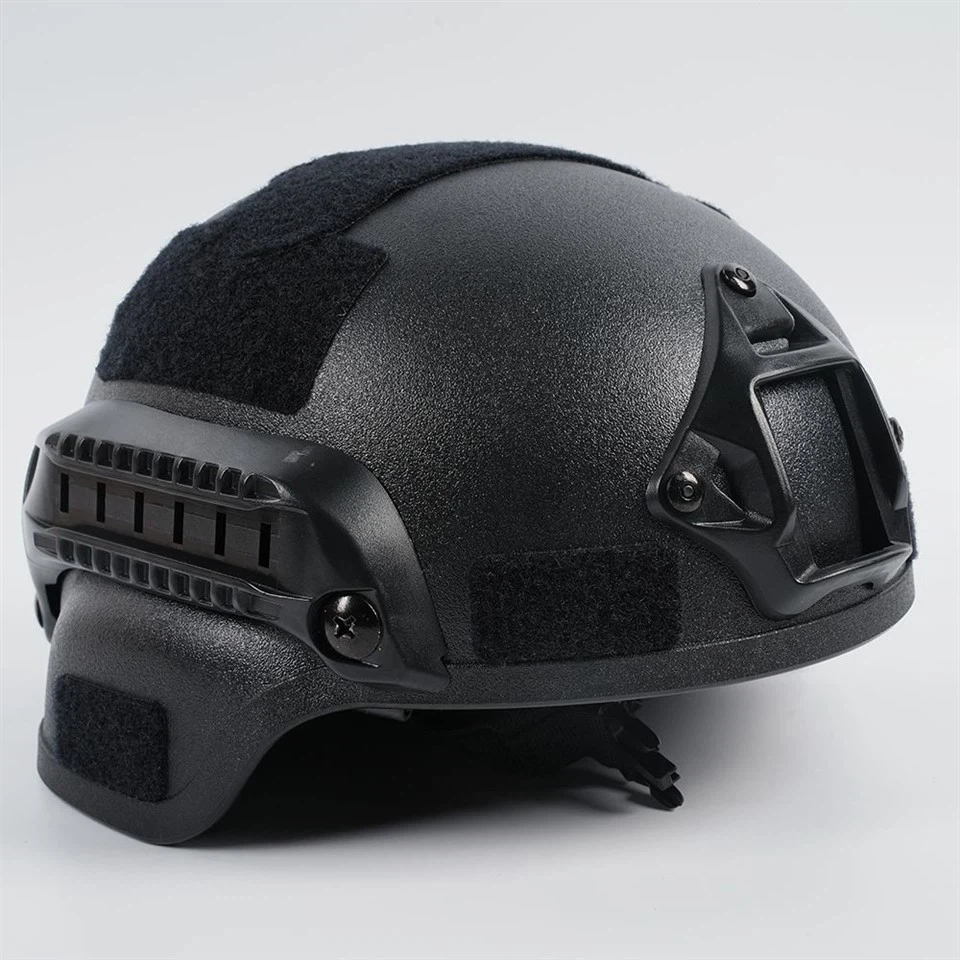
Riot jackets may not always be compatible with other pieces of equipment that officers need to wear or carry. For example, the bulk of the jacket can make it difficult to wear a backpack or carry other essential items. It can also interfere with the proper fit and function of other protective gear, such as helmets and gloves.
In addition, the design of the riot jacket may not be suitable for all types of law enforcement or security operations. Some jackets are specifically designed for riot control situations, while others may be more suitable for other types of missions. This lack of versatility can limit the usefulness of the jacket in certain scenarios.
Environmental Impact
The production and disposal of riot jackets can have a negative impact on the environment. The materials used in their construction, such as plastics and synthetic fibers, are often non - biodegradable and can take hundreds of years to break down. In addition, the manufacturing process can consume a significant amount of energy and resources, contributing to greenhouse gas emissions and other environmental problems.
When riot jackets reach the end of their useful life, they need to be disposed of properly. However, finding environmentally friendly ways to dispose of these jackets can be challenging. Many end up in landfills, where they can contribute to pollution and waste.
Conclusion
While riot jackets are an important tool for law enforcement and security personnel, they also come with a number of disadvantages. From limited mobility and heat discomfort to high costs and environmental impacts, these drawbacks need to be carefully considered before purchasing and using a riot jacket.
At the same time, it's important to note that the benefits of riot jackets often outweigh the disadvantages in many situations. They provide valuable protection against a variety of threats, helping to keep officers safe and reduce the risk of injury during riot control operations.
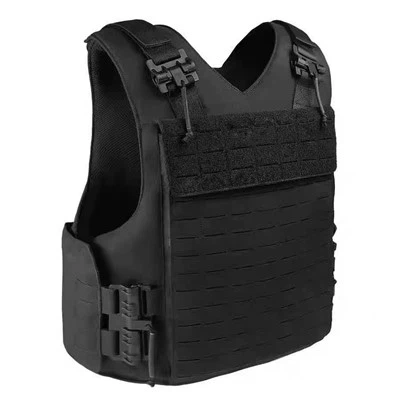
If you're interested in learning more about our Anti Riot Vest, Riot Control Suit, or other Police Riot Equipment including the Multi Curved Ballistic Plate, we encourage you to reach out to discuss your specific needs and requirements. We're here to help you find the best solutions for your organization.
References
- "Protective Gear in Riot Control: An Analysis of Benefits and Limitations." Journal of Law Enforcement Equipment.
- "The Impact of Heat Stress on Law Enforcement Officers Wearing Protective Gear." International Journal of Occupational Safety and Health.
- "Environmental Considerations in the Production and Disposal of Police Equipment." Environmental Science and Technology.