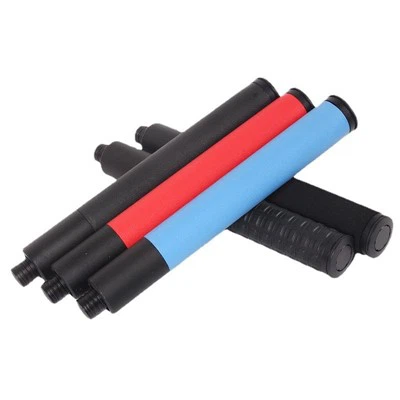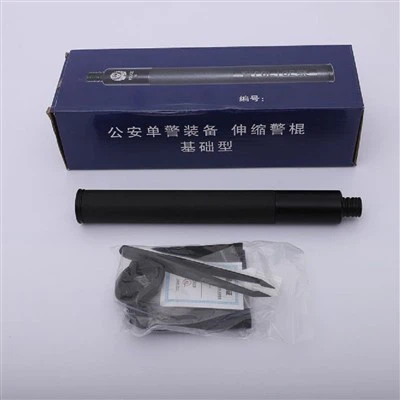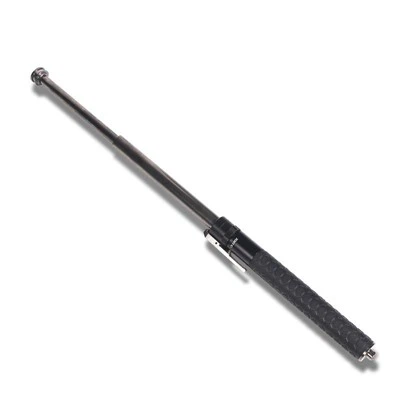
Cold weather presents unique challenges when it comes to handling a defense baton. As a supplier of high - quality defense batons, I understand the importance of ensuring that users can effectively and safely use these tools in low - temperature conditions. In this blog, I'll share some scientific and practical tips on how to handle a defense baton in cold weather.
Impact of Cold Weather on Defense Batons
Before delving into handling techniques, it's crucial to understand how cold weather affects defense batons. Most defense batons are made of materials like aluminum or steel. When the temperature drops, these materials become more brittle. For instance, an Aluminium Baton may lose some of its flexibility, making it more prone to breaking under stress.
The lubricants used in the baton's mechanism can also thicken in cold weather. This can cause the baton to be difficult to extend or retract. If the lubricant freezes, the baton may become completely inoperable, which is a serious issue in a self - defense situation.
Pre - Cold Weather Preparation
Inspection
Before the cold season arrives, it's essential to thoroughly inspect your defense baton. Check for any signs of wear and tear, such as cracks or loose parts. A damaged baton is more likely to fail in cold weather. If you notice any issues, it's advisable to replace the baton or have it repaired.
Lubrication
Use a high - quality lubricant specifically designed for cold - weather use. Apply the lubricant to the moving parts of the baton, such as the joints and the extension mechanism. This will help keep the baton operating smoothly even in low temperatures. Make sure to follow the manufacturer's instructions when applying the lubricant.


Storage
Proper storage is key. Keep your defense baton in a warm place when not in use. Avoid leaving it in a cold car or outside overnight. A warm environment will prevent the baton from being exposed to extreme cold, which can damage its components.
Handling Techniques in Cold Weather
Grip
In cold weather, your hands may become numb, which can affect your grip on the baton. To maintain a secure grip, wear gloves that provide both warmth and dexterity. There are specialized gloves available for law enforcement and self - defense use that are designed to offer a good grip even in cold conditions. When holding the baton, make sure your fingers are wrapped firmly around the handle. Avoid a loose grip, as this can cause the baton to slip out of your hand during use.
Extension and Retraction
When extending the baton, use a firm and quick motion. Due to the thickening of the lubricant, it may require a bit more force than usual. However, be careful not to use excessive force, as this can damage the baton. If the baton doesn't extend smoothly, try gently tapping it on a hard surface to loosen the mechanism.
Retracting the baton can also be challenging in cold weather. Use a controlled and steady motion. If the baton is difficult to retract, try warming it up slightly. You can do this by holding it close to your body for a few minutes.
Striking
When using the baton for striking, aim for the target accurately. Cold - weather conditions may affect your reaction time and coordination. Practice your striking techniques in cold weather to get used to the changes in your physical abilities. Focus on using the baton's weight and momentum effectively rather than relying solely on brute force.
Safety Considerations
Avoid Over - Exertion
In cold weather, your body has to work harder to maintain its core temperature. Over - exerting yourself while using the baton can lead to fatigue more quickly. Pace yourself and take breaks if necessary.
Be Aware of Surroundings
Cold weather can create slippery conditions, such as ice on the ground. Be careful when using the baton to avoid slipping and falling. Also, be aware of other people in the area, as a misdirected strike can cause injury to innocent bystanders.
Know Your Limits
Understand the limitations of your defense baton in cold weather. Don't expect it to perform the same way as it does in normal temperatures. If you encounter a situation where the baton is not working properly, have a backup plan.
Choosing the Right Defense Baton for Cold Weather
When selecting a defense baton for cold - weather use, consider the following factors:
Material
As mentioned earlier, aluminum batons can become brittle in cold weather. Steel batons are generally more resistant to cold - related damage. However, they may be heavier. Choose a material that suits your needs and preferences.
Design
Look for a baton with a simple and reliable design. A complex design may be more prone to malfunction in cold weather. A Police Telescopic Baton is a popular choice due to its straightforward design and ease of use.
Brand and Quality
Choose a reputable brand that is known for producing high - quality defense batons. A well - made baton is more likely to perform well in cold weather. You can find a wide range of Defense Baton options on our website.
Conclusion
Handling a defense baton in cold weather requires careful preparation and the right techniques. By understanding the impact of cold weather on the baton, taking proper pre - cold weather measures, and using the correct handling techniques, you can ensure that your defense baton remains effective and reliable in low - temperature conditions.
If you're in the market for a high - quality defense baton that can perform well in cold weather, we're here to help. We offer a wide range of batons that are designed to meet the needs of law enforcement officers, security personnel, and individuals looking for self - defense options. Contact us to discuss your requirements and start a procurement negotiation.
References
- "Cold Weather Effects on Metals", Journal of Material Science
- "Self - Defense Tools in Extreme Conditions", Law Enforcement Review Magazine
- Manufacturer's manuals for various defense batons