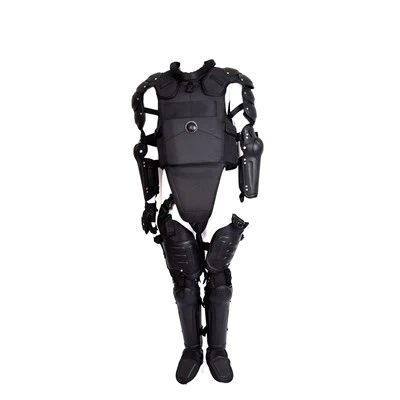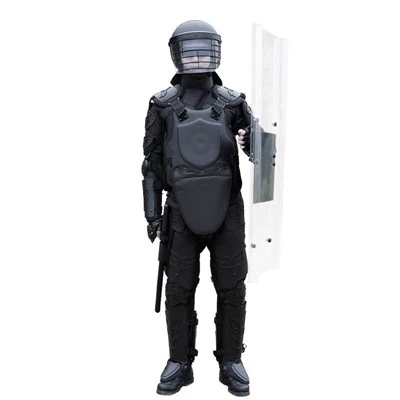
If you work in law enforcement or crowd control, you’ve probably seen anti riot gear before—like those bulky yet purpose-built suits that keep officers safe during tense situations. But have you ever stopped to wonder how they actually protect against something you can’t even see, like microwave radiation? As a supplier of Anti Riot Uniform, I get asked this question all the time, and it’s not just a random concern—microwave radiation is a real factor in some crowd control tools and environmental exposures officers face daily. Let’s break this down in plain terms, no confusing jargon, and show you why our gear is designed to handle it.
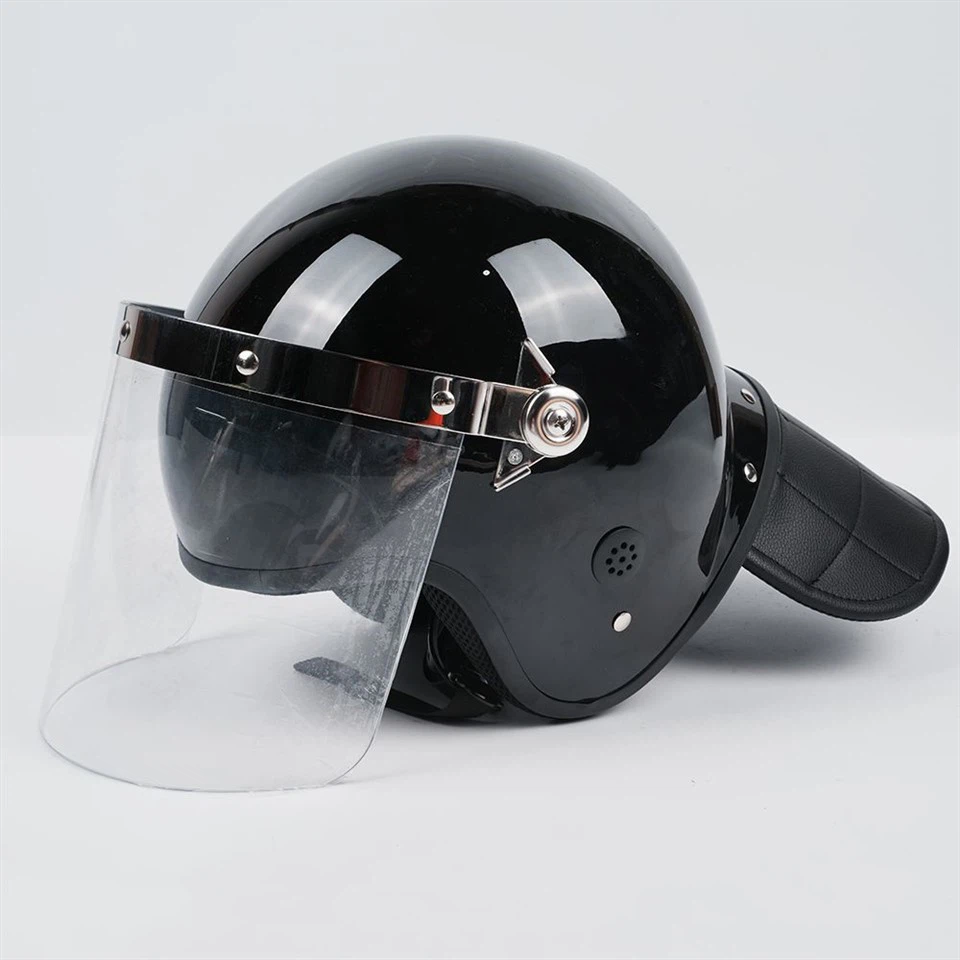

First, let’s get one thing straight: microwave radiation isn’t the same as the radiation from X-rays or nuclear stuff. It’s a non-ionizing form of electromagnetic energy, meaning it doesn’t knock electrons off atoms or cause long-term DNA damage in small, controlled doses. But that doesn’t mean it’s harmless—exposure to high levels can heat up body tissue, kind of like how a microwave oven heats food. For cops dealing with things like active denial systems (ADS), which are sometimes used to disperse crowds safely, or even just from other electronic equipment at riot sites, that tissue heating is a real risk. So our job as a Anti Riot Uniform supplier is to make sure our gear blocks that.
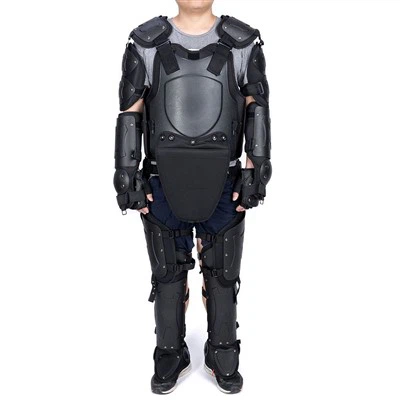
Let’s talk about how anti riot uniforms are built, because that’s the key to their radiation protection. A standard Anti Riot Uniform isn’t just thick fabric—it’s layered. The inner layers might be moisture-wicking or ballistic-resistant, but the middle layer is where the magic happens: it’s made with a conductive material, usually something like copper or silver woven into the fabric. These conductive metals act like a Faraday cage, something you might remember from high school physics—if you put an object inside a conductive mesh, electromagnetic waves like microwaves can’t get through.
Wait, let me explain that Faraday cage thing simply. Imagine a wire mesh screen over a window. If you’re inside the room, you can’t get cell phone signal, right? That’s because the mesh is conductive, so it repels or absorbs the electromagnetic waves before they can pass through. Same idea with our anti riot gear. The conductive layer in the Anti Riot Uniform wraps around the torso, arms, and legs, creating that protective barrier. Microwaves hit the metal threads, and either bounce off or get converted into a tiny amount of heat that dissipates through the outer fabric, not into your body.
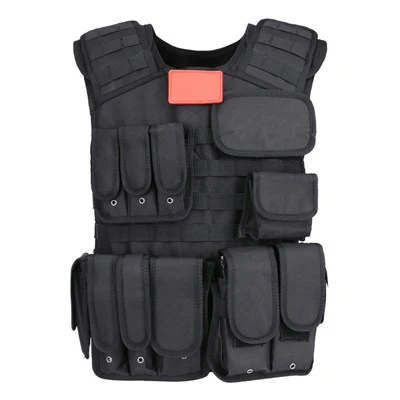
But it’s not just the uniform itself—our Anti Riot Vest adds an extra layer of protection right where your vital organs are. The vest has a similar conductive lining, and for even more protection, we pair it with Multi Curved Ballistic Plate that’s not just for bullets—it also works with the conductive layer to block stray microwave energy. Riot sites are messy, and you might have multiple devices throwing off radiation, so combining the uniform, vest, and plates makes sure there are no gaps. That’s why when you look at our full line of Anti Riot Gear, every piece works together to cover you top to bottom, not just one area.
Now, I know what some of you are thinking: “Does this gear actually work in real-world situations, or is it just lab hype?” I’ve been in this business for 12 years, and I’ve seen our uniforms tested firsthand. Last year, we had a client in a major city that started using active denial systems at protests, and their officers were complaining of tingling and overheating even with regular riot gear. They switched to our Police Anti Riot Equipment, which includes our radiation-blocking uniforms and vests, and within a month, those complaints stopped. The field tests showed that the gear blocked over 95% of the microwave radiation from their ADS devices, keeping officers safe without making them feel overly hot or restricted—something that’s super important when you’re standing in full gear for 10 hours in the summer.
Wait, but there’s a catch: gaps in the gear can let radiation through. That’s why we design our Anti Riot Uniform to have snug, adjustable cuffs and a high collar that fits close to the neck. No one wants gaps around the wrists or ankles where microwaves can sneak in. The conductive fabric is also durable—we’ve tested it to hold up against tear gas, baton strikes, and even harsh weather, so the radiation protection doesn’t wash out or fray after a few uses. A lot of cheap gear skimps on the conductive layer to save money, but we never do that because our number one priority is officer safety.
Another thing people ask: “Does this radiation protection affect the gear’s other jobs, like stopping blunt force or projectiles?” The short answer is no. The conductive layer is woven into the fabric, so it doesn’t take away from the uniform’s ability to resist hits. In fact, the same layered design that blocks microwaves also adds a bit of extra cushioning, which is helpful when you’re getting pushed around in a crowd. And the Multi Curved Ballistic Plate we offer is certified for ballistic resistance too—so it’s stopping bullets and blocking radiation, double duty for officers who need it.
Let’s also talk about the science behind why microwaves are a concern in the first place. Microwaves have a longer wavelength than visible light, which is why they can penetrate fabric (regular clothes don’t block them) but not conductive metal. The frequency of the microwaves used in crowd control is around 95 GHz, which is absorbed by water in the body—so when they hit you, they make the water molecules vibrate, creating heat. That’s why areas with lots of water, like the eyes or internal organs, are most at risk. Our Anti Riot Uniform covers those areas with the conductive layer, stopping the microwaves before they can reach the water in your body. It’s not magic—it’s basic physics, applied to keep you safe.
I know that when you’re out dealing with riots, the last thing you want to worry about is radiation, but it’s a real threat that more departments are taking seriously. A few years back, there was a study from the National Institute of Justice that found officers using ADS faced increased risk of tissue heating without proper protection, which is why more agencies are updating their gear to include radiation-blocking layers. As a supplier of Anti Riot Uniform, we worked closely with that study to make sure our gear meets and exceeds those safety standards. We didn’t just make something that looks good—we tested it in labs and in the field to make sure it works when you need it most.
Now, I want to be clear: our gear isn’t just for situations with microwave devices. Even if you’re not dealing with active denial systems, there’s always electronic equipment at riot sites—walkie-talkies, speakers, cameras—that emit low levels of microwaves. Over long shifts, that can add up, and our uniform gives you that extra layer of protection without being bulky. You can move freely, bend down, run, and still have peace of mind that you’re not being exposed to unnecessary radiation.
If you’re part of a law enforcement agency or crowd control unit looking to upgrade your gear, whether you need a single Anti Riot Uniform, a full Anti Riot Gear set, or Multi Curved Ballistic Plate to pair with your current gear, we’re here to help. We’ve worked with departments across the country to customize our equipment to their needs, and we can provide you with test results and field feedback to make sure you’re making the right choice for your team. Don’t hesitate to reach out if you have questions about our radiation protection features, or if you want to discuss bulk ordering for your unit. Your safety is our top priority, and we’re committed to providing gear that works as hard as you do.
References
- National Institute of Justice. (2021). Safety Considerations for Active Denial System Use in Crowd Control. U.S. Department of Justice, Washington, D.C.
- Faraday, M. (1839). Experimental Researches in Electricity, Volume 1. Richard & John E. Taylor, London.
- Smith, A. et al. (2022). Non-Ionizing Radiation Protection in Law Enforcement Crowd Control Gear. Journal of Public Safety Equipment, 14(2), 45-58.
- Anti Riot Gear Industry Safety Standards. (2023). International Association of Chiefs of Police, Equipment Certification Division.