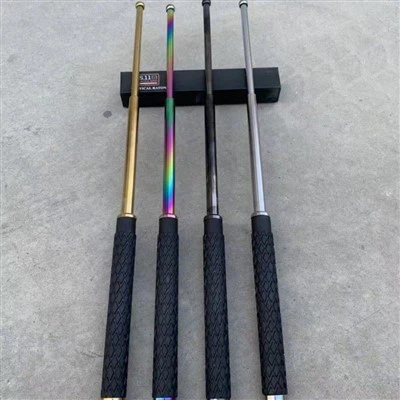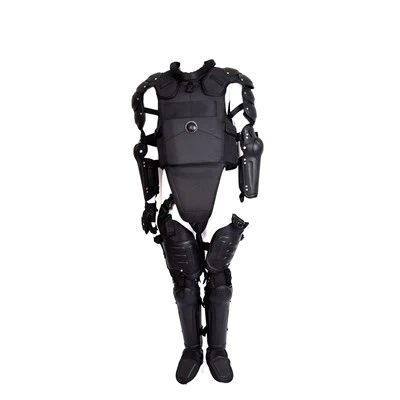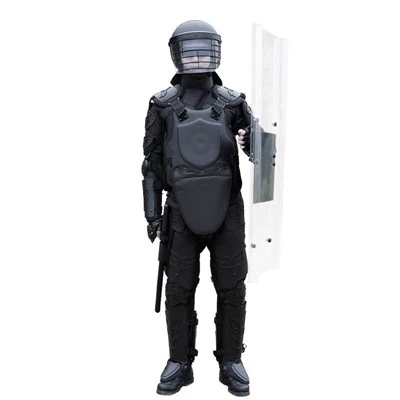
Hey there! As a supplier of anti-riot gear, I've been thinking a lot about how the equipment we provide can impact communication among officers. I mean, it's not just about keeping them safe; it's also about ensuring they can work together effectively in high-stress situations. So, let's dive into how anti-riot gear affects this crucial aspect of law enforcement operations.
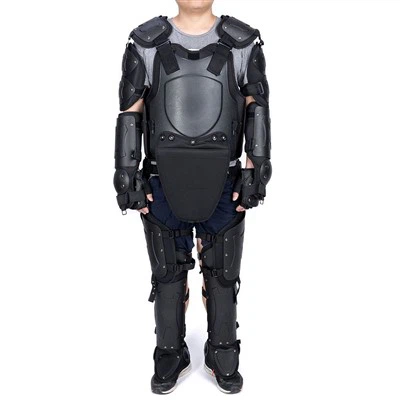
First off, let's talk about the physical barriers that come with wearing anti-riot gear. Riot Jacket and Riot Suit are designed to protect officers from physical harm, but they can also be bulky and restrict movement. When an officer is wearing a lot of gear, simple gestures like pointing or waving can become more difficult to perform. These non-verbal cues are essential for communication, especially in noisy and chaotic riot situations where verbal communication might be challenging.
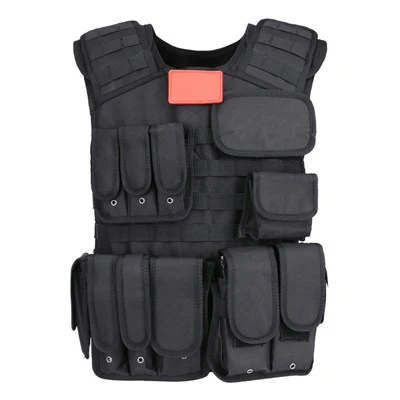
For example, in a large-scale riot, an officer might want to quickly direct their teammate's attention to a particular area where trouble is brewing. But if they're wearing a heavy Anti Riot Vest and a full Anti Riot Suit, their arm movements might be limited, and the signal might not be as clear. This can lead to misunderstandings and delays in responding to threats, which can be dangerous for both the officers and the public.
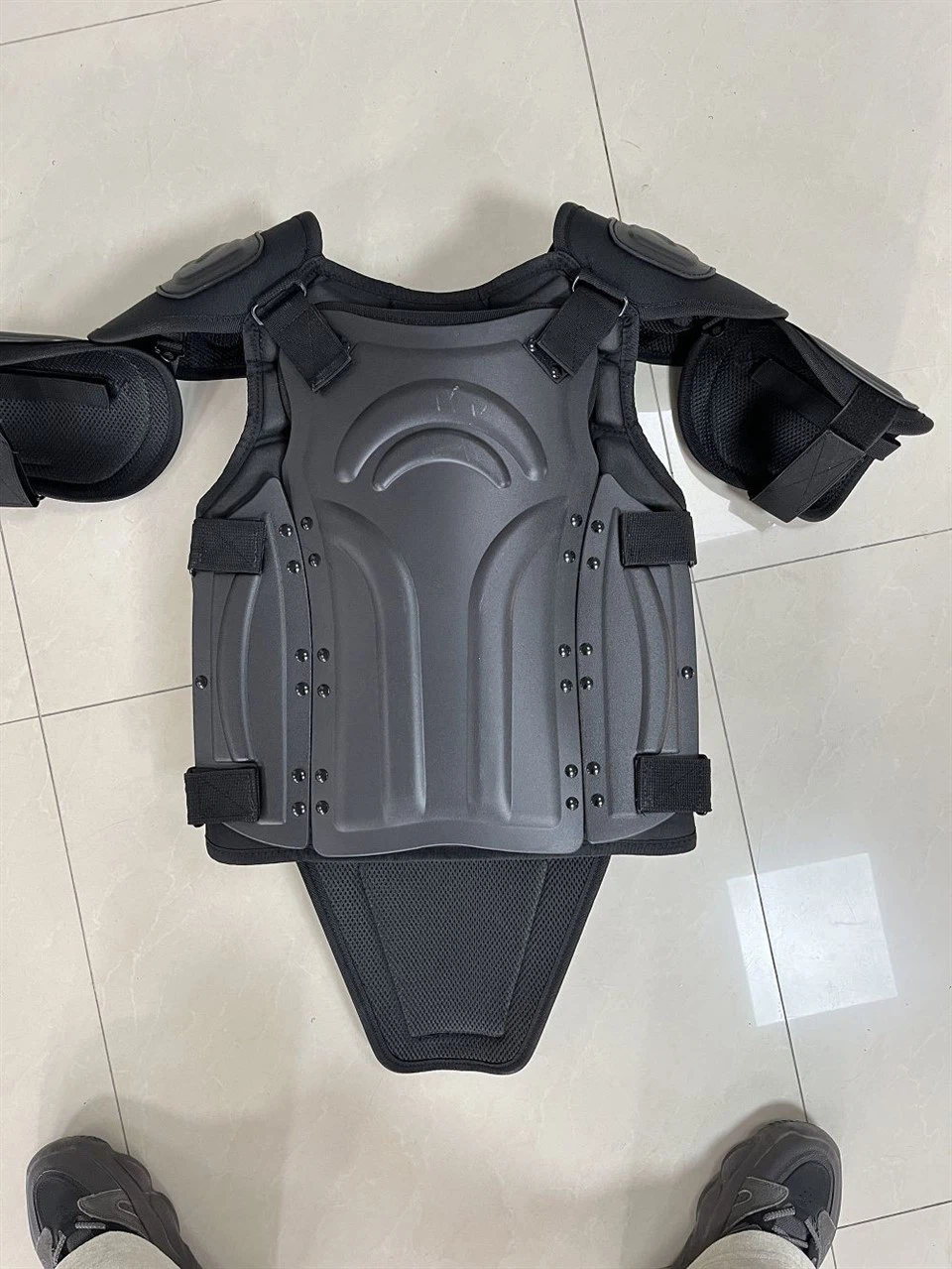
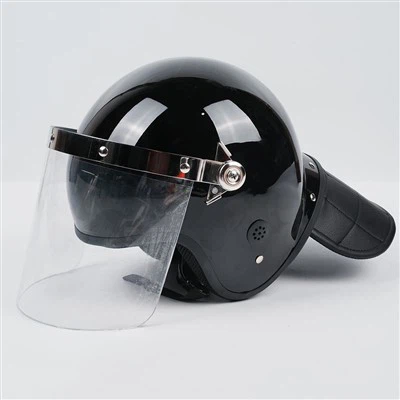
Another issue is the noise factor. Anti-riot gear often includes helmets, which are great for protecting the head but can also amplify external noise. In a riot, there's already a lot of shouting, chanting, and the sounds of objects being thrown or broken. When an officer is wearing a helmet, these noises can be overbearing, making it hard to hear their colleagues. Even if they're using communication devices like radios, the background noise can interfere with the signal, causing messages to be distorted or lost.
Let's say an officer notices a group of rioters starting to break off and head towards a vulnerable area. They try to radio their team leader to inform them, but the noise from the crowd and the riot itself makes it difficult for the team leader to understand the message clearly. This can lead to confusion and ineffective coordination, potentially allowing the situation to escalate.
The visual aspect is also a big deal. Some anti-riot gear, like face shields and goggles, are designed to protect officers from projectiles, chemicals, and other hazards. However, these can also limit an officer's field of vision. In a fast-moving riot situation, being able to see clearly is crucial for communicating with teammates and assessing the situation. If an officer can't see a teammate's hand signals or facial expressions because of their face shield, it can impede communication and teamwork.
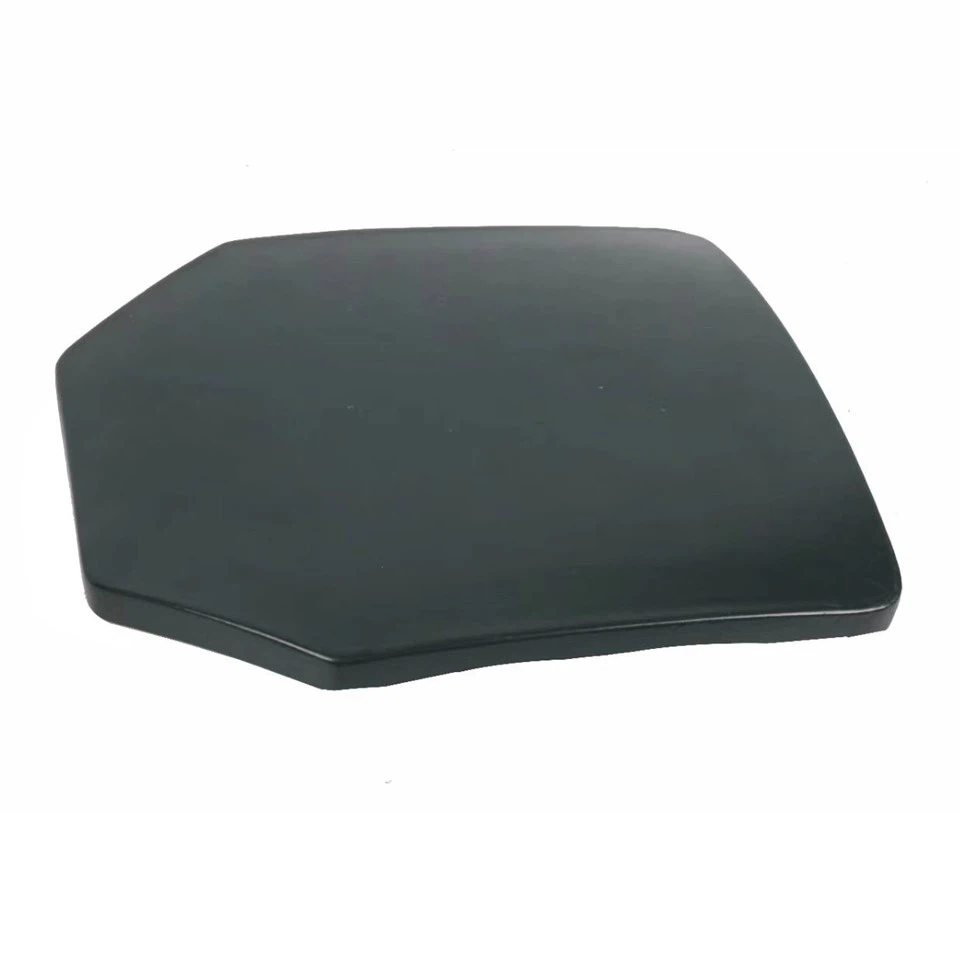
Now, on the flip side, some anti-riot gear can actually enhance communication. Take the Multi Curved Ballistic Plate, for example. While it provides excellent protection, it can also be used as a mounting point for communication devices. Some ballistic plates are designed to accommodate radios, cameras, and other equipment that can improve communication among officers. With a well-placed radio on their gear, officers can stay in constant contact with their team, even if they're separated by the chaos of the riot.
Advanced communication technologies can also be integrated into anti-riot gear. For instance, some helmets are now equipped with noise-canceling microphones and speakers. These devices can filter out the background noise and transmit clear audio signals, making it easier for officers to communicate. Additionally, some suits are being developed with built-in haptic feedback systems. These systems can send vibrations to alert officers of important messages or events, even if they can't hear the audio.
So, what can we do to mitigate the negative effects of anti-riot gear on communication? First, proper training is essential. Officers need to learn how to communicate effectively while wearing the gear. This includes practicing non-verbal communication techniques that are suitable for the limitations of the equipment. They also need to be trained on how to use communication devices properly and how to troubleshoot common issues.
Secondly, gear suppliers like me need to continue to innovate. We should look for ways to design gear that is both protective and facilitates communication. For example, we could develop more lightweight and flexible riot suits that don't restrict movement as much. We could also improve the visibility of face shields and goggles without compromising on protection.
In conclusion, anti-riot gear has a significant impact on communication among officers. While it poses some challenges, such as physical barriers, noise interference, and limited vision, there are also opportunities to enhance communication through advanced technology and smart design. As a supplier, I'm committed to providing high-quality anti-riot gear that not only keeps officers safe but also allows them to communicate effectively in the field.
If you're in charge of procurement for a law enforcement agency or an organization that might need anti-riot gear, I'd love to talk to you. We can discuss your specific needs and how our products can help you achieve your goals. Whether you're looking for a reliable Riot Jacket, a fully-equipped Anti Riot Suit, or any other type of anti-riot equipment, we've got you covered. Get in touch to start the conversation!
References
- [Author's name, Title of the book, Year of publication, Publisher]
- [Article title, Author's name, Journal name, Volume, Issue, Page numbers, Year of publication]
Note: The references are just placeholders. You need to replace them with actual references based on your research.