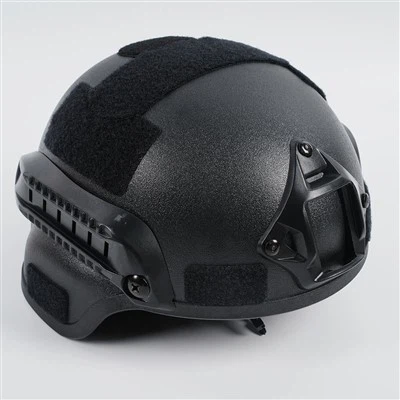
How does anti riot armor protect against stabbing?
As a supplier of anti riot armor, I've witnessed firsthand the critical role this equipment plays in ensuring the safety of law enforcement officers and security personnel during riot control situations. One of the most significant threats they face is stabbing, and anti riot armor is specifically designed to provide reliable protection against such attacks. In this blog, I'll delve into the science behind how anti riot armor protects against stabbing and why it's an essential investment for those in high - risk professions.
The Structure and Materials of Anti Riot Armor
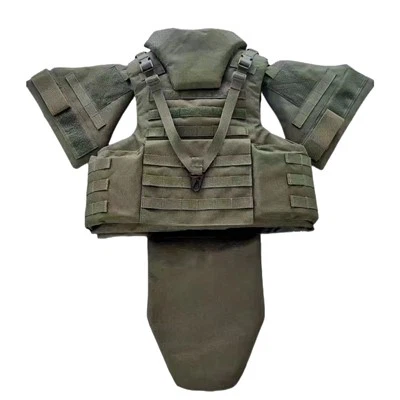
Anti riot armor consists of multiple layers, each with a specific function. The outer layer is typically made of a tough, abrasion - resistant material. This layer acts as the first line of defense, protecting the inner layers from cuts, scratches, and general wear and tear. Materials like high - density nylon or polyester are commonly used due to their durability and resistance to environmental factors.
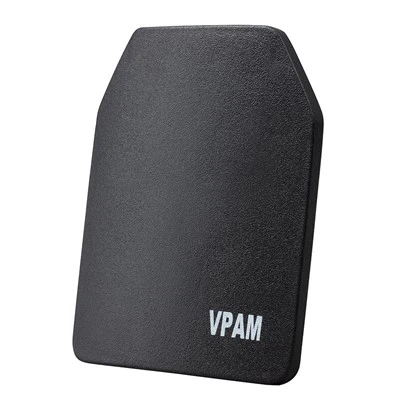
Underneath the outer layer, there are layers designed to absorb and disperse the force of a stabbing attack. One of the key materials used in these layers is aramid fiber, such as Kevlar. Aramid fibers are known for their high strength - to - weight ratio. When a sharp object like a knife or a spike tries to penetrate the armor, the aramid fibers work to catch and spread the force of the impact. The fibers are woven in a tight pattern, creating a network that resists the penetration of the blade.
Some anti riot armors also incorporate additional materials like polyethylene. High - molecular - weight polyethylene (HMWPE) is another popular choice. It has excellent energy - absorbing properties and is lightweight, making it suitable for long - term use by officers. HMWPE can deform upon impact, effectively absorbing the energy of the stabbing and preventing the blade from reaching the wearer's body.
Mechanisms of Protection
When a stabbing occurs, the anti riot armor goes through a series of processes to protect the wearer. First, the outer layer takes the initial brunt of the attack. It helps to dull the blade and prevent it from easily slicing through the armor. The tough material of the outer layer can cause the blade to bend or break, reducing its effectiveness.
Once the outer layer has done its job, the inner layers come into play. The aramid or polyethylene layers absorb the kinetic energy of the stabbing. As the blade tries to push through, the fibers in these layers stretch and deform. This stretching and deformation process converts the kinetic energy of the blade into other forms of energy, such as heat and sound. The energy is dissipated over a larger area, reducing the force that reaches the wearer's body.
In addition to energy absorption, the structure of the armor also plays a role in preventing penetration. The tight weave of the fibers creates a physical barrier that the blade has to overcome. The blade has to push through multiple layers of fibers, which increases the resistance it faces. This makes it much more difficult for the blade to reach the wearer's skin.
Testing and Certification
To ensure the effectiveness of anti riot armor against stabbing, it undergoes rigorous testing. There are international standards, such as the European Norm EN 381 - 5, which sets out the requirements for stab - resistant body armor. These tests involve using standardized knives and spikes to simulate real - world stabbing attacks.
During the testing process, the armor is placed on a test dummy, and a series of stabbing attempts are made at different locations and with different forces. The armor passes the test if the blade does not penetrate through to the dummy's body. Armor that meets these standards provides a high level of confidence in its ability to protect against stabbing.
Different Types of Anti Riot Armor
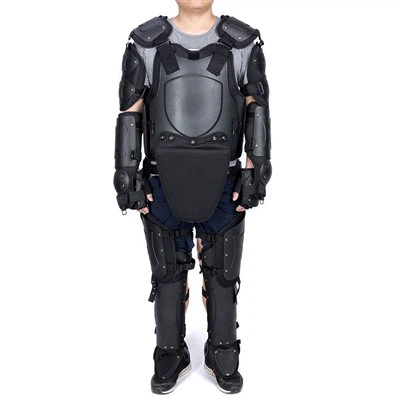
There are various types of anti riot armor available, each designed to meet different needs. The Anti Riot Suit is a comprehensive set of protective clothing that covers the torso, arms, and legs. It provides full - body protection against stabbing, as well as other threats like blunt force trauma.
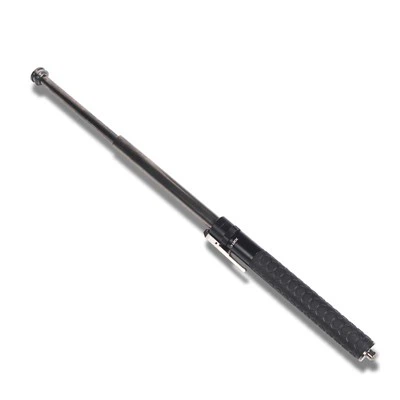
The Police Riot Equipment includes not only anti riot suits but also other essential items such as helmets, shields, and batons. These items work together to provide a complete defense system for law enforcement officers.
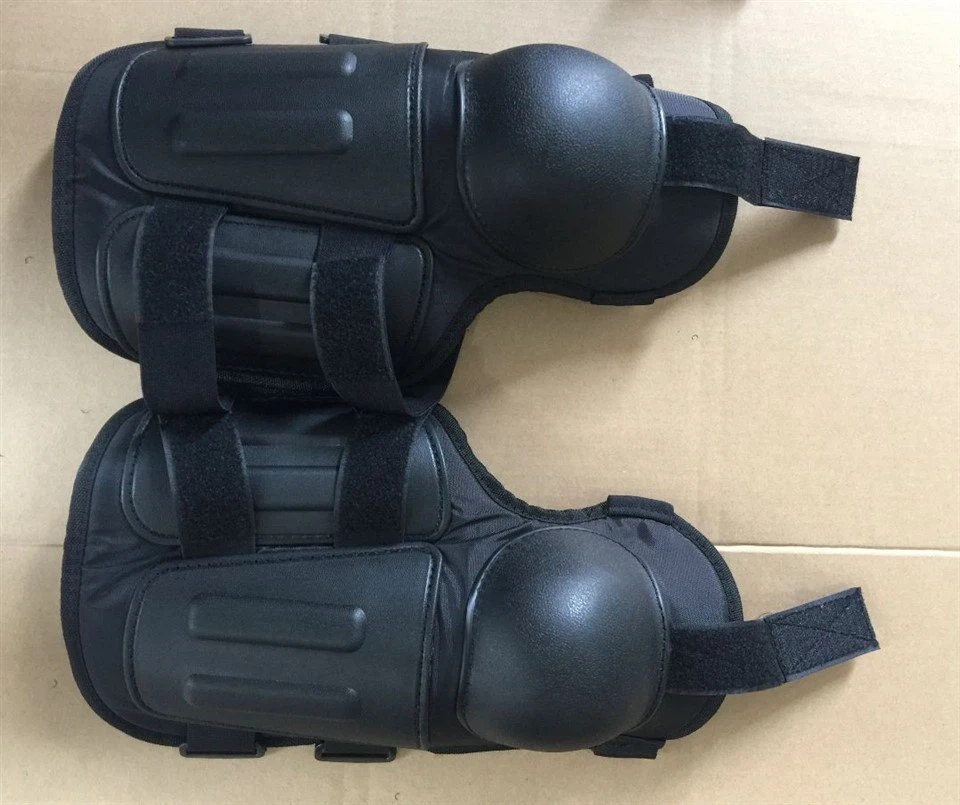
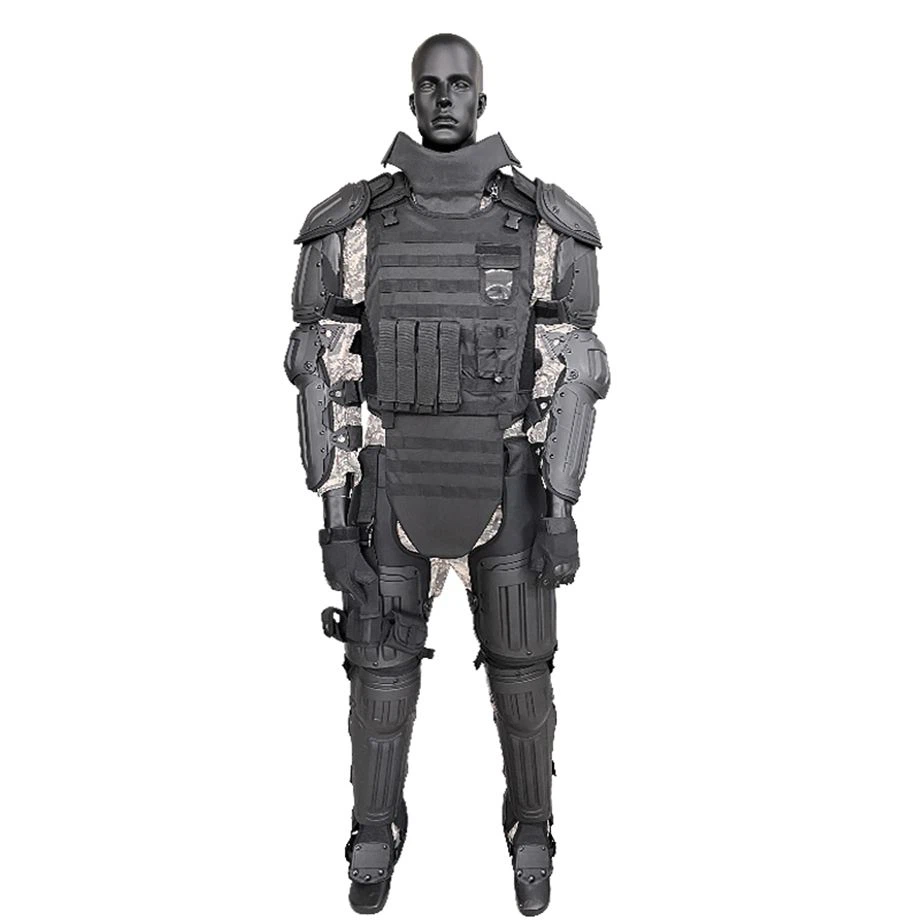
The Riot Control Suit is another option. It is often more lightweight and flexible than a full - body anti riot suit, making it suitable for situations where officers need to move quickly and freely.
Importance of Proper Fit and Maintenance
Proper fit is crucial for the effectiveness of anti riot armor. If the armor is too loose, it may not provide adequate protection as the blade could slip through the gaps. On the other hand, if it is too tight, it can restrict the officer's movement, which can be dangerous in a riot situation. Therefore, it's essential to ensure that the armor is properly sized and adjusted to the wearer's body.
Maintenance is also important. Regularly inspecting the armor for signs of damage, such as cuts, tears, or frayed fibers, is necessary. If any damage is found, the armor should be repaired or replaced immediately. Cleaning the armor according to the manufacturer's instructions can also help to maintain its performance.
Conclusion
Anti riot armor is a vital piece of equipment for those involved in riot control. Its ability to protect against stabbing is based on a combination of advanced materials, intelligent design, and rigorous testing. By understanding how anti riot armor works, law enforcement agencies and security providers can make informed decisions about the equipment they purchase.
If you're in the market for high - quality anti riot armor, we are here to help. Our products are designed to meet the highest standards of safety and performance. Whether you need a full - body anti riot suit, police riot equipment, or a riot control suit, we have the solutions to meet your needs. Contact us to start a discussion about your requirements and find the best anti riot armor for your team.
References
- European Committee for Standardization. (2019). EN 381 - 5:2019 Personal protective equipment - Test methods for arm protection against cuts and stabs - Part 5: Determination of cut resistance.
- Research studies on the performance of aramid and polyethylene materials in body armor applications.