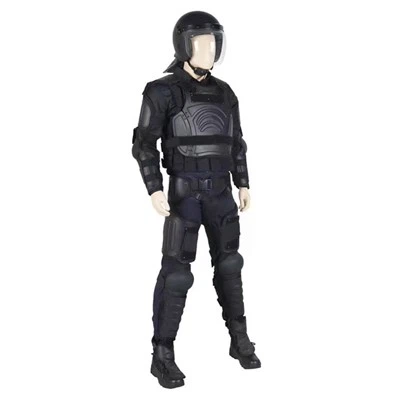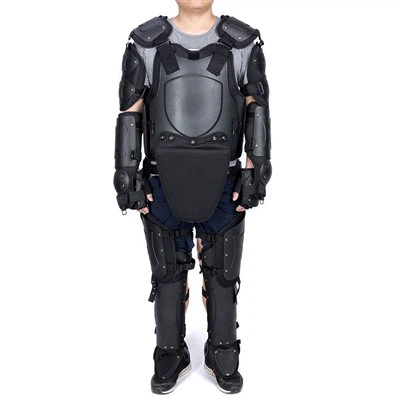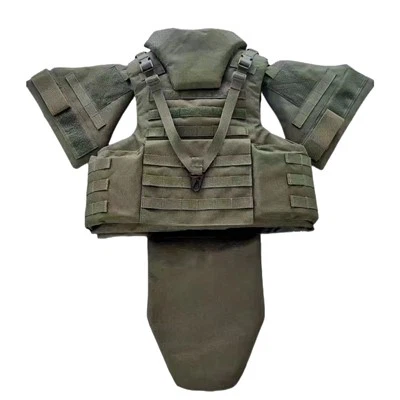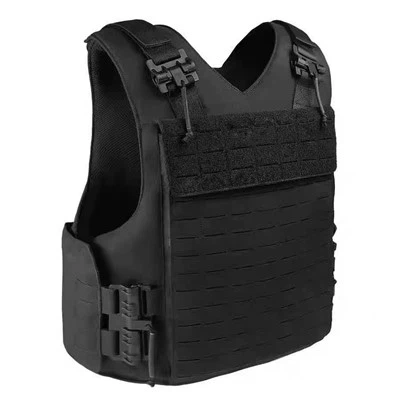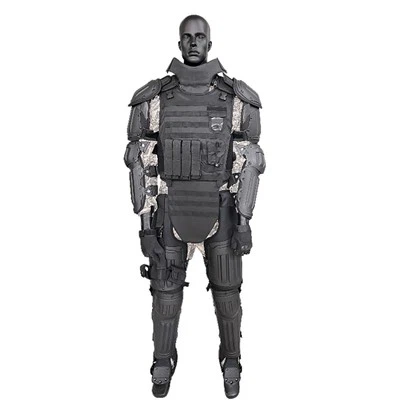
As a supplier of anti-riot armor, I've witnessed firsthand the critical role this gear plays in safeguarding law enforcement and security personnel. One of the most frequent questions I get is how anti-riot armor effectively protects against impacts from blunt objects. In this blog, I’ll delve into the science behind it, exploring the materials, design features, and testing processes that ensure the armor provides reliable protection.
Understanding Blunt Force Trauma
Before discussing how anti-riot armor protects against blunt objects, it's essential to understand the nature of blunt force trauma. When a blunt object strikes the body, it transfers kinetic energy to the tissues. This energy can cause damage in several ways, including bruising, internal organ damage, and even fractures. The severity of the injury depends on factors such as the mass and velocity of the object, the area of impact, and the stiffness of the target surface.
Materials Used in Anti - Riot Armor
The choice of materials is fundamental to the protective capabilities of anti-riot armor. Most modern anti-riot gear utilizes a combination of high - performance polymers, foams, and ballistic fabrics.
High - Performance Polymers
Polymers like high - density polyethylene (HDPE) are commonly used in anti-riot armor. HDPE has excellent impact resistance, which allows it to absorb and distribute the energy of a blunt object's impact. It is lightweight, making it comfortable for the wearer to move around during long - lasting operations. The molecules in HDPE are arranged in a way that when a blunt object hits, the polymer chains can deform and stretch, gradually dissipating the kinetic energy over a larger area, reducing the force applied to the body.
Foams
Closed - cell foams are another crucial component. These foams are designed to compress upon impact. As the foam compresses, it absorbs a significant portion of the kinetic energy. The cell structure of the foam is engineered to collapse in a controlled manner, further dissipating energy and preventing it from being transferred directly to the body. For example, some advanced foams used in anti - riot armor can revert to their original shape after the impact, allowing the armor to maintain its protective properties over multiple uses.
Ballistic Fabrics
Ballistic fabrics, such as Kevlar, are also used in anti - riot armor. While Kevlar is well - known for its anti - ballistic properties, it also offers effective protection against blunt force. The tightly woven fibers in Kevlar can catch and spread the force of a blunt impact over a wide area. The interlocking fibers act like a net, preventing the concentrated force from penetrating through to the body. You can find high - quality ballistic fabrics in our Multi Curved Ballistic Plate, which provides excellent protection against both blunt and sharp objects.
Design Features of Anti - Riot Armor
In addition to the materials, the design of anti - riot armor is carefully crafted to enhance its protective capabilities.
Curved Shapes
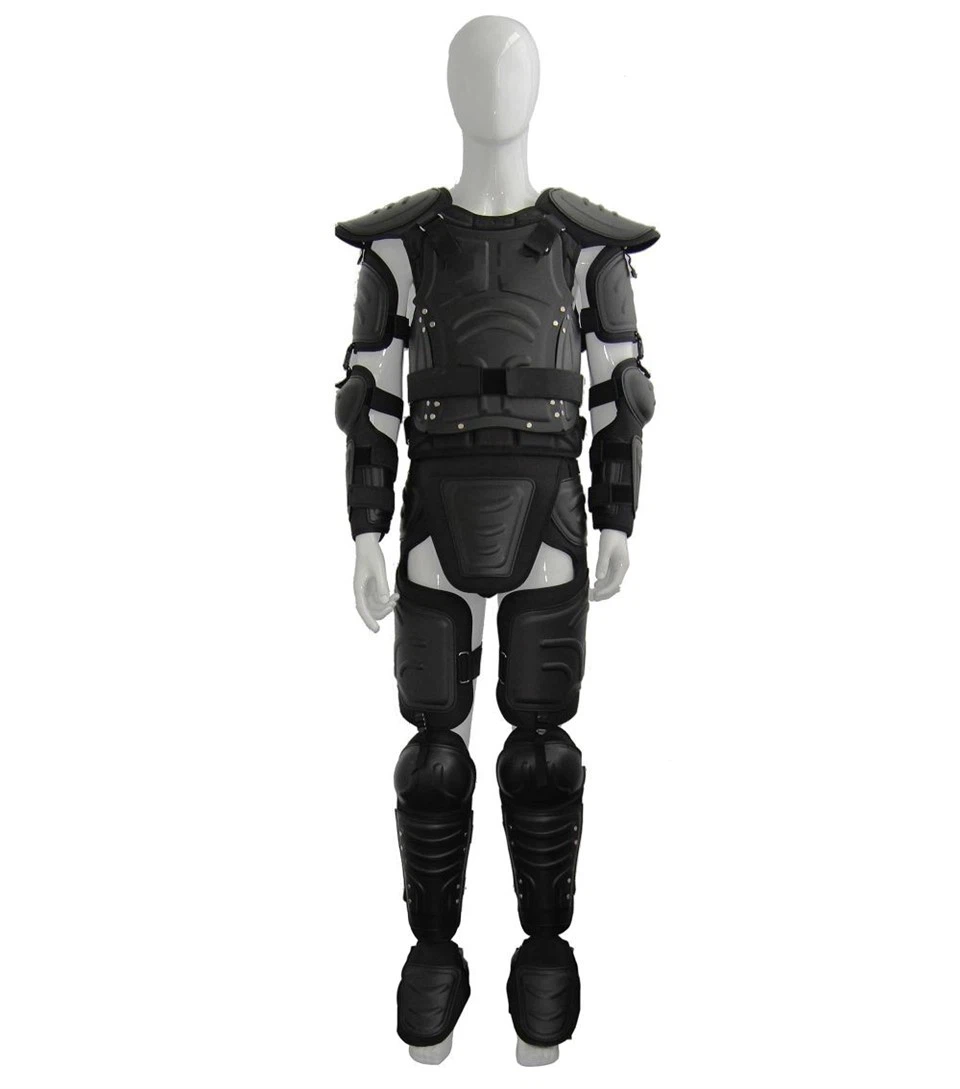
Many anti - riot armor pieces are designed with curved shapes. This design mimics the natural contours of the human body, providing a better fit. A well - fitting armor ensures that there are no gaps where a blunt object could strike the body directly. Moreover, the curvature helps to deflect the force of an impact. When a blunt object hits a curved surface, it is more likely to glance off rather than transfer all of its energy directly into the body.
Modular Design
Modular anti - riot armor allows for customized protection. Different parts of the body may require different levels of protection depending on the situation. For example, the chest and abdomen, which house vital organs, may need more robust protection than the limbs. The modular design enables the wearer to add or remove protective panels as needed. You can explore our Riot Jacket, which features a modular design, allowing for easy customization according to specific requirements.
Padding and Suspension Systems
Padding is used throughout anti - riot armor to provide additional protection and comfort. The padding can further absorb and disperse the force of an impact. Suspension systems, on the other hand, help to keep the armor in place during movement. A well - designed suspension system ensures that the armor remains stable and does not shift upon impact, maintaining its protective integrity.
Testing and Certification
To ensure that anti - riot armor meets the required standards of protection against blunt objects, rigorous testing is conducted.
Impact Testing
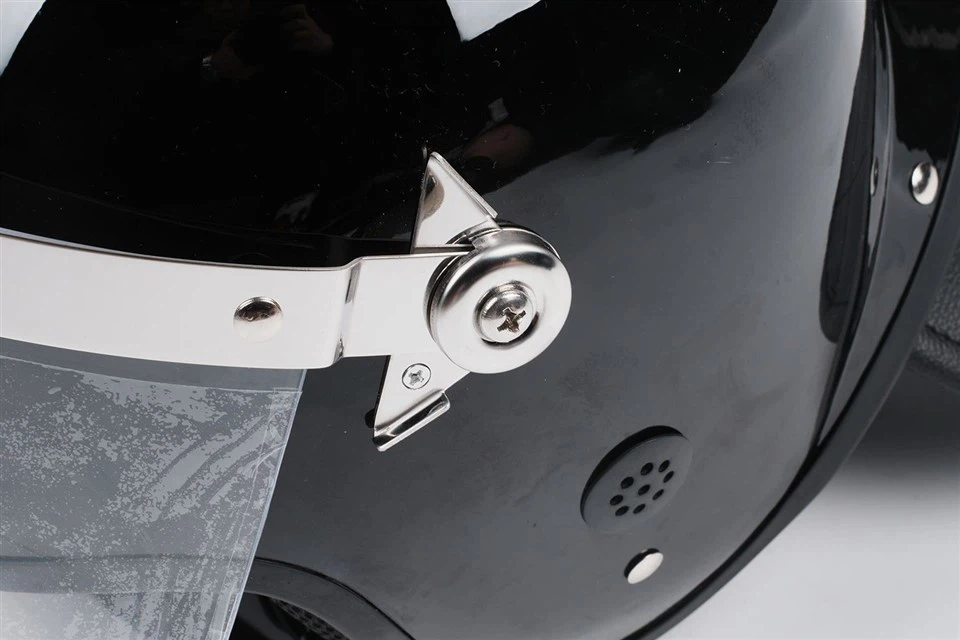
Armor manufacturers use specialized equipment to simulate impacts from various blunt objects, such as clubs, baseball bats, and rocks. During impact testing, the armor is subjected to a series of strikes with different forces and velocities. Sensors are placed behind the armor to measure the amount of force that is transferred to the underlying surface, simulating the body. The armor must meet specific criteria for force reduction to pass the test.
Certification Standards
There are international and national standards for anti - riot armor. For example, standards set by organizations like the National Institute of Justice (NIJ) in the United States specify the minimum levels of protection required for different types of anti - riot gear. Armors that meet these standards are certified, giving buyers confidence in the quality and effectiveness of the product. All of our Police Anti Riot Equipment and Police Riot Equipment are strictly tested and certified to meet or exceed these high - quality standards.
The Role of Anti - Riot Armor in Different Scenarios
In real - world scenarios, anti - riot armor can make a significant difference in protecting law enforcement and security personnel.
Crowd Control Situations
During crowd control operations, officers may be faced with projectiles such as bottles, stones, or improvised weapons. The anti - riot armor can absorb the impact of these blunt objects, reducing the risk of injury to the officers. This allows them to focus on maintaining order without being overly concerned about being injured by random projectiles.
High - Risk Operations
In high - risk operations, where the likelihood of encountering violent resistance is high, the protection provided by anti - riot armor is even more crucial. For example, when dealing with armed and aggressive groups, officers may be targeted with more powerful blunt objects or even combined with other types of attacks. Our Riot Control Suit is designed to provide comprehensive protection in such high - stress situations.
Conclusion
Anti - riot armor uses a combination of advanced materials, intelligent design features, and rigorous testing to protect against impacts from blunt objects. The high - performance polymers, foams, and ballistic fabrics work together to absorb and distribute the kinetic energy of an impact, while the design features enhance the fit and effectiveness of the armor. Whether it's for everyday crowd control or high - risk operations, the right anti - riot armor can significantly reduce the risk of injury to personnel.
If you're in need of high - quality anti - riot armor for your law enforcement or security team, don't hesitate to contact us. We're committed to providing top - notch products and can assist you in finding the best solutions for your specific needs. Engage with us to start a procurement discussion and discover how our armor can keep your team safe in challenging situations.
References
- Ballistics and Impact Mechanics: Fundamentals and Applications. Springer, New York, 2019
- Body Armor Technology: Materials, Design, and Performance. CRC Press, 2017
- Testing Standards for Anti - Riot Equipment. International Standards Organization, 2020