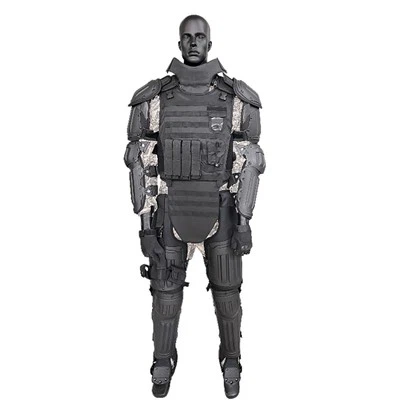
Selecting the right bulletproof plates for your plate carrier is a critical decision that can significantly impact your safety and performance in high - risk situations. As a supplier of Bulletproof Plate Carriers, I understand the complexities and considerations involved in this process. In this blog, I'll share some key factors to help you make an informed choice.
Understanding Your Threat Level
The first step in choosing the right bulletproof plates is to assess the threat level you're likely to face. Different plates are designed to protect against various types of ammunition. For instance, if you're in a law - enforcement role where you might encounter handguns, a lower - level protection plate could be sufficient. However, if you're in a military environment where high - velocity rifle rounds are a concern, you'll need a more advanced plate.
The National Institute of Justice (NIJ) has established a standard for bulletproof vests and plates. The NIJ ratings range from Level IIA to Level IV, with each level offering protection against different calibers and velocities of ammunition. For example, a Nij Iiia Bulletproof Vest is rated to stop most common handgun rounds, including.357 Magnum and.44 Magnum. On the other hand, a Level IV plate can withstand armor - piercing rifle rounds like.30 - 06 M2 AP.
Plate Material
The material of the bulletproof plate plays a crucial role in its performance. There are several common materials used in the manufacturing of bulletproof plates:
- Ceramic Plates: These are lightweight and offer excellent protection against high - velocity rifle rounds. Ceramic plates work by shattering the bullet upon impact, dispersing its energy. However, they are brittle and can be damaged if dropped or mishandled.
- Steel Plates: Steel plates are durable and relatively inexpensive. They can provide good protection against a wide range of ammunition, but they are heavier than ceramic plates. This extra weight can cause fatigue over time, especially if you need to be mobile for long periods.
- Composite Plates: Composite plates combine different materials, such as ceramic and aramid fibers. They offer a balance between weight, protection, and cost. A Aramid Bulletproof Vest often uses aramid fibers in its construction, which are strong and lightweight.
Plate Size and Fit
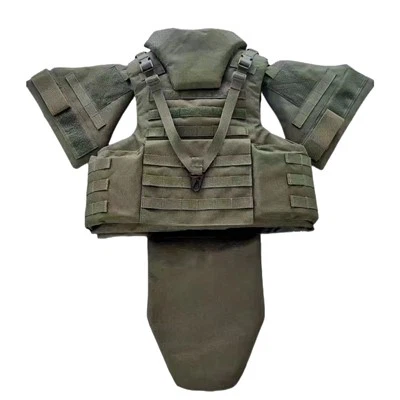
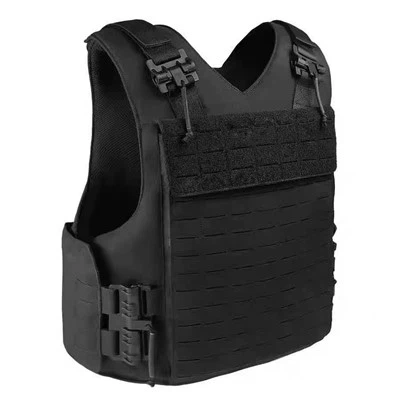
The size and fit of the bulletproof plates are also essential. Your plate carrier should be able to accommodate the plates properly, and the plates should cover the vital areas of your torso. If the plates are too small, they won't provide adequate protection. Conversely, if they are too large, they can restrict your movement and cause discomfort.
When choosing the size, consider your body type and the specific areas you want to protect. Most plate carriers come in different sizes, and the bulletproof plates should be selected to match the carrier's specifications. It's also a good idea to try on the plate carrier with the plates inserted to ensure a comfortable and secure fit.
Mobility and Comfort
In high - risk situations, mobility and comfort are key. You need to be able to move freely and quickly without being hindered by your body armor. Heavier plates can limit your mobility, so it's important to find a balance between protection and weight.
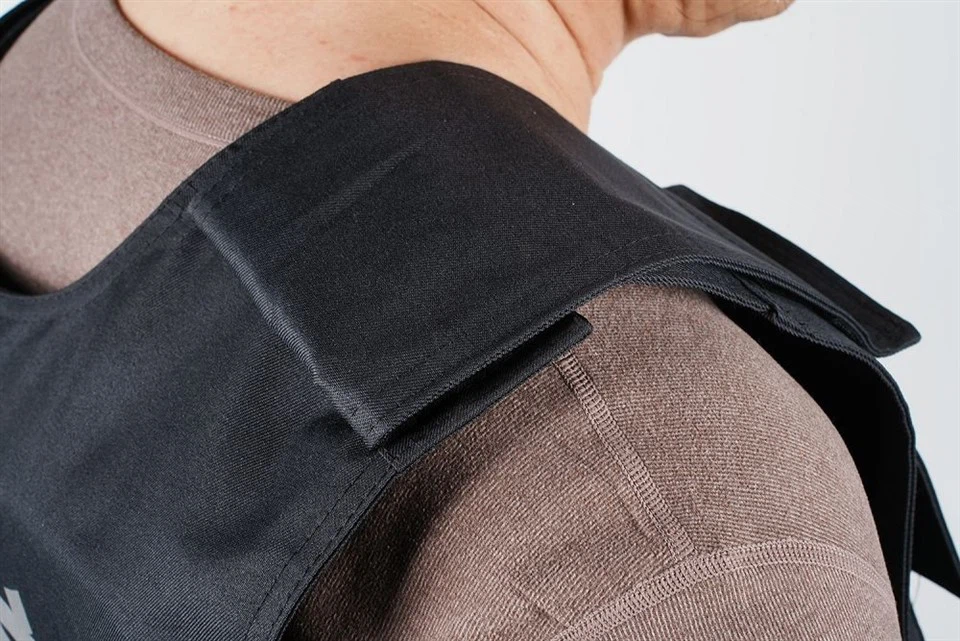
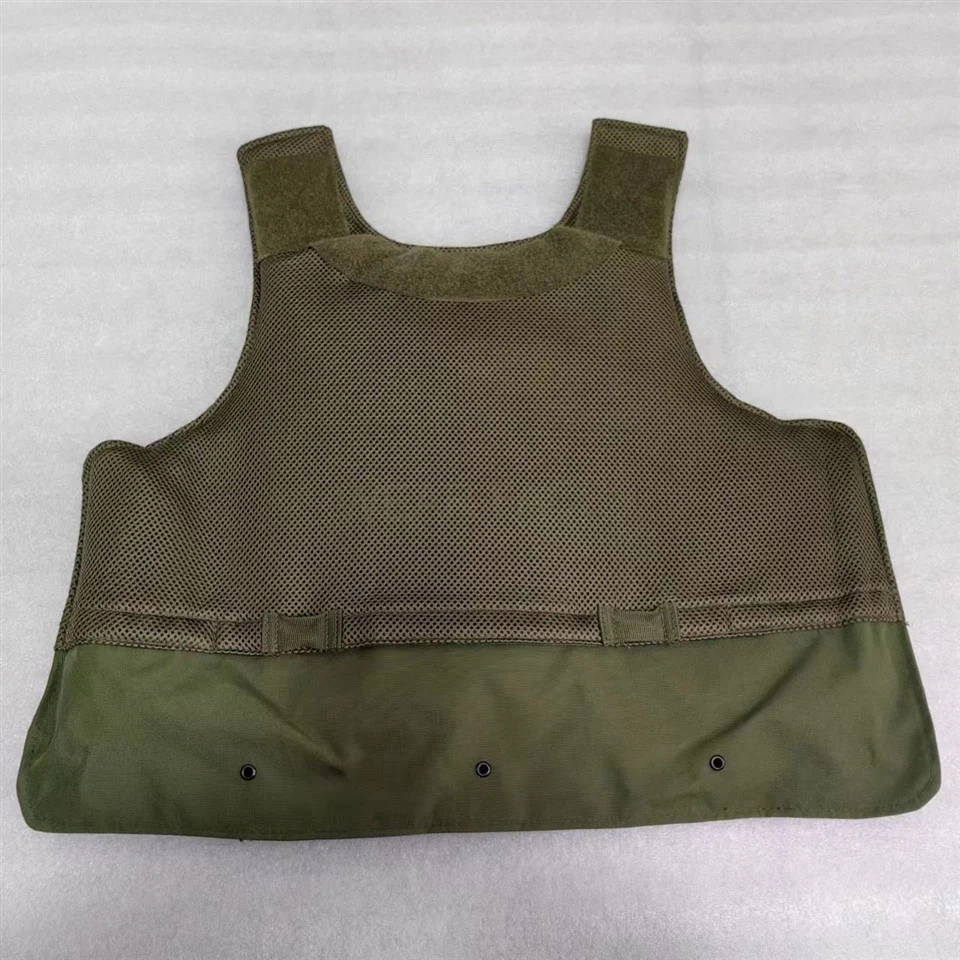
Some plate carriers are designed with features to enhance mobility. For example, a Quick Release Tactical Vest allows you to quickly remove the vest in case of an emergency. Additionally, padding and adjustable straps can improve comfort, reducing the strain on your body during long - term wear.
Cost and Budget
Cost is always a consideration when purchasing bulletproof plates. Higher - level protection plates and specialized materials can be more expensive. However, it's important to remember that your safety is priceless. You should budget for the best protection you can afford.
Compare prices from different suppliers, but also consider the quality and performance of the plates. A cheaper plate may not provide the same level of protection as a more expensive one, so it's important to do your research and read reviews before making a purchase.
Compatibility with Other Gear
Your bulletproof plates should be compatible with other gear you're likely to use. For example, if you're using a load - bearing equipment setup, the plates should not interfere with the attachment points or the overall functionality of the gear.
Also, consider whether you'll need to use additional accessories such as side plates or a groin protector. Make sure your plate carrier can accommodate these accessories and that the bulletproof plates are compatible with them.
Environmental Considerations
The environment in which you'll be using the bulletproof plates can also affect your choice. For example, if you're working in a hot and humid climate, a lightweight and breathable plate carrier with well - ventilated plates would be ideal. On the other hand, if you're in a cold environment, you may need to consider plates that can be worn under layers of clothing without sacrificing protection or mobility.
Testing and Certification
When purchasing bulletproof plates, it's crucial to ensure that they are properly tested and certified. Look for plates that have been tested to meet the NIJ standards. This certification ensures that the plates have been thoroughly tested for their performance and reliability.
Some suppliers may also offer additional testing or customization options. For example, they may be able to test the plates against specific types of ammunition or modify the plates to meet your specific requirements.
Conclusion
Choosing the right bulletproof plates for your plate carrier is a multi - faceted process that requires careful consideration of several factors. By understanding your threat level, choosing the right material, ensuring proper size and fit, and considering mobility, cost, compatibility, and environmental factors, you can make an informed decision that will keep you safe in high - risk situations.
If you're interested in learning more about our Bulletproof Plate Carriers and bulletproof plates, or if you're ready to start the procurement process, we encourage you to reach out. We're here to help you find the perfect solution for your needs.
References
- National Institute of Justice (NIJ) standards for body armor.
- Industry reports on bulletproof plate materials and performance.
- User reviews and feedback on different bulletproof plate products.