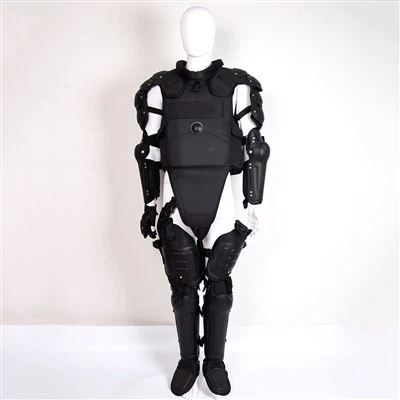
In the world of security and law enforcement equipment, batons are a fundamental tool. They serve as a non - lethal means to control situations, protect oneself, and enforce order. Among the various types of batons available, aluminium batons and wooden batons are two popular choices. As an aluminium baton supplier, I am well - versed in the characteristics of both types and am eager to share a detailed comparison.
Material and Durability
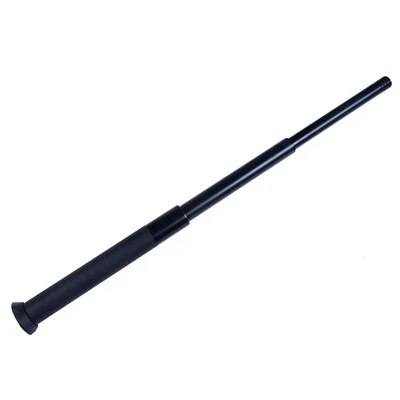
Aluminium is a lightweight yet strong metal. It is corrosion - resistant, which means an aluminium baton can withstand various environmental conditions without rusting. This makes it suitable for long - term use, especially in outdoor or humid settings. The manufacturing process of aluminium batons allows for precise engineering, ensuring consistent quality and strength across the product line.
On the other hand, wooden batons are made from natural materials such as oak, ash, or hickory. While these woods are known for their strength, they are more susceptible to damage from moisture, insects, and general wear and tear. Over time, a wooden baton may develop cracks or splinters, which can not only reduce its effectiveness but also pose a risk to the user. For example, in a rainy environment, a wooden baton can absorb water, causing it to swell and potentially break.
Weight and Portability
One of the significant advantages of aluminium batons is their light weight. Aluminium is much lighter than wood, which makes it easier for users to carry and handle the baton for extended periods. This is particularly important for law enforcement officers or security personnel who may need to be on their feet for hours at a time. A lighter baton also allows for quicker and more agile movements, which can be crucial in high - pressure situations.
Wooden batons, due to their natural density, are generally heavier. While some users may prefer the heft of a wooden baton for a more powerful strike, it can also lead to fatigue over time. Carrying a heavy wooden baton throughout a shift can be physically taxing, and it may limit the user's ability to react quickly.
Impact and Effectiveness
When it comes to impact, both aluminium and wooden batons have their strengths. Aluminium batons are known for their ability to transfer force efficiently. The rigid structure of aluminium allows for a more concentrated impact, which can be effective in subduing an individual. Additionally, the smooth surface of an aluminium baton reduces the risk of getting caught on clothing or other objects during a strike.
Wooden batons, however, offer a different kind of impact. The natural flexibility of wood can absorb some of the shock, providing a more cushioned strike. This can be beneficial in situations where less severe force is required. Some users also believe that the heft of a wooden baton gives it a more "solid" feel when making contact, which can be psychologically intimidating.
Cost and Maintenance
Aluminium batons are generally more expensive than wooden batons upfront. The cost of aluminium and the manufacturing processes involved contribute to the higher price. However, when considering the long - term cost, aluminium batons can be more cost - effective. Their durability means they require less frequent replacement, and maintenance is relatively simple. A quick wipe down with a clean cloth is usually sufficient to keep an aluminium baton in good condition.
Wooden batons are more affordable initially, but they require more maintenance. They need to be regularly treated with oils or finishes to prevent moisture damage and insect infestation. Over time, the cost of maintenance and potential replacement can add up, making them less cost - effective in the long run.
Versatility
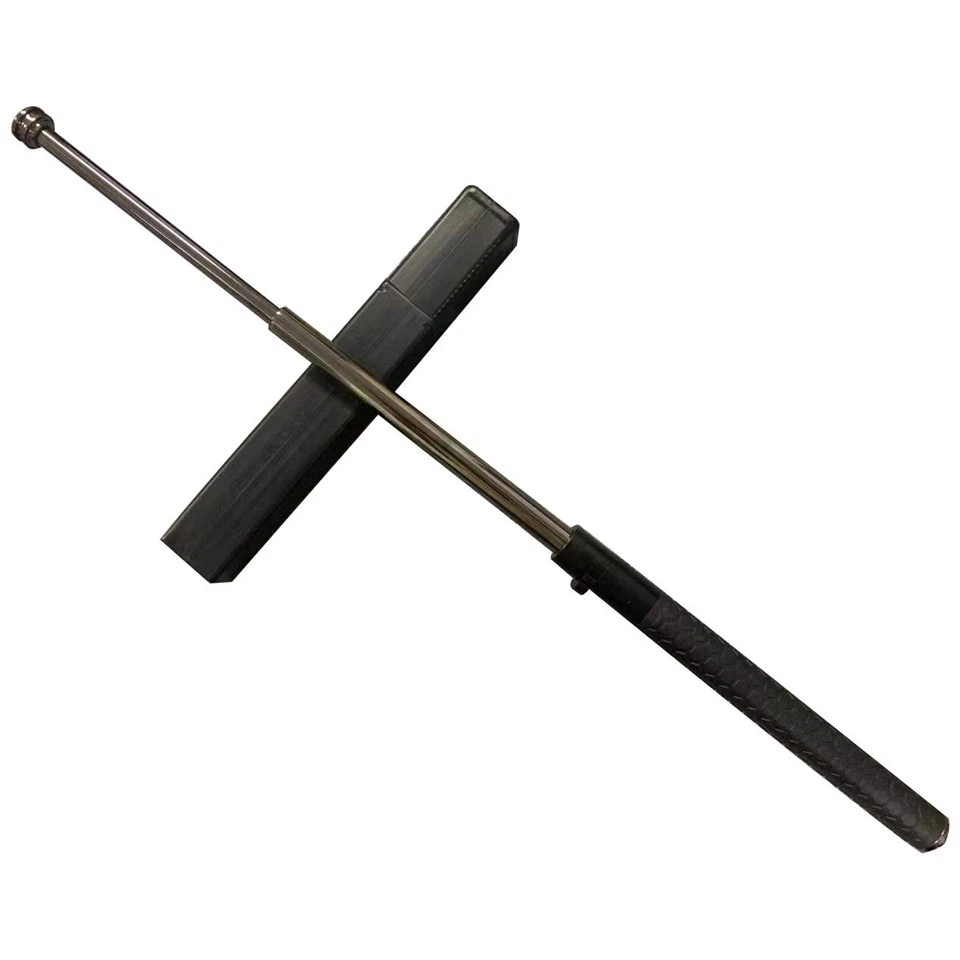
Aluminium batons offer a high degree of versatility. They come in various designs, including Telescopic Baton, which can be easily carried in a pocket or holster when collapsed and quickly extended when needed. Some aluminium batons are also designed with special features such as LED lights or stun capabilities, adding to their functionality.
Wooden batons are more limited in terms of design and functionality. While they can be effective in basic self - defense or crowd control situations, they do not offer the same range of options as aluminium batons.
Aesthetics
Wooden batons have a traditional and natural look that some users find appealing. The grain and texture of the wood give each baton a unique appearance, which can be a factor for those who value aesthetics. Aluminium batons, on the other hand, have a more modern and industrial look. Their smooth and shiny surface can give a sense of professionalism and high - tech quality.
Safety
In terms of safety, both types of batons have their considerations. Aluminium batons can cause more severe injuries if used with excessive force due to their rigid structure. However, they also have a lower risk of splintering or breaking during use, which can be a safety hazard.
Wooden batons, as mentioned earlier, can develop splinters over time, which can cause cuts and abrasions to the user or the person being struck. Additionally, if a wooden baton breaks during use, it can leave sharp edges that pose a danger.
Conclusion
In conclusion, both aluminium and wooden batons have their pros and cons. Aluminium batons offer superior durability, portability, and versatility, making them a popular choice for law enforcement and security professionals. They are also more cost - effective in the long run and require less maintenance. Wooden batons, on the other hand, have a traditional appeal and can provide a more cushioned impact in certain situations.
If you are in the market for a baton, I encourage you to consider your specific needs and preferences. Whether you are looking for a Alloy Steel Telescopic Baton for its strength and compactness or a Riot Control Baton for crowd management, I am here to assist you. As an aluminium baton supplier, I can provide you with high - quality products that meet your requirements. If you are interested in purchasing batons or have any questions, please feel free to reach out to me for a detailed discussion and to explore the options available.

References
- "Handbook of Law Enforcement Equipment", Smith, J., 2018
- "Materials Science for Security Tools", Johnson, R., 2020
- "The Art of Self - Defense with Batons", Brown, A., 2019