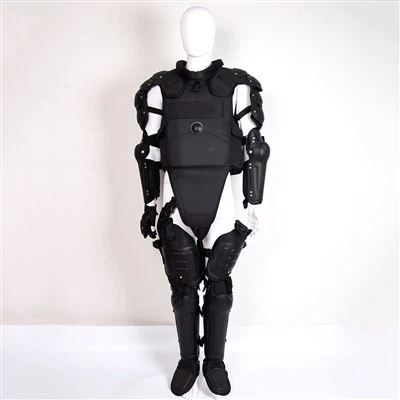
Connecting a radio to a tactical vest is a crucial skill for those in law enforcement, military, or other tactical operations. As a supplier of high - quality tactical vests, I understand the importance of this process and am here to guide you through it.
Why Connect a Radio to a Tactical Vest?
In tactical scenarios, communication is key. A radio allows team members to stay in touch, share vital information, and coordinate their actions effectively. By connecting a radio to a tactical vest, you ensure that it is easily accessible, secure, and close to your body, reducing the risk of losing it during movement.
Selecting the Right Tactical Vest
Before you can connect a radio, you need to have the right tactical vest. Our vests are designed with multiple attachment points and compartments to accommodate various equipment, including radios. They are made from durable materials that can withstand the rigors of tactical operations.
If you're looking for a more comprehensive protection option, you might consider our Full Body Armor Vest. It provides enhanced protection while still allowing for easy attachment of a radio. For a lighter option, the Ballistic Jacket is a great choice. And if you need a vest that meets specific ballistic standards, our Nij Iiia Bulletproof Vest is designed to offer reliable protection.
Tools and Materials Needed
- Radio: Choose a radio that suits your specific needs. Consider factors such as range, frequency, and durability.
- Radio Holster: A good radio holster is essential for securely attaching the radio to the vest. Make sure it is compatible with your radio model.
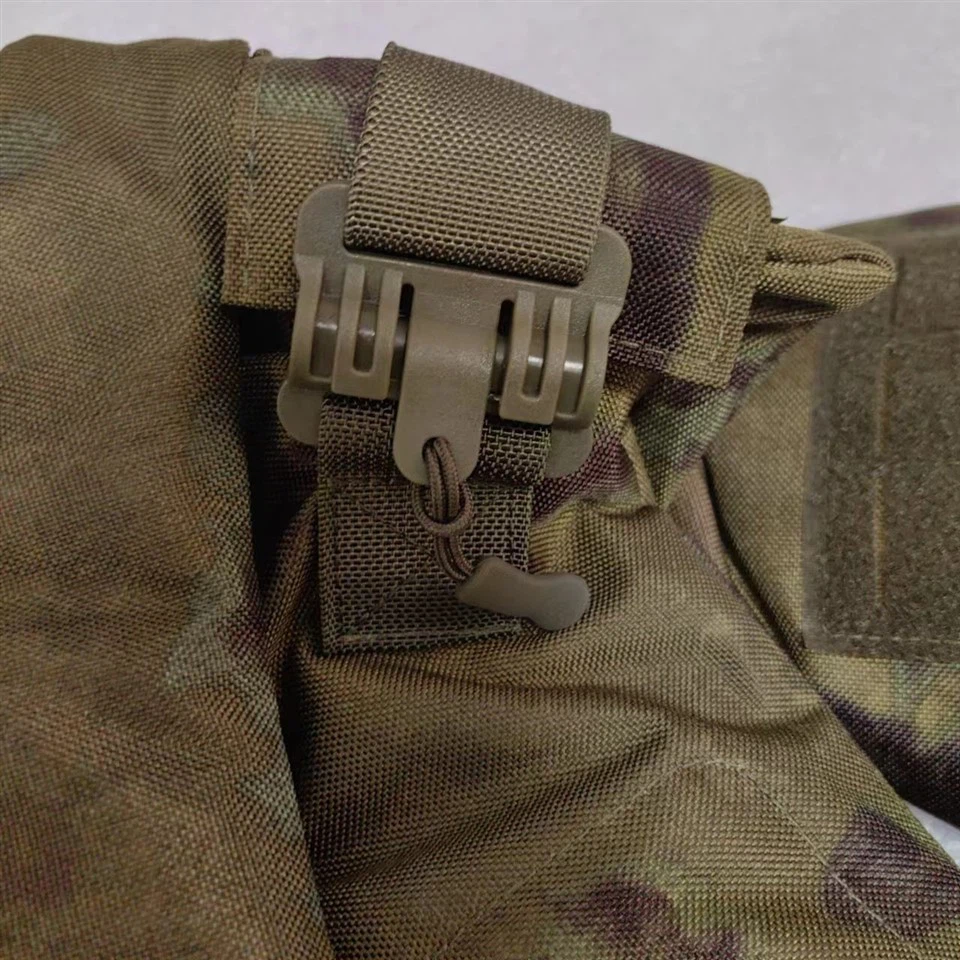
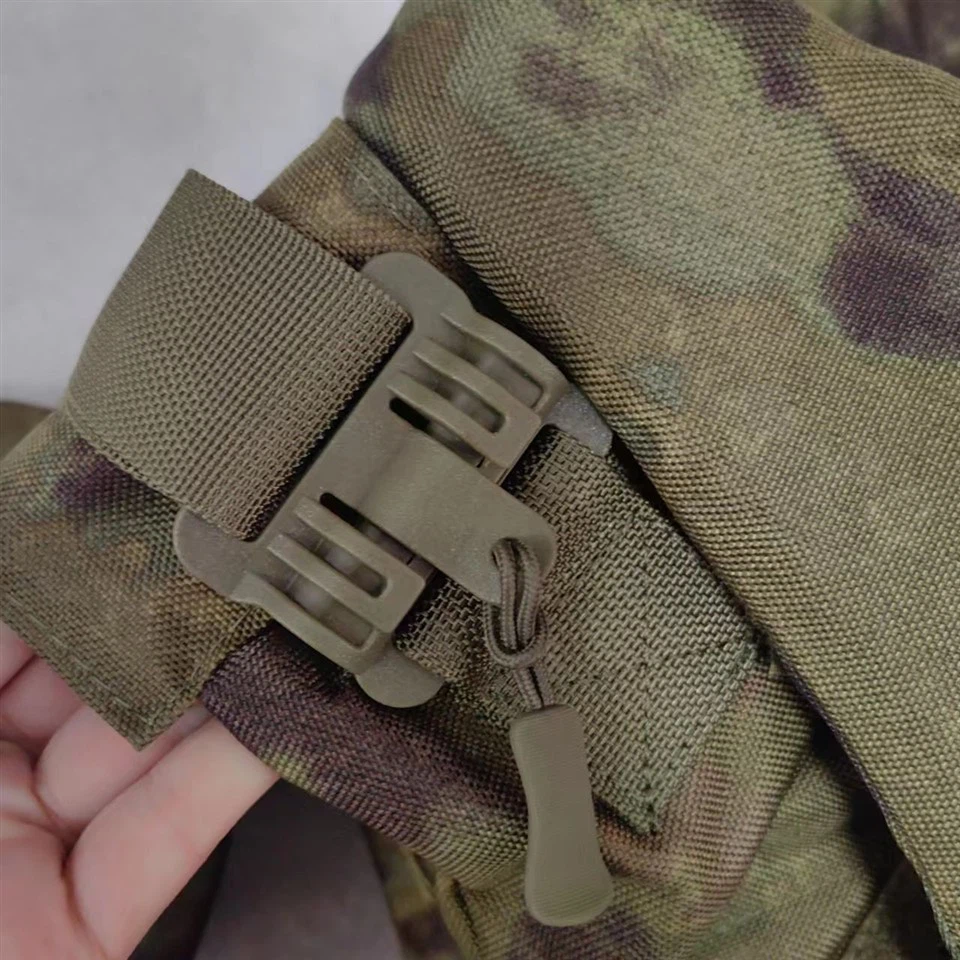
- Attachment Straps or Clips: These are used to fasten the radio holster to the vest. Look for strong and adjustable straps or clips.
- Antenna: Ensure that your radio has a proper antenna for clear communication. You may need to adjust the antenna length for optimal performance.
Step - by - Step Guide to Connecting a Radio to a Tactical Vest
Step 1: Prepare the Radio Holster
First, make sure the radio holster is clean and free of any debris. Check that all the straps and clips are in good condition. If the holster has adjustable straps, adjust them to fit your radio snugly.
Step 2: Attach the Radio to the Holster
Place the radio into the holster. Make sure it is properly seated and that all the buttons and controls are accessible. If the holster has a locking mechanism, engage it to prevent the radio from falling out.
Step 3: Choose an Attachment Point on the Vest
Look for a suitable attachment point on the tactical vest. This could be a MOLLE (Modular Lightweight Load - carrying Equipment) webbing, a D - ring, or a dedicated radio attachment area. Consider the location based on your comfort and accessibility. For example, if you are right - handed, you may want to attach the radio on the right side of the vest for easy access.
Step 4: Attach the Radio Holster to the Vest
Use the attachment straps or clips to fasten the radio holster to the chosen attachment point on the vest. Make sure the holster is securely attached and does not move around during movement. If using MOLLE webbing, thread the straps through the webbing and tighten them firmly.
Step 5: Adjust the Antenna
Once the radio is attached to the vest, adjust the antenna to the appropriate length. This will help improve the radio's signal strength and range. You may need to experiment with different lengths to find the optimal setting.
Step 6: Test the Radio
Before heading out on a mission, test the radio to ensure it is working properly. Make a few test calls to your team members and check the clarity of the communication. If there are any issues, troubleshoot them before proceeding.
Tips for Maintaining the Radio and Vest Connection
- Regular Inspections: Periodically check the radio holster and attachment straps for any signs of wear or damage. Replace any worn - out parts immediately.
- Cleaning: Keep the radio and the vest clean. Use a mild detergent and a soft cloth to clean the radio, and follow the manufacturer's instructions for cleaning the vest.
- Proper Storage: When not in use, store the radio and the vest in a cool, dry place. Avoid exposing them to extreme temperatures or moisture.
Conclusion
Connecting a radio to a tactical vest is a straightforward process that can significantly enhance your communication capabilities in tactical operations. As a tactical vest supplier, we are committed to providing you with high - quality vests that are designed to accommodate radios and other essential equipment.
If you are interested in purchasing our tactical vests or have any questions about connecting a radio to a vest, we encourage you to reach out to us for a procurement discussion. We are here to help you find the best solutions for your tactical needs.
References
- Military Tactical Equipment Handbook
- Law Enforcement Equipment Guide
- Radio Communication Manual for Tactical Operations