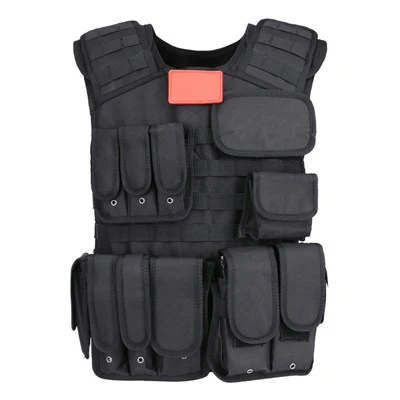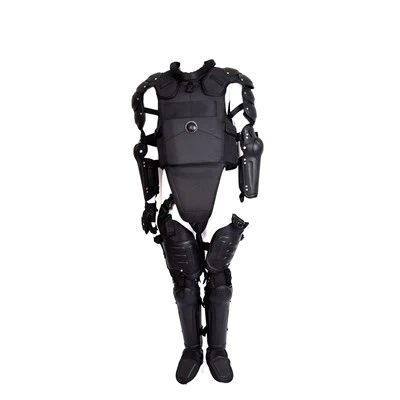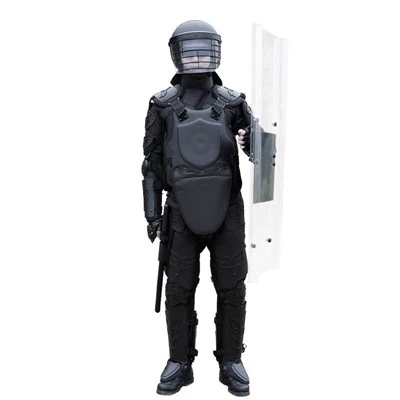
If you’re running a tactical gear operation, you already know a bulletproof plate carrier isn’t just another piece of equipment—it’s a tool that keeps your team safe, day in and day out. Over time, those carriers get dusty, caked in mud, splattered with sweat and rain, and even stained with bodily fluids in high-stakes use. Skimping on cleaning doesn’t just make your gear look unkempt; it can break down fabric fibers, reduce the integrity of MOLLE webbing, and even compromise the fit of your plates if hidden debris builds up. As a supplier, I’ve spent years working with first responders, military units, and security teams to refine cleaning practices that work for the heavy use our gear sees, and today I’m breaking down the step-by-step process to clean a plate carrier the right way—plus, I’ll share a few tips to keep your gear in top shape between deep cleans.
First, let’s start with the basics: what you’ll need to get the job done. Skip harsh bleach or abrasive detergents here—those are for laundry rooms, not tactical gear, because they eat away at the durable nylon and aramid fibers that make up most plate carriers. Instead, stick with a mild, pH-neutral detergent (like the kind used for activewear or delicate fabrics), a soft-bristled brush (an old toothbrush works for tight spots), a bucket of cool or lukewarm water, and a few microfiber towels for drying. You’ll also want a flat, well-ventilated space to work, not a dryer or direct sunlight (heat and sun damage fibers faster than dirt ever will).
Before you even touch water to your carrier, a critical first step: remove all plates, inserts, and accessories. Soft armor inserts (like the ones in the Aramid Bulletproof Vest lineup) are not machine washable, and hard ceramic or steel plates? They’ll warp, crack, or lose their protective coating if submerged. Toss in the loose pieces—MOLLE attachments, gear pouches, hydration bladders, and Velcro patches—into a separate load if you’re machine washing (but only if the pouch tags say it’s safe; many small pouches can handle a gentle cycle). For Velcro patches, you can hand wash them separately with a drop of detergent and a little water, then lay them flat to dry so the hook-and-loop doesn’t get tangled in other gear.
Now, the pre-soak and spot cleaning. Most people want to throw the whole carrier in the wash right away, but that’s a mistake—grime and stains set in faster when you don’t address them first. Fill your bucket with lukewarm water (no hotter than 100°F, about the temperature of a warm shower) and add a tablespoon of that mild pH-neutral detergent. Dunk your carrier, let it soak for 15 to 20 minutes—any longer than that, and the water can seep into the stitching and cause mold over time, especially if you’re working in a damp space. After soaking, grab that soft-bristled brush and scrub any caked-on mud, sweat stains, or areas around the MOLLE webbing, Velcro panels, and shoulder straps. MOLLE is notorious for trapping dirt between the straps, so work the brush in and out of the gaps gently—don’t scrub hard enough to fray the nylon. For any stubborn grease stains (common from food on long patrols), add a tiny bit more detergent to the brush and work it in, then wipe with a damp microfiber cloth until the stain lifts.
Once spot cleaning is done, you can opt for either hand washing or gentle machine washing, depending on how dirty your carrier is. Hand washing is the safer bet for most full cleans: take your carrier back to the bucket, swish it around gently, focusing on areas that were extra dirty, then rinse thoroughly with cool clean water until all suds are gone. Suds left in the fabric will attract dirt and cause odors over time, so don’t skip the rinse. If your carrier is really grimy and the tags explicitly say it’s machine washable (many of our Tactical Vest and Tactical Jacket Police styles are built for this), use a front-loading machine on the gentlest cycle, no spin cycle higher than medium, and skip fabric softeners entirely—they coat fibers and break down their strength. If you use a top-loading machine, make sure to remove the agitator if possible, or place the carrier in a mesh laundry bag to keep it from twisting and tangling.
After washing, drying is the most important step to protect your gear’s integrity. Never put your carrier in a dryer—even on low heat, the hot air can melt nylon fibers, warp stitching, and damage any remaining soft armor components. Never hang it in direct sunlight, either; UV rays weaken synthetic fibers over time. Instead, lay it flat on a clean, dry towel in a well-ventilated room, out of direct sun. Pull the straps and panels into their natural shape as you lay it down, so they don’t dry twisted or misshapen. Let it air dry for at least 24 hours, turning it halfway through so all sides get air circulation. If you’re in a hurry, you can use a fan to speed up the process, but keep it on low, and don’t rush it—wet fabric can harbor bacteria that cause odors, and damp stitching can develop mold if you store it before it’s fully dry.
Now, a few key do’s and don’ts I’ve learned from working with gear teams for years. Do: clean your carrier after every heavy use, not just when it looks dirty—sweat and salt can break down fabric fibers over time. Do: lubricate MOLLE webbing every few months with a silicone-based lubricant (not WD-40, which is petroleum-based) to keep it flexible and easy to thread gear through. Don’t: ever machine wash hard plates or soft armor inserts—those are meant to be surface cleaned only. For soft armor panels, wipe them down with a damp microfiber cloth and a tiny bit of detergent, then air dry, same as your carrier. Don’t: use any products with enzymes or bleach on your carrier—enzymes can eat away at aramid fibers, and bleach discolors fabric and weakens its protective properties.


If you’re in the market for a new plate carrier or related gear, our lineup is built for the kind of heavy use our customers see. We carry Molle Plate Carrier models, Nij Iiia Bulletproof Vest options, and all the accessories you need to keep your setup working hard, day in and day out. Whether you’re outfitting a small team or a full department, we’re here to help you find the right gear for your needs. If you’re ready to place a bulk order or have questions about maintenance, reach out to our team to discuss your requirements and get a customized solution that fits your mission.
References
- Tactical Equipment Maintenance Association. (2022). Care and Cleaning Guidelines for Tactical Body Armor and Carriers. TEMA Technical Bulletin 12-02.
- National Institute of Justice. (2019). Body Armor Durability and Lifespan Study. NIJ Standard-0101.06 Appendices.
- International Organization for Standardization. (2021). Textiles – Care Labelling of Textile Products: Symbols and Text Instructions. ISO 3758:2021.
- American Textile Manufacturers Institute. (2020). Care Practices for Nylon and Aramid Fabrics Used in Tactical Gear. ATMI Technical Report 20-07.