Can an Aramid Ballistic Vest be adjusted?
As a supplier of Aramid Ballistic Vests, I often encounter questions from customers regarding the adjustability of these life - saving pieces of equipment. The adjustability of an Aramid Ballistic Vest is not only a matter of comfort but also of functionality and effectiveness.
The Importance of Adjustability
Adjustability in a ballistic vest is crucial for several reasons. First and foremost, it ensures a proper fit. A well - fitting vest is essential for maximum protection. If the vest is too loose, it may shift during movement, leaving vital areas exposed. On the other hand, a vest that is too tight can restrict movement, which is a significant drawback, especially for those in high - intensity jobs such as law enforcement officers, military personnel, or security guards.
Secondly, adjustability allows for customization according to the user's body shape and size. People come in all shapes and sizes, and a one - size - fits - all approach simply does not work when it comes to ballistic protection. An adjustable vest can be tailored to fit different body types, providing a more personalized and effective solution.
How Aramid Ballistic Vests are Adjusted
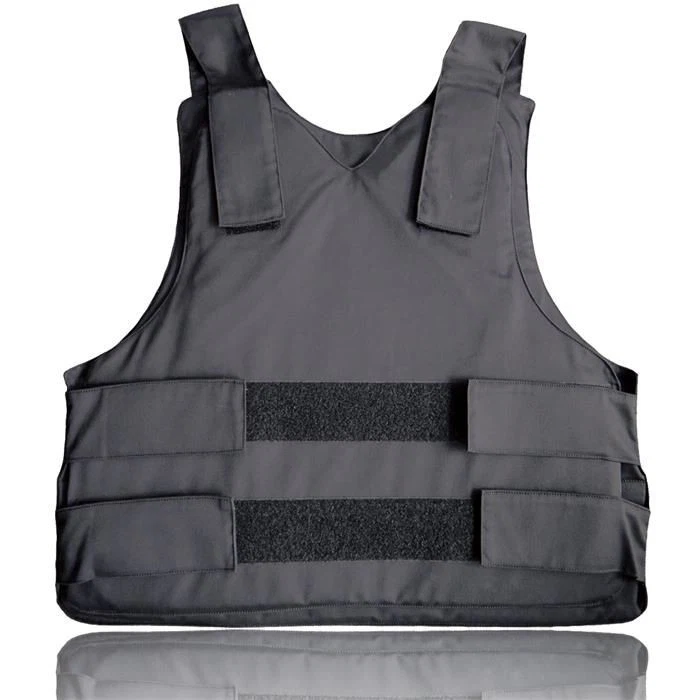
Most Aramid Ballistic Vests are designed with multiple adjustment points. The most common adjustment areas include the waist, shoulders, and sides.
Waist Adjustment: This is typically done using straps or buckles around the waist. By tightening or loosening these straps, the user can control the fit of the vest around the mid - section. A proper waist adjustment ensures that the vest stays in place and does not ride up or down during movement.
Shoulder Adjustment: Shoulder straps are another key adjustment point. They can be adjusted to change the height of the vest on the body. This is important because it affects how the vest covers the chest and upper abdomen. If the shoulder straps are too loose, the vest may sag, while overly tight straps can cause discomfort and restrict movement.
Side Adjustment: Many vests also have adjustable sides. These can be in the form of Velcro closures, zippers, or straps. Side adjustment helps to customize the width of the vest, making it fit snugly around the body.
Factors Affecting Adjustability
There are several factors that can affect the adjustability of an Aramid Ballistic Vest.
Material Properties: Aramid fibers, which are used in these vests, have certain properties that can impact adjustability. Aramid is a strong and durable material, but it may have limited stretch. This means that the adjustment mechanisms need to be carefully designed to work within the constraints of the material. For example, the straps and buckles need to be able to hold the vest in place without causing excessive stress on the aramid fabric.
Design Complexity: The design of the vest also plays a role. Some vests may have more complex adjustment systems, which can offer greater customization but may also be more difficult to use. On the other hand, simpler designs may be easier to adjust but may offer less fine - tuning.
User Requirements: Different users have different requirements. For example, a military soldier may need a vest that can be quickly adjusted in the field, while a security guard may prioritize long - term comfort. These user requirements need to be taken into account when designing and adjusting the vest.
Comparing Adjustability with Other Types of Ballistic Vests
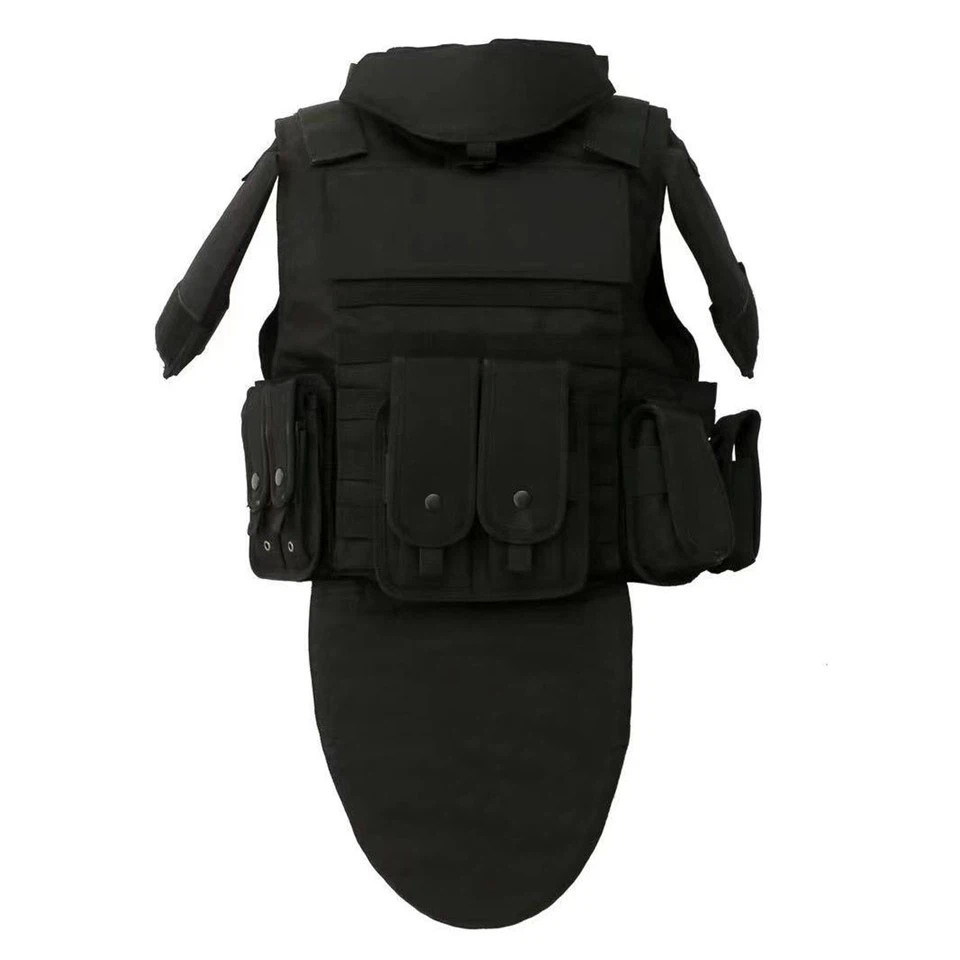
When comparing Aramid Ballistic Vests with other types of vests, such as Bulletproof Uniform, Full Body Armor Vest, Bulletproof Plate Carrier, Body Armor Vest, and Camouflage Bulletproof Vest, each type has its own characteristics in terms of adjustability.
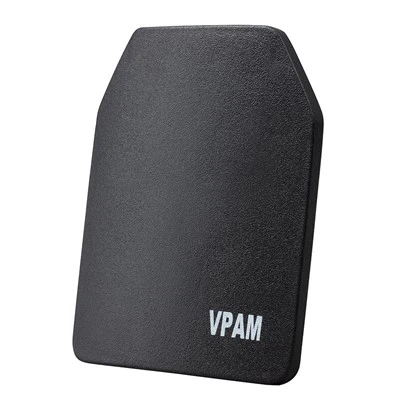
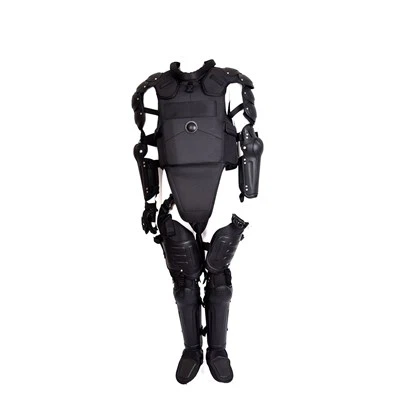
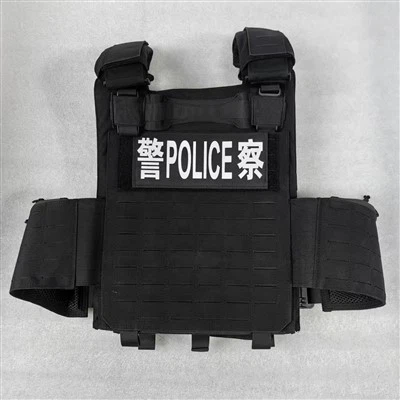
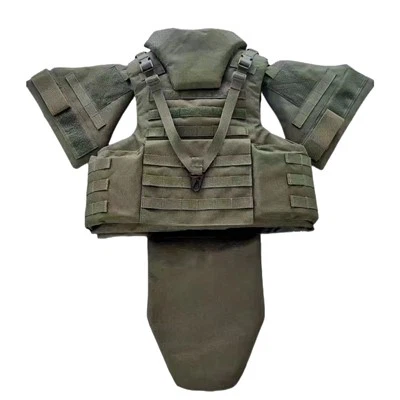
Bulletproof uniforms are often integrated into clothing, which may limit the adjustability compared to standalone vests. However, they offer the advantage of being more discreet. Full - body armor vests, on the other hand, may have more extensive adjustment options due to their larger coverage area. Bulletproof plate carriers typically have adjustable straps to hold the plates in place, and they can be adjusted to fit different body sizes and shapes. Body armor vests and camouflage bulletproof vests also have their own unique adjustment features, depending on their design and intended use.
Ensuring Proper Adjustment
To ensure that an Aramid Ballistic Vest is properly adjusted, the following steps can be taken:
Initial Fitting: The user should put on the vest and adjust the straps and closures to get a general fit. This should be done while standing upright with normal posture.
Movement Testing: After the initial fitting, the user should perform a series of movements, such as bending, stretching, and walking. This will help to identify any areas where the vest is too tight or too loose.
Fine - Tuning: Based on the movement testing, the user can make further adjustments to the straps and closures. It may take a few attempts to get the perfect fit.
Regular Checks: Even after the initial adjustment, it is important to regularly check the fit of the vest. Factors such as weight changes, clothing layers, and wear and tear can affect the fit over time.
The Role of the Supplier in Adjustability
As a supplier of Aramid Ballistic Vests, we play a crucial role in ensuring that our customers can adjust their vests properly. We provide detailed instructions on how to adjust the vests, and our customer service team is always available to answer any questions. We also offer fitting services in some cases, where we can help the customer to get the best fit for their specific needs.
In addition, we continuously improve the design of our vests to enhance adjustability. We invest in research and development to find new materials and adjustment mechanisms that can provide better fit and comfort.
Conclusion
In conclusion, an Aramid Ballistic Vest can be adjusted, and adjustability is a vital feature that enhances both comfort and protection. By understanding the importance of adjustability, how the vests are adjusted, and the factors that affect it, users can ensure that they get the most out of their ballistic vests.
If you are in the market for an Aramid Ballistic Vest or have any questions about adjustability or our products, we invite you to contact us for a detailed discussion. Our team of experts is ready to assist you in finding the perfect vest for your needs.
References
- Ballistic Protection Handbook, Second Edition. CRC Press.
- Journal of Applied Polymer Science, various issues on aramid fibers and their applications in ballistic vests.