Hey there, security folks! As a defense baton supplier, I've seen firsthand how these tools can be game - changers in the security industry. But with great power comes great responsibility, right? So, let's talk about the guidelines for using a defense baton in a security job.
1. Legal Considerations
First off, you gotta know the law. Laws regarding the use of defense batons vary from place to place. In some areas, security personnel are legally allowed to carry and use batons, but there are strict rules on when and how they can be deployed.
Before you even think about using a baton, make sure you're fully aware of the local, state, and federal regulations. Ignorance of the law is no excuse, and breaking these rules can land you in some serious hot water. For example, in some places, you can only use a baton in self - defense or to protect others from immediate harm. If you use it in a situation where it's not legally justifiable, well, you're in trouble.
It's also essential to keep up - to - date with any changes in the law. The legal landscape is always evolving, and what was okay last year might not be okay this year. So, do your homework, and if you're not sure, consult with a legal expert who specializes in security - related laws.
2. Training is Key
You wouldn't get behind the wheel of a car without learning how to drive, right? The same goes for using a defense baton. Proper training is absolutely crucial.
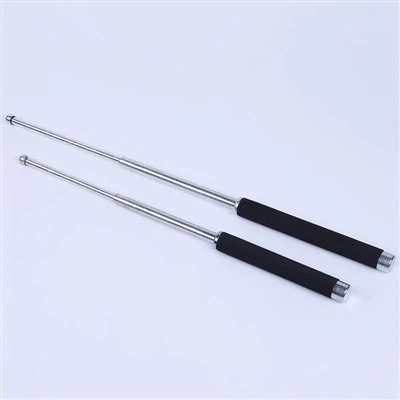
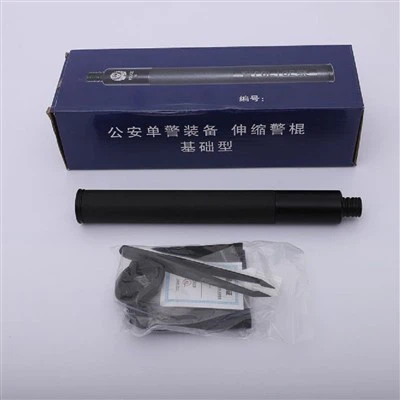
First, you need training on how to handle the baton safely. This includes learning how to draw it from its holster, extend it (if it's a telescopic one), and retract it without hurting yourself. For instance, our Metal Telescopic Baton is a great option, but it requires some skill to handle properly.
Next, you should be trained in the different techniques of using the baton. There are specific strikes and holds that are designed to be effective while minimizing the risk of serious injury. A good training program will teach you when to use a light tap to deter someone and when a stronger strike might be necessary. You'll also learn about target areas. Some parts of the body are more sensitive or vulnerable than others, and you need to know which ones to avoid to prevent unnecessary harm.
Regular refresher courses are also a must. As time goes by, you can forget some of the techniques you've learned. Plus, new research might emerge that shows better or safer ways to use the baton. So, make sure to sign up for these refresher courses regularly.
3. When to Use a Baton
This is a really important question. You should only use a baton as a last resort. Security guards are expected to de - escalate situations whenever possible. Try to talk to the person causing trouble, use your verbal skills to calm them down. If you can resolve the issue without using the baton, that's the best outcome.
But there are times when using a baton becomes necessary. For example, if someone is attacking you or another person with a weapon or if they're causing serious physical harm to others and all other non - violent methods have failed. In these situations, the baton can be used to stop the threat in a controlled way.
It's also important to assess the threat level accurately. Just because someone is being loud or unruly doesn't mean you should pull out your baton. You need to make a quick but informed decision about whether the situation really calls for its use.
4. Proper Maintenance
Your defense baton is like a tool in your toolbox. If it's not well - maintained, it might not work when you need it most.
First, keep it clean. Dirt, debris, and moisture can all affect the performance of the baton. For metal batons, like our Police Metal Baton, regular cleaning can prevent rust. You can use a mild soap and water to clean it, and then dry it thoroughly.
Check the baton for any signs of damage regularly. Look for cracks, dents, or loose parts. If you notice any problems, don't use the baton until it's been repaired or replaced. A damaged baton can be dangerous to use, as it might break during a critical moment.


Lubrication is also important, especially for telescopic batons. Our Aluminium Telescopic Baton and Police Telescopic Stick rely on smooth movement of the telescoping parts. Use a suitable lubricant to ensure that they extend and retract smoothly.
5. Reporting and Documentation
After using a defense baton, you need to report it properly. This is important for several reasons. First, it's a way of being accountable for your actions. Your employer and the relevant authorities need to know what happened.
Write a detailed report about the incident. Include information like the time, location, who was involved, what led up to the use of the baton, and how it was used. Be as objective as possible. Don't try to cover up or exaggerate anything.
Documentation is also important for legal reasons. If there are any questions or disputes later on, your report can serve as evidence of what actually happened. So, keep your reports organized and store them in a secure place.
6. Choosing the Right Baton
As a defense baton supplier, I know there are various types of batons out there, and choosing the right one for your security job is crucial.
If you need a lightweight option that's easy to carry around for long periods, our Aluminium Expandable Baton might be a great choice. It's made of aluminum, which is both strong and light.
On the other hand, if you're looking for something more heavy - duty and durable, a metal baton could be the way to go. Our Metal Telescopic Baton provides a solid impact and is built to last.
Consider the environment in which you'll be working. If you're in a tight space, a telescopic baton that can be easily extended and retracted might be more practical. But if you have more room to maneuver, a non - telescopic baton could be a good option.
Ultimately, the right baton for you depends on your specific needs and circumstances. If you're not sure which one to choose, feel free to reach out to us for advice.
In conclusion, using a defense baton in a security job requires a lot of responsibility. By following these guidelines, you can use the baton effectively and safely. If you're in the market for high - quality defense batons, we're here to help. Whether you need a Metal Telescopic Baton, an Aluminium Telescopic Baton, Police Metal Baton, Police Telescopic Stick or an Aluminium Expandable Baton, we've got you covered. Contact us to discuss your procurement needs and find the perfect baton for your security team.
References
- Smith, J. (2020). "Best Practices for Security Equipment Usage". Security Journal.
- Johnson, R. (2021). "Legal Guidelines for Security Tools". Law and Order Magazine.