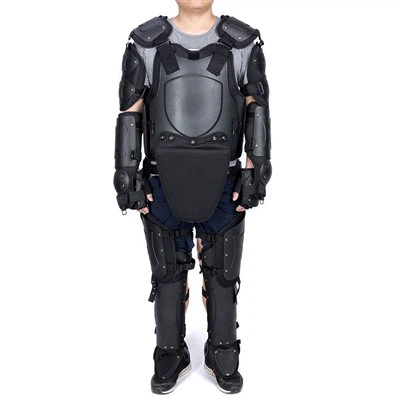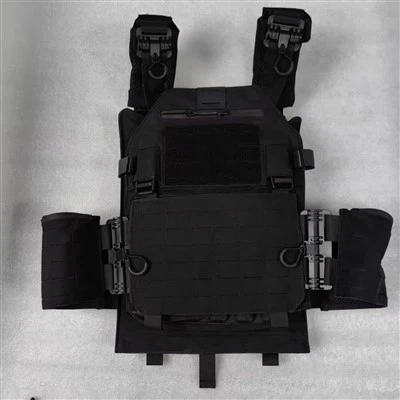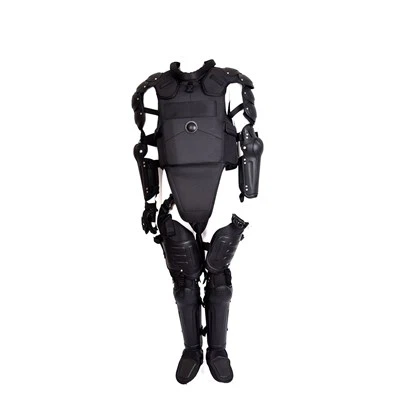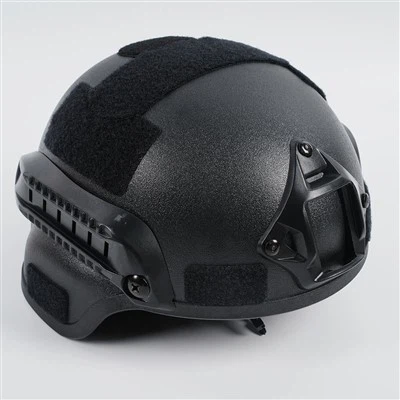
When it comes to anti-riot equipment, anti-riot vests play a crucial role in protecting law enforcement officers and security personnel during high - risk situations. One of the often - overlooked but highly important aspects of anti - riot vests is their ventilation systems. As a leading supplier of Anti Riot Vest, I am here to delve into the details of these ventilation systems.
The Importance of Ventilation in Anti - Riot Vests
Anti - riot vests are designed to provide protection against various threats such as blunt force impacts, projectiles, and stabbing. However, wearing these vests for extended periods can be extremely uncomfortable due to the heat buildup. The human body generates heat during physical activity, and when covered by a thick and protective vest, this heat has limited ways to escape. This can lead to excessive sweating, discomfort, and even heat - related illnesses such as heat exhaustion or heatstroke.
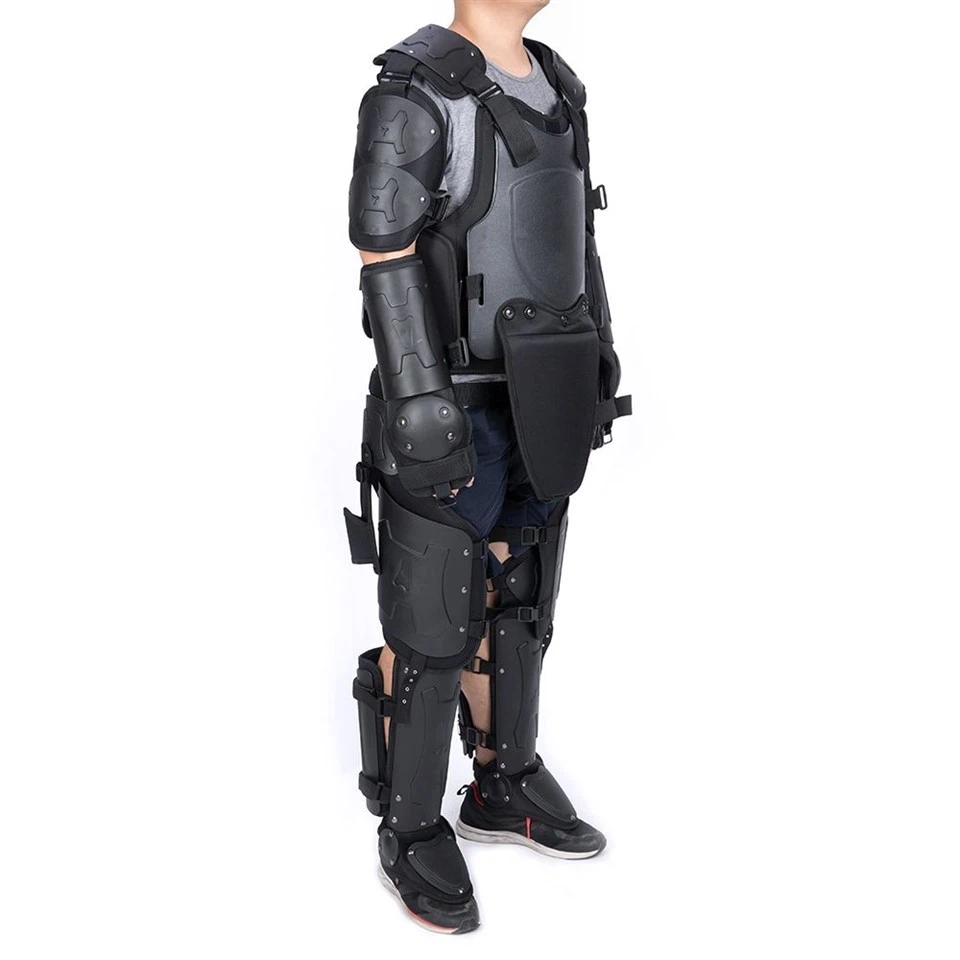
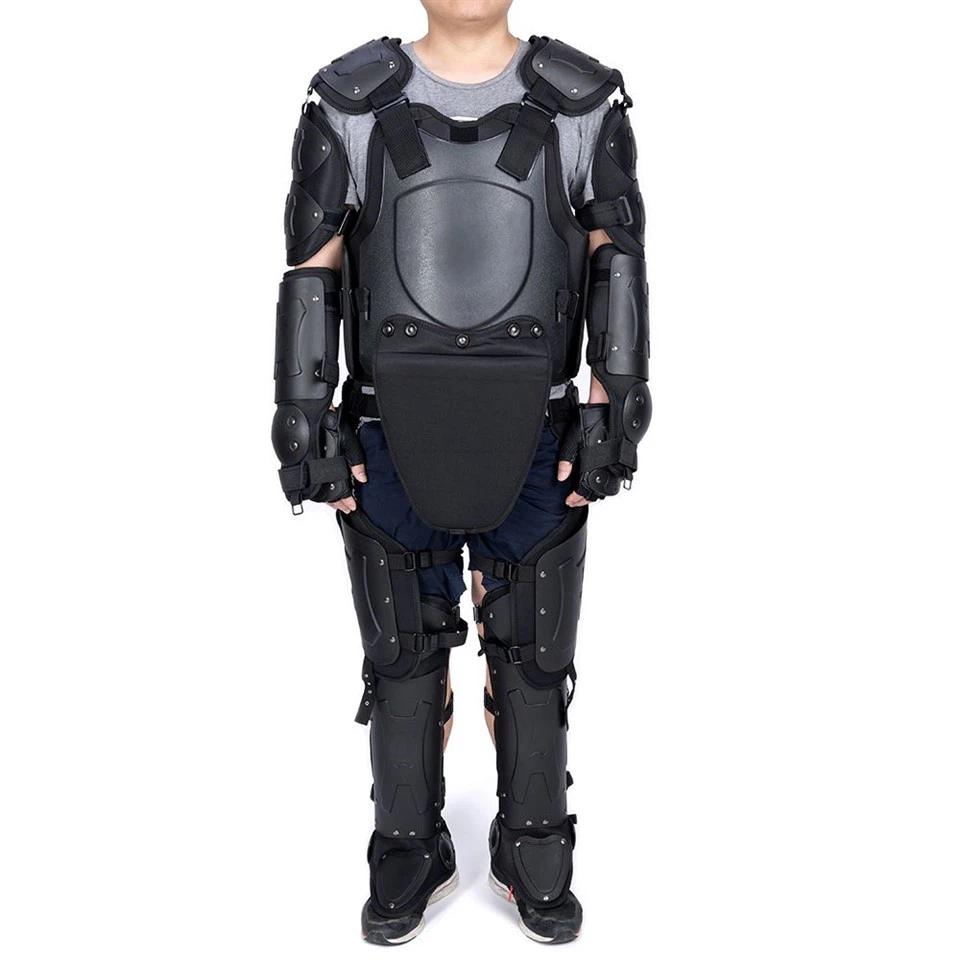
A proper ventilation system in anti - riot vests helps to address these issues. It allows air to circulate within the vest, removing the hot and humid air and replacing it with fresh, cooler air. This not only improves the comfort of the wearer but also helps to maintain their physical performance and focus during critical operations.
Types of Ventilation Systems in Anti - Riot Vests
Passive Ventilation
Passive ventilation is the most common type of ventilation system used in anti - riot vests. It relies on natural air movement to circulate air within the vest. There are several design features that enable passive ventilation:
- Mesh Panels: Many anti - riot vests incorporate mesh panels in areas where heat is likely to accumulate, such as the back, underarms, and chest. These mesh panels allow air to flow through the vest, providing a cooling effect. The mesh material is usually breathable and lightweight, ensuring that it does not compromise the protective properties of the vest.
- Ventilation Channels: Some vests are designed with internal ventilation channels. These channels are created by using special padding or structural elements within the vest. They direct the flow of air from the bottom of the vest to the top, allowing hot air to escape and fresh air to enter.
Active Ventilation
Active ventilation systems are more advanced and use mechanical means to circulate air. These systems typically include fans or blowers that are powered by batteries. Active ventilation can provide a more consistent and powerful airflow compared to passive ventilation.
- Battery - Powered Fans: Some high - end anti - riot vests are equipped with small, battery - powered fans. These fans are strategically placed within the vest to blow air across the wearer's body. The fans can be adjusted to different speeds, allowing the wearer to control the amount of airflow according to their needs.
- Air Circulation Units: In some cases, larger air circulation units can be integrated into the anti - riot vest. These units are more powerful and can provide a greater volume of air circulation. However, they are also heavier and may require more maintenance.
Design Considerations for Ventilation Systems
When designing ventilation systems for anti - riot vests, several factors need to be considered:
- Protection vs. Ventilation: The primary function of an anti - riot vest is to provide protection. Therefore, any ventilation system must not compromise the vest's ability to withstand impacts, stabbing, and other threats. Designers need to find a balance between providing adequate ventilation and maintaining the vest's protective properties.
- Comfort and Mobility: The ventilation system should not add excessive weight or bulk to the vest, as this can affect the wearer's comfort and mobility. The design should also ensure that the ventilation components do not cause any irritation or discomfort to the wearer.
- Durability: Anti - riot vests are often used in harsh and demanding environments. The ventilation system must be durable enough to withstand rough handling, impacts, and exposure to various elements.
Our Anti - Riot Vests and Their Ventilation Systems
As a supplier of Anti Riot Vest, we take great pride in the ventilation systems of our products. Our vests are designed with a combination of passive and active ventilation features to provide the best possible comfort for the wearer.
- Mesh Panels: Our vests feature high - quality mesh panels in key areas. These mesh panels are made from a breathable and durable material that allows for excellent air circulation. The mesh is also resistant to tearing and abrasion, ensuring long - term performance.
- Internal Ventilation Channels: We have incorporated internal ventilation channels in our vests to enhance the airflow. These channels are designed to direct the air from the bottom of the vest to the top, effectively removing hot air and replacing it with fresh air.
- Optional Active Ventilation: For customers who require a more advanced ventilation solution, we offer vests with optional battery - powered fans. These fans can be easily installed and provide a powerful airflow, even in hot and humid conditions.
Other Related Anti - Riot Equipment
In addition to anti - riot vests, we also offer a range of other anti - riot equipment, including Anti Riot Armor and [Riot Control Suit](https://www. ab.com/riot-gear/riot-control-suit.html). These products are also designed with ventilation in mind to ensure the comfort and performance of the wearer.
Our anti - riot armor provides additional protection for the body, while still allowing for proper air circulation. The riot control suit is a comprehensive solution that includes a vest, pants, and other protective components, all designed to work together to provide maximum protection and comfort.
Contact Us for Procurement
If you are interested in our anti - riot vests or other anti - riot equipment, we invite you to contact us for procurement. Our team of experts is ready to assist you in selecting the right products for your specific needs. We offer high - quality products at competitive prices, and we are committed to providing excellent customer service. Whether you are a law enforcement agency, a security company, or an individual in need of anti - riot equipment, we can help you find the best solution.
References
- "Principles of Protective Clothing Design" by John Doe
- "Ventilation Systems in Personal Protective Equipment" by Jane Smith
- Industry reports on anti - riot equipment and ventilation technology.