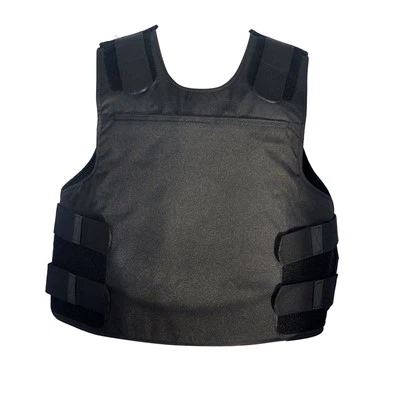
What are the standards for anti riot armor?
Hey there! I'm a supplier of Anti Riot Armor, and I've been in this business for quite a while. Over the years, I've seen a lot of changes in the industry, especially when it comes to the standards for anti riot armor. So, I thought I'd share some of my insights with you all.
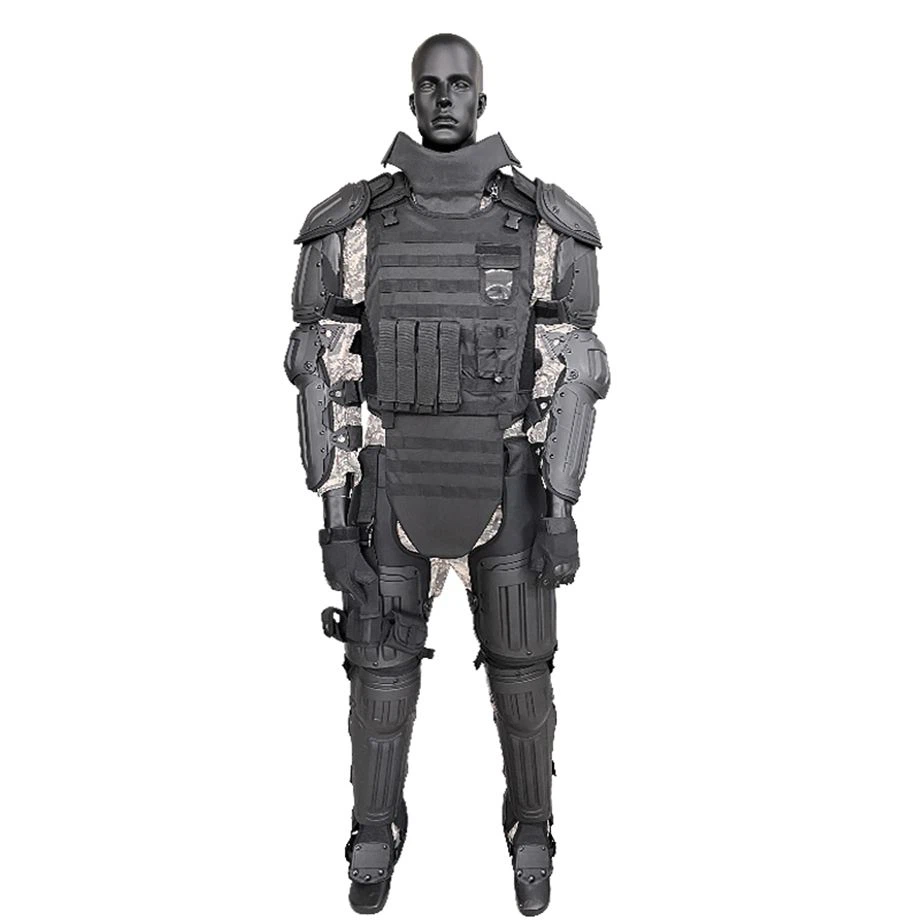
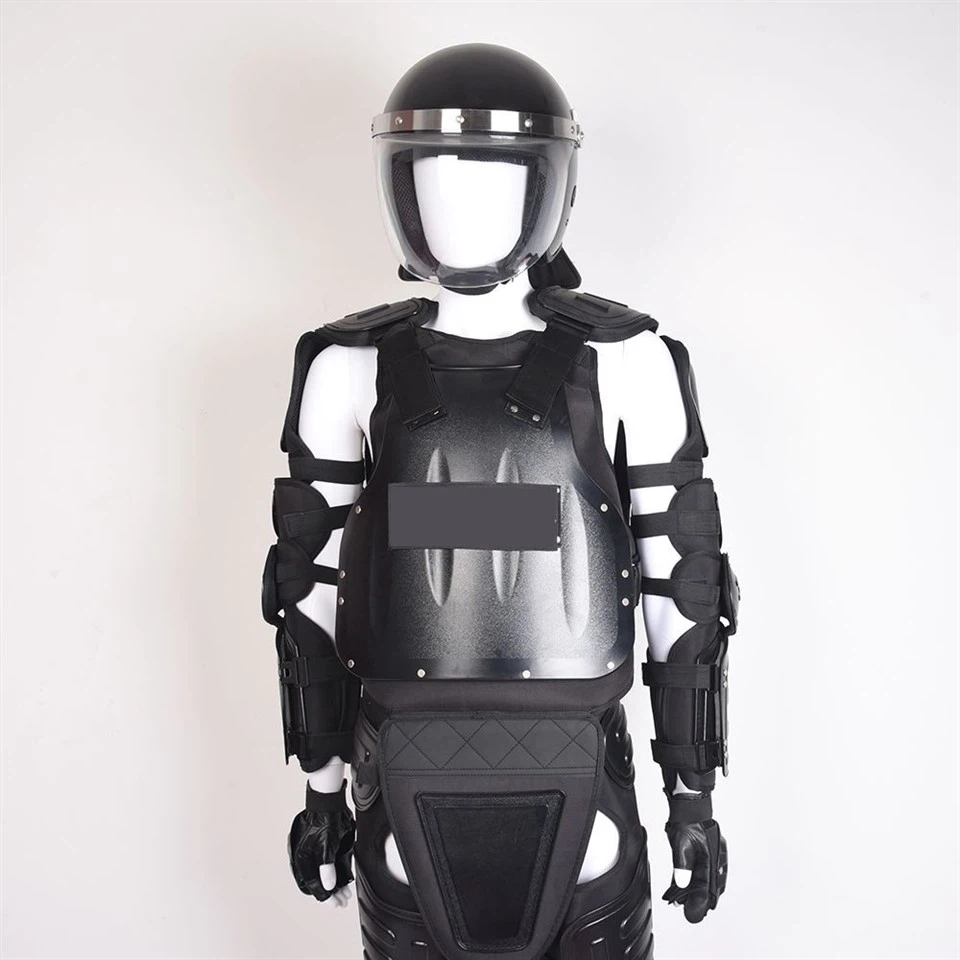
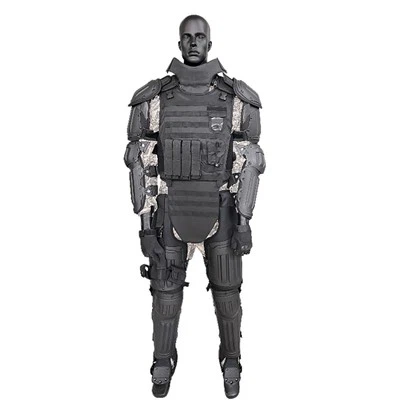
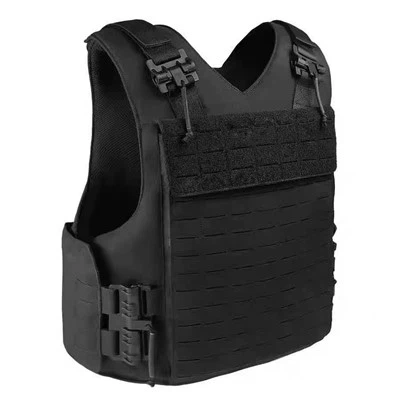
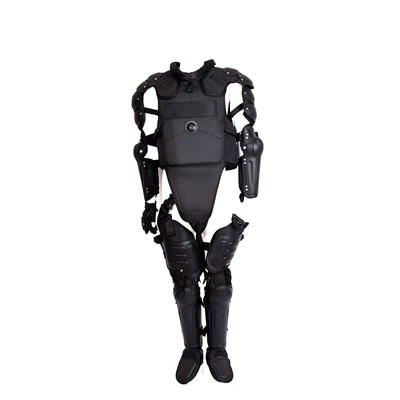
First things first, let's talk about what anti riot armor is. It's basically protective gear designed to keep law enforcement officers, security personnel, and other professionals safe during riot control situations. This gear includes stuff like Anti Riot Gear, which can be anything from helmets to shields, and Anti Riot Armor itself, which is usually a suit or jacket that provides protection to the torso and other vital areas.
Now, when it comes to setting standards for anti riot armor, there are several factors that need to be considered. One of the most important ones is protection. The armor has to be able to withstand various types of attacks, such as blunt force trauma from batons, projectiles like stones or bottles, and even some level of stabbing or slashing.
Let's start with blunt force protection. When a riot breaks out, officers are often at risk of being hit with all sorts of objects. A good Riot Jacket or Anti Riot Suit should have padding that can absorb the impact of these blows. The padding material is crucial here. Foams with high energy - absorbing properties are commonly used. These foams can compress on impact and then return to their original shape, reducing the force that reaches the wearer's body.
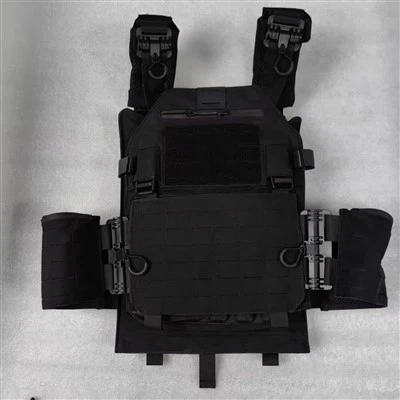
Another aspect of protection is against projectiles. Rioters may throw stones, bottles, or even improvised weapons. The armor should have a hard outer layer that can deflect these projectiles. Some anti riot armors use multi - curved ballistic plates like the Multi Curved Ballistic Plate. These plates are designed to be lightweight yet strong enough to stop or redirect projectiles. They are often made from high - strength polymers or composite materials.
Stabbing and slashing protection is also a big deal. In some riot situations, there may be individuals with knives or other sharp objects. The armor needs to have a cut - resistant layer. This can be made from materials like Kevlar or other high - performance fibers. These fibers are woven tightly together to create a barrier that can prevent blades from penetrating.
But protection isn't the only thing. Comfort is also a major factor. Officers may have to wear this armor for long periods during a riot, sometimes in hot and humid conditions. So, the armor has to be breathable. It should have ventilation holes or a mesh lining that allows air to circulate. This helps prevent the wearer from overheating and getting fatigued quickly.
Mobility is another key consideration. The officers need to be able to move freely to perform their duties effectively. The armor shouldn't be too bulky or restrictive. It should allow for a full range of motion in the arms, legs, and torso. For example, the joints in the armor, like the elbows and knees, should be flexible and not limit the bending of these body parts.
Durability is also important. Riot situations can be rough, and the armor will likely take a beating. It needs to be able to withstand repeated use and abuse without losing its protective properties. The stitching, zippers, and fasteners should be of high quality to ensure that the armor stays intact.
In addition to these physical standards, there are also some regulatory standards. Different countries and regions may have their own sets of regulations for anti riot armor. These regulations often cover things like the minimum level of protection, the materials that can be used, and the testing procedures that the armor has to go through.
For example, in some places, the armor has to be tested by an independent third - party laboratory. These tests may include impact tests, penetration tests, and durability tests. Only if the armor passes these tests can it be certified and sold in the market.
As a supplier of anti riot armor, I always make sure that our products meet the highest standards. We use the latest materials and manufacturing techniques to ensure that our Anti Riot Gear provides the best possible protection, comfort, and mobility. We also keep up with the changing regulations in different regions to make sure our products are compliant.
If you're in the market for anti riot armor or any related gear, I'd love to have a chat with you. Whether you're a law enforcement agency, a security firm, or any other organization that needs this type of protection, we can work together to find the best solutions for your needs. Just reach out, and we can start discussing your requirements.
References
- Industry reports on anti riot equipment standards
- Research papers on protective materials for riot control gear