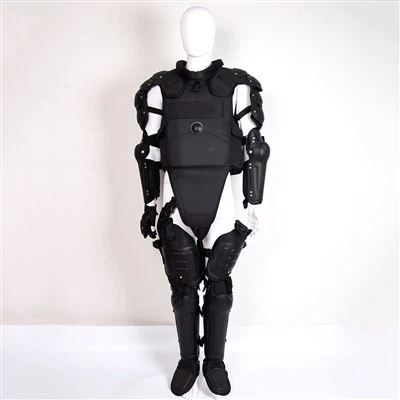
Is riot gear recyclable? That's a question I've been getting a lot lately, and as a supplier of Anti Riot Gear, I think it's high time we dug into this topic.
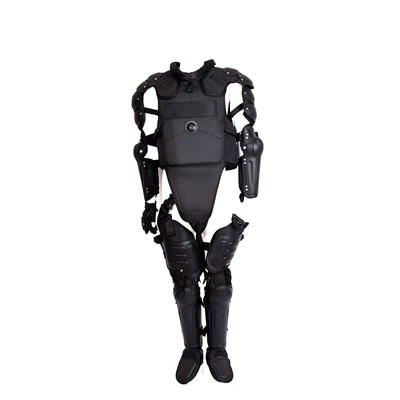
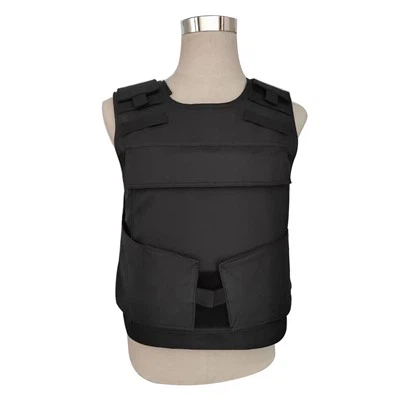
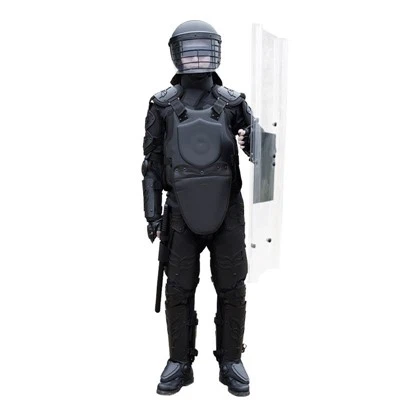
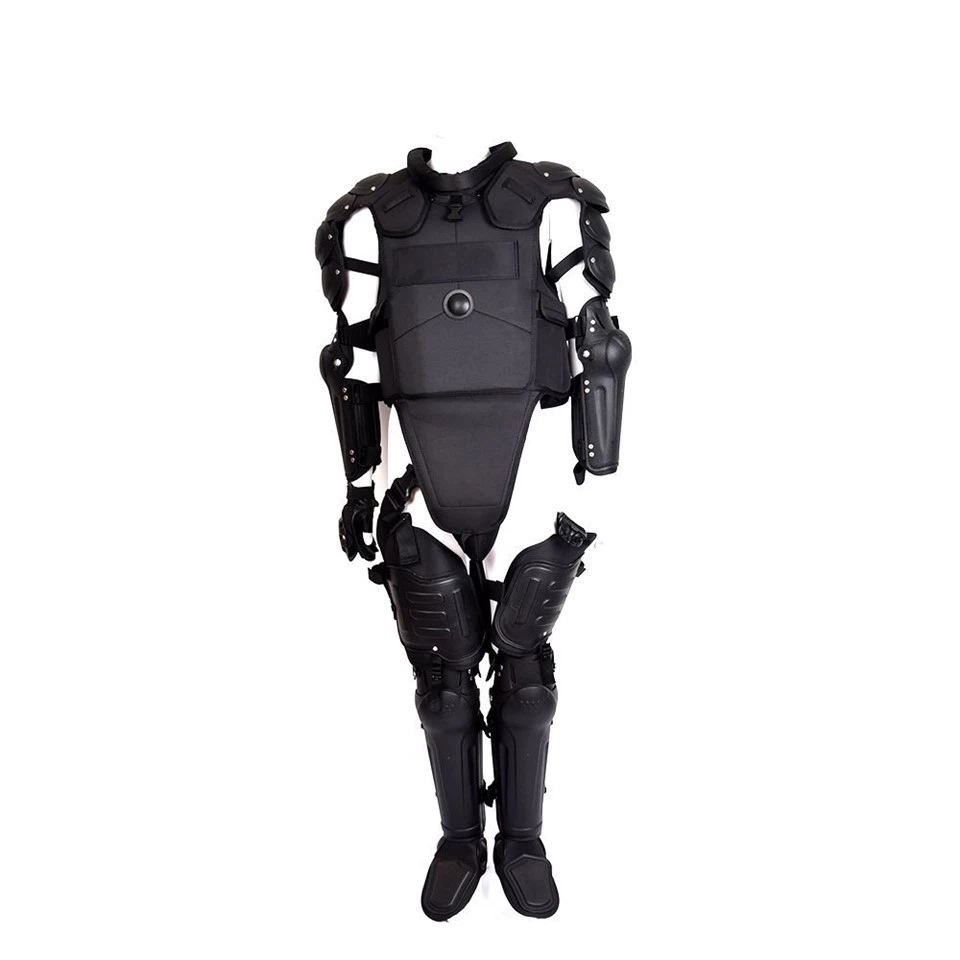
First off, let's talk about what riot gear actually is. It includes stuff like Police Riot Suit, Anti Riot Armor, Riot Suit, and Police Anti Riot Equipment. These are all designed to protect law enforcement officers during riots or other high - risk situations. They're made from a variety of materials, and that's where the recyclability question gets tricky.
The Materials Used in Riot Gear
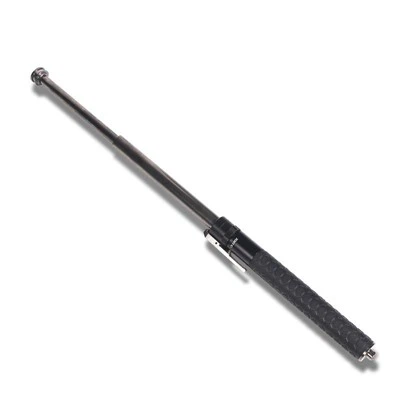
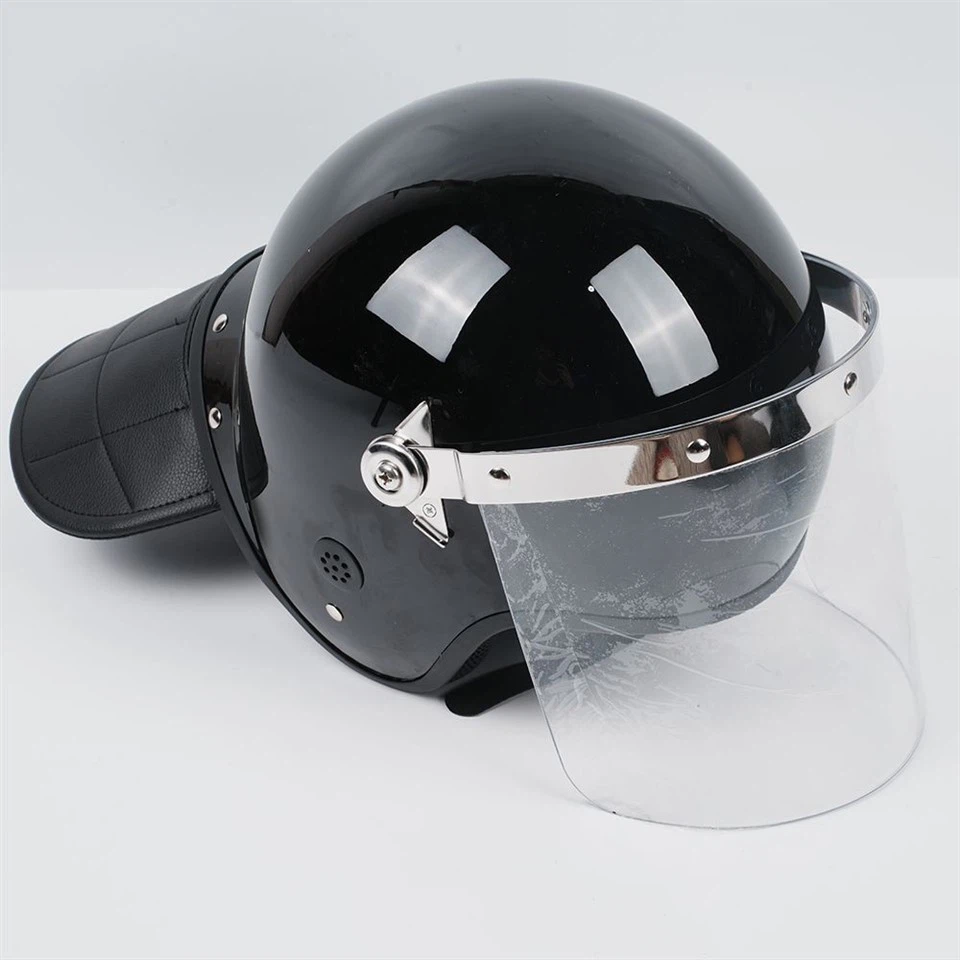
Riot gear is often made from a combination of plastics, metals, and fabrics. For example, the hard shells of riot helmets and shields are usually made from plastic polymers. These plastics are chosen for their strength and durability, which can withstand impacts and protect the user. Metals like steel or aluminum are used in parts like batons and some of the structural components of the armor. Fabrics, on the other hand, are used for the inner linings of the suits and for some flexible parts.
Let's start with the plastics. There are different types of plastics used in riot gear, and not all of them are easily recyclable. Some of the high - performance plastics, like those used in bullet - resistant shields, are engineered to be extremely tough. While there are recycling processes for many common plastics, these specialized ones can be a real headache. They often have additives or are a blend of different polymers, which makes it difficult to break them down and reuse.
Metals, on the other hand, are generally more recyclable. Steel and aluminum can be melted down and reformed into new products. However, the issue here is the cost and energy required for the recycling process. Recycling metal is energy - intensive, and if the metal parts of the riot gear are small or have complex designs, the cost - benefit analysis might not stack up in favor of recycling.
As for the fabrics, it depends on what they're made of. Natural fabrics like cotton are biodegradable and can be recycled in some cases. But many of the fabrics used in riot gear are synthetic, such as nylon or polyester. These synthetic fabrics can be recycled, but again, it requires specialized processes. Also, if the fabric has been treated with chemicals for fire - resistance or other properties, it can complicate the recycling process.
The Current State of Riot Gear Recycling
Right now, the recycling of riot gear isn't very widespread. There are a few reasons for this. First, there isn't a large - scale market for recycled riot gear materials. Most organizations that make riot gear prefer to use new materials because they can guarantee the quality and performance. Second, the regulatory environment for recycling certain types of materials used in riot gear can be complex. For example, if a piece of gear has been exposed to hazardous substances during use, there are strict rules about how it needs to be handled.
Another factor is the lack of awareness. Many law enforcement agencies and suppliers don't really think about recycling riot gear. Once a piece of gear is no longer usable, it often ends up in a landfill. This is a waste of resources, especially considering the high cost of manufacturing riot gear in the first place.
Potential Solutions for Riot Gear Recycling
So, what can we do to make riot gear more recyclable? One solution is to design the gear with recycling in mind from the start. Manufacturers could use more easily recyclable materials and simplify the design to make it easier to disassemble the different components. For example, instead of using a lot of adhesives to hold parts together, they could use mechanical fasteners that can be easily removed.
We also need to create a market for recycled riot gear materials. This could involve working with other industries that could use these materials. For example, the recycled plastics could be used in the automotive industry for non - critical parts, or the recycled metals could be used in construction.
Educating law enforcement agencies and suppliers is also crucial. We need to make them aware of the environmental impact of not recycling riot gear and show them that there are viable options. This could involve providing training on how to properly handle and recycle riot gear, as well as offering incentives for doing so.
Our Role as a Riot Gear Supplier
As a supplier of riot gear, we have a responsibility to play our part in promoting recycling. We're looking into partnerships with recycling facilities to ensure that any worn - out or damaged gear we receive back from our customers can be properly recycled. We're also working with manufacturers to encourage them to use more sustainable materials in their products.
We understand that our customers are concerned about the performance and quality of the riot gear they purchase. That's why we're committed to providing high - quality products while also being environmentally responsible. We believe that it's possible to have the best of both worlds.
Why You Should Choose Us
If you're in the market for riot gear, there are several reasons why you should choose us. First of all, we offer a wide range of Anti Riot Gear, Police Riot Suit, Anti Riot Armor, Riot Suit, and Police Anti Riot Equipment. Our products are tested to meet the highest standards of safety and performance.
We also provide excellent customer service. Our team is always available to answer your questions and help you choose the right gear for your needs. Whether you're a small local police department or a large national agency, we can work with you to find the best solutions.
And as I mentioned earlier, we're committed to sustainability. By choosing us as your riot gear supplier, you can be part of the solution to the environmental problem of riot gear waste.
Time to Connect
If you're interested in learning more about our products or have any questions about riot gear recycling, we'd love to hear from you. Reach out to us to start a conversation about your needs and how we can assist you. Let's work together to ensure the safety of law enforcement officers while also protecting our planet.
References
- Environmental Protection Agency (EPA) reports on plastic and metal recycling.
- Industry research on the materials used in riot gear.