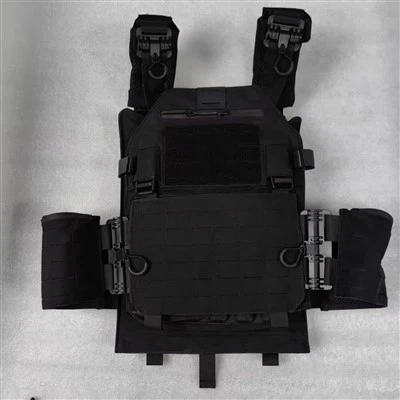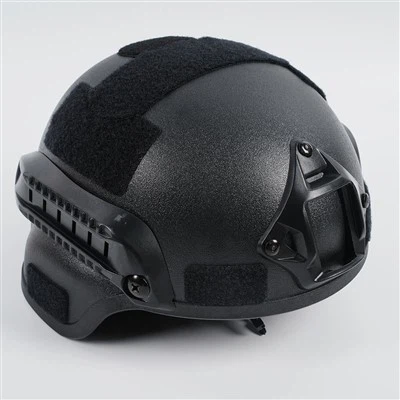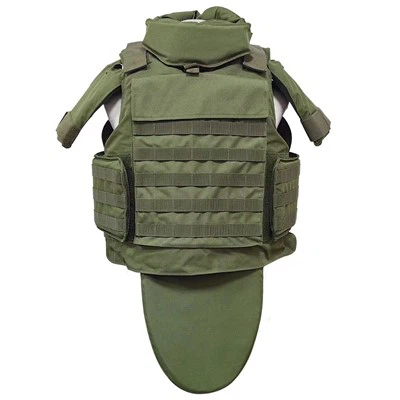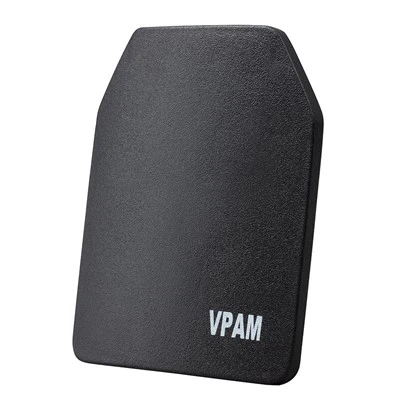
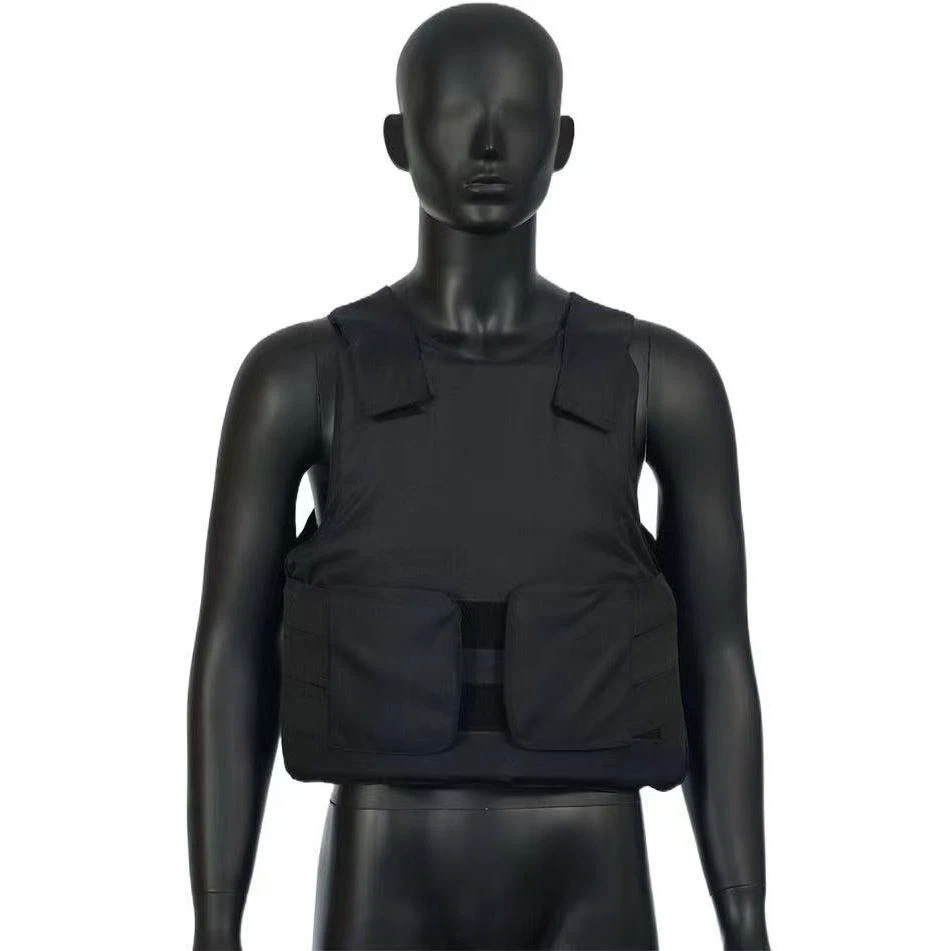
Hey there! I'm a supplier of Bulletproof Plate Carriers, and I know how frustrating it can be when your plate carrier gets torn. But don't worry, I'm here to walk you through the process of repairing it.
First off, let's talk about why your plate carrier might get torn. It could be from normal wear and tear, especially if you're using it in high - stress situations like military operations or law enforcement work. Maybe you caught it on a sharp object during a mission, or it just started to fray over time.
Assessing the Damage
The first step in repairing a torn bulletproof plate carrier is to assess the damage. Take a good look at the tear. Is it a small, clean cut? Or is it a large, ragged tear? If it's a small cut, you might be able to repair it yourself. But if it's a large tear, especially if it affects the integrity of the bulletproof panels, you might need to send it back to the manufacturer or a professional repair service.
Check if the tear is on the outer fabric or if it has reached the bulletproof panels inside. If it's just the outer fabric, you're in luck as it's usually easier to fix. But if the bulletproof panels are damaged, that's a whole different ballgame. You need to make sure that the repair doesn't compromise the protective capabilities of the plate carrier.
Tools and Materials You'll Need
For a basic repair of the outer fabric, you'll need a few tools and materials. You'll need a good quality sewing kit with strong thread that matches the color of your plate carrier. A pair of sharp scissors is also essential for trimming any loose threads. If the tear is large, you might need some patches. You can find patches made specifically for bulletproof vests at some military surplus stores or online.
Repairing a Small Tear
If it's a small tear on the outer fabric, here's what you can do. First, clean the area around the tear to make sure there's no dirt or debris. Then, use your scissors to trim any loose threads. Next, thread your needle and start sewing the tear together. Make small, tight stitches, and try to keep the stitches as straight as possible. You can use a back - and - forth motion to make the repair more secure.
If you want to add an extra layer of protection, you can apply a small amount of fabric glue along the seam after you've sewn it. This will help to prevent the tear from opening up again.
Repairing a Large Tear
For a large tear, you'll probably need to use a patch. First, cut a patch that's slightly larger than the tear. Make sure the patch is made of a similar material to your plate carrier. Place the patch over the tear and use a sewing machine or sew it by hand. Start by sewing around the edges of the patch, and then make some cross - stitches in the middle to secure it even more.
If the tear has reached the bulletproof panels, things get a bit more complicated. In this case, I strongly recommend sending it to a professional. They have the expertise and equipment to properly repair the bulletproof panels without compromising their protective properties.
After the Repair
Once you've completed the repair, give your plate carrier a good once - over. Check that the repair is secure and that there are no loose threads. You might also want to test the fit of the plate carrier to make sure it still feels comfortable and doesn't restrict your movement.
Where to Find Replacement Parts
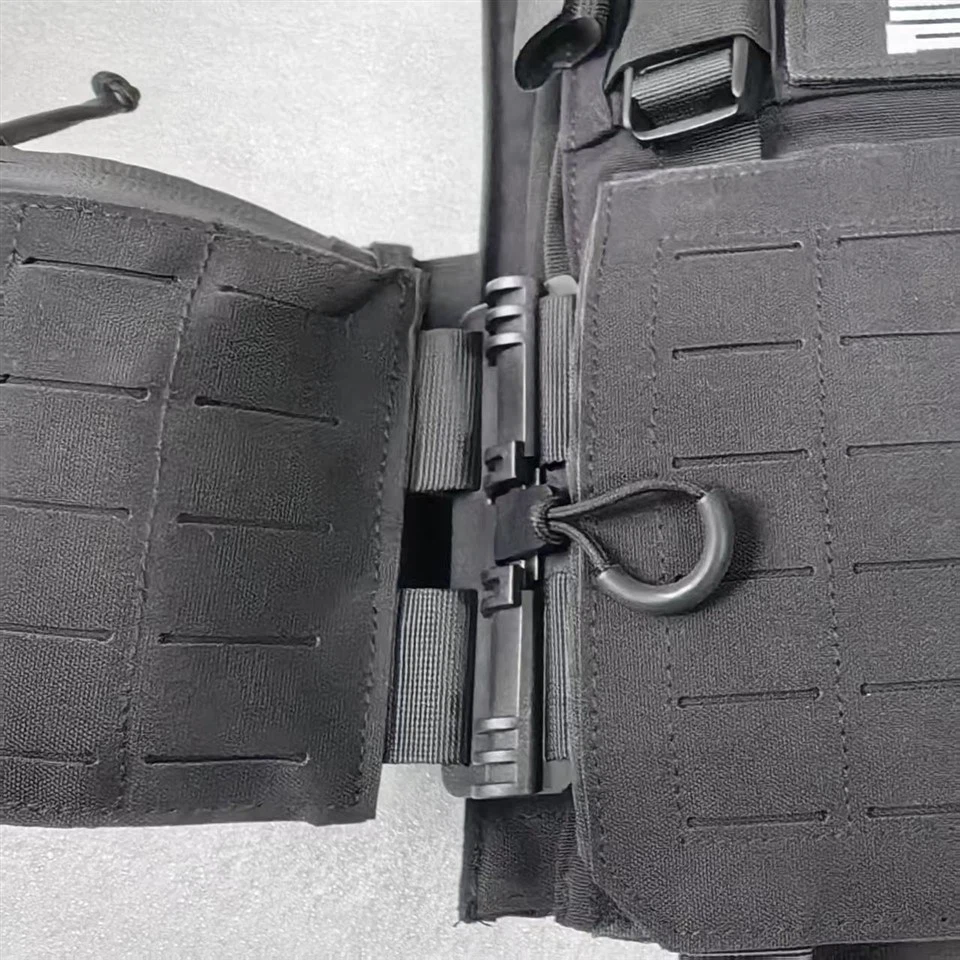
If you need to replace any parts of your plate carrier, like straps or buckles, there are a few places you can look. You can check out military surplus stores, which often carry a wide range of parts for bulletproof vests. You can also find replacement parts online. For example, if you're looking for a new type of bulletproof vest, you can check out these links: Camouflage Bulletproof Vest, Quick Release Tactical Vest, and Body Armor Vest.
Maintenance Tips to Prevent Tears
To prevent future tears, it's important to take good care of your plate carrier. Avoid exposing it to sharp objects as much as possible. When you're not using it, store it in a cool, dry place. You can also regularly inspect your plate carrier for any signs of wear and tear, and address them before they turn into bigger problems.
Why Choose Our Bulletproof Plate Carriers
As a supplier of Bulletproof Plate Carriers, I can tell you that our products are made with high - quality materials and the latest technology. We offer a wide range of plate carriers to suit different needs, whether you're in the military, law enforcement, or just someone who wants extra protection.
Our plate carriers are designed to be durable and comfortable. We use strong fabrics and reliable fasteners to ensure that your plate carrier can withstand the rigors of daily use. And if you ever do encounter a tear, we're here to support you with advice on repairs.
If you're interested in purchasing a bulletproof plate carrier or have any questions about our products, don't hesitate to reach out. We're always happy to help you find the right product for your needs. Whether you're looking for a Camouflage Bulletproof Vest, a Quick Release Tactical Vest, or a Body Armor Vest, we've got you covered.
Conclusion
Repairing a torn bulletproof plate carrier can be a bit of a challenge, but with the right tools and knowledge, you can do it. Just remember to assess the damage carefully, use the right materials, and follow the proper repair steps. And if you ever need help, don't hesitate to reach out to us. We're here to make sure you have a safe and functional bulletproof plate carrier.
If you're in the market for a new bulletproof plate carrier or need to replace parts, check out our website for more information. We're ready to assist you with your purchasing and repair needs.
References
- Military Equipment Maintenance Manuals
- Bulletproof Vest Manufacturer Guidelines