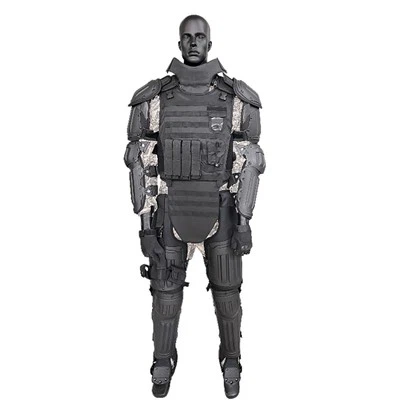
As a supplier of bulletproof uniforms, I'm often asked about how our products perform in various environmental conditions, especially extreme temperatures. Extreme heat and cold can significantly affect not only the wearer's comfort but also the functionality of bulletproof gear. In this blog, I'll delve into the science behind how bulletproof uniforms hold up in extreme hot and cold scenarios.
Performance in Extreme Heat
Material Behavior
Most bulletproof uniforms are made from high - strength fibers such as aramid, which includes well - known materials like Kevlar. These materials have excellent heat resistance up to a certain point. Aramid fibers can withstand temperatures up to around 400 - 500°F (204 - 260°C) before they start to degrade.
However, in extreme outdoor heat, say above 100°F (38°C), the human body starts to struggle with heat dissipation. The bulletproof vest, being an additional layer, can exacerbate this problem. The vest acts as an insulator, trapping heat close to the body. This can lead to a rapid increase in the wearer's core body temperature, potentially causing heat exhaustion or heatstroke.
Impact on Ballistic Performance
In terms of ballistic protection, high temperatures generally do not cause an immediate reduction in the effectiveness of aramid - based vests. The fibers maintain their strength as long as the temperature remains within their tolerance range. But over time, continuous exposure to high heat can cause the resin or matrix that holds the fibers together to degrade. This degradation can lead to a loss of integrity in the vest, reducing its ability to stop projectiles.
Comfort and Mobility
The heat also affects the wearer's comfort and mobility. As the body sweats, the moisture gets trapped between the body and the vest. This not only makes the wearer feel uncomfortable but can also cause chafing and skin irritation. Additionally, the heat can make the materials of the vest become more flexible in an unnatural way, which might affect the proper fit of the vest and, in turn, impede the wearer's movement.
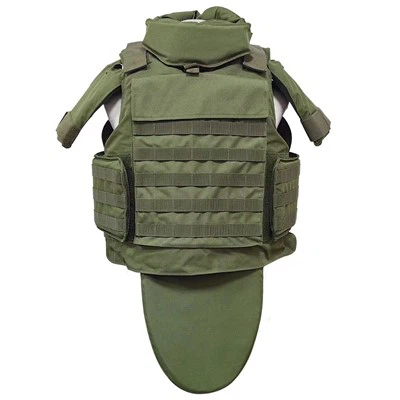
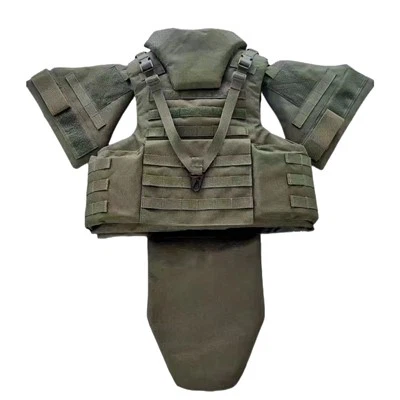
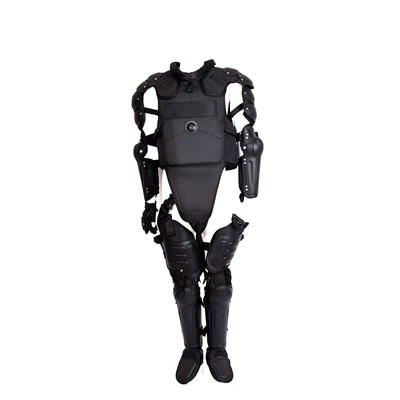
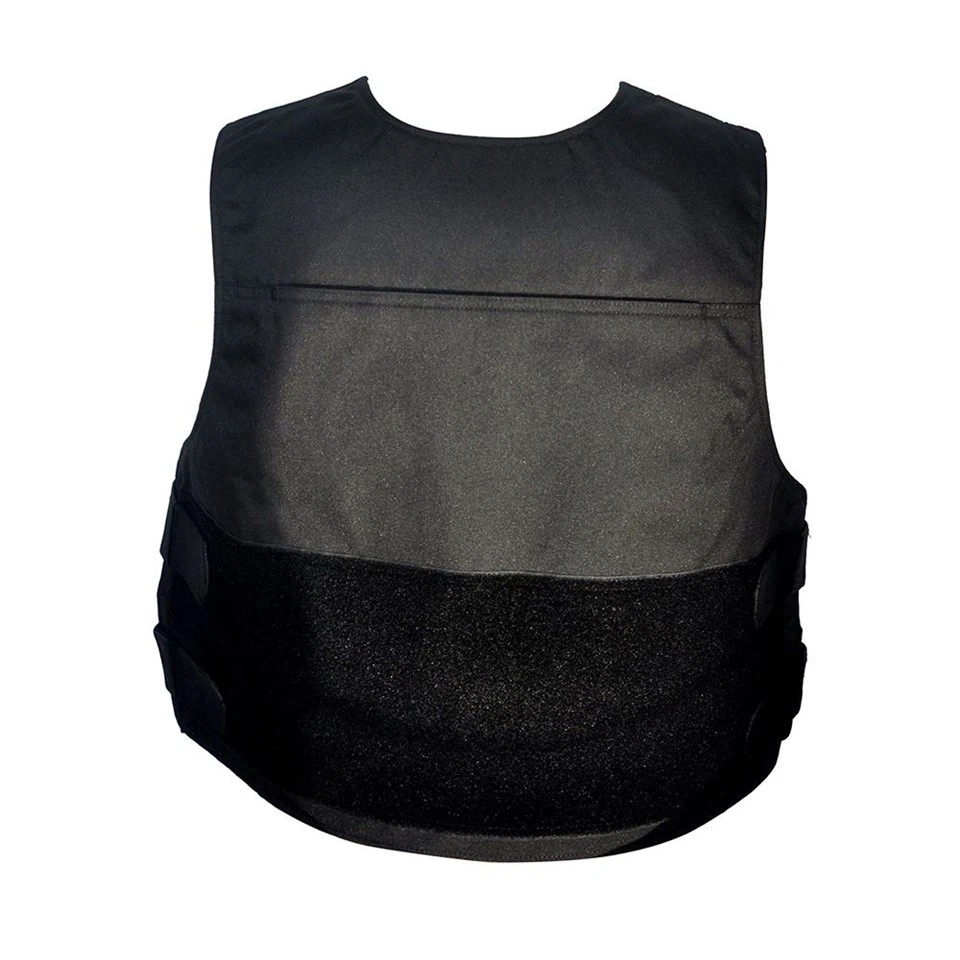
To mitigate these issues, we offer vests with advanced ventilation systems. Our Camouflage Bulletproof Vest and Full Body Armor Vest are designed with breathable fabrics and strategic air channels to allow better air circulation, helping the wearer stay cool.
Performance in Extreme Cold
Material Behavior
Cold temperatures can have a different set of effects on bulletproof uniforms. Aramid fibers become more brittle in extremely cold conditions. When the temperature drops below freezing, say to - 20°F (- 29°C) or lower, the molecular structure of the fibers becomes less flexible. This brittleness can increase the risk of the fibers cracking or breaking upon impact.
Impact on Ballistic Performance
The reduced flexibility of the fibers in cold weather can affect the vest's ability to absorb the energy of a bullet. In normal conditions, the fibers stretch and deform to dissipate the energy. But in the cold, they are more likely to break instead of stretching, which means the vest may not be as effective at stopping high - velocity projectiles.
Comfort and Mobility
In cold weather, the stiffness of the vest can also limit the wearer's mobility. It becomes more difficult to move freely, which is a significant disadvantage in high - stress situations where quick movements are required. Moreover, the cold can cause the wearer's muscles to tighten, and the added stiffness of the vest only exacerbates this problem.
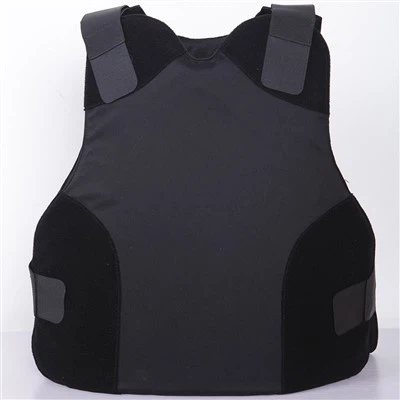
Our Body Armor Vest and Aramid Bulletproof Vest are engineered to have some degree of cold - resistance. We use special coatings and treatments on the fibers to help maintain their flexibility in cold temperatures, reducing the impact on both ballistic performance and mobility.
Testing and Quality Assurance
At our company, we conduct extensive testing of our bulletproof uniforms in different temperature environments. We use high - tech climate chambers to simulate extreme hot and cold conditions. This allows us to accurately assess how our vests perform in terms of ballistic protection, comfort, and durability.
We also collaborate with independent research institutions to validate our findings. These partnerships ensure that our products meet or exceed industry standards for performance in extreme temperatures. This rigorous testing process gives our customers the confidence that they are getting a reliable product, whether they are operating in the scorching desert heat or the freezing Arctic cold.
Our Solutions for Extreme Conditions
We understand that different users may need customized solutions for specific temperature conditions. For example, law enforcement officers working in a hot climate may prefer a lighter - weight vest with enhanced ventilation. On the other hand, military personnel deployed in cold regions may need a vest that offers better insulation without sacrificing ballistic protection.
Our Aramid Ballistic Vest can be customized with different levels of insulation and ventilation options, depending on the user's requirements. We also provide training to our customers on how to properly care for and maintain their vests in extreme temperatures.
Conclusion
In conclusion, extreme temperatures can pose significant challenges to the performance of bulletproof uniforms. While high heat can lead to heat - related issues for the wearer and long - term degradation of the vest materials, extreme cold can make the fibers brittle and reduce the vest's effectiveness. However, through advanced material science, innovative design, and rigorous testing, we are able to offer bulletproof uniforms that perform well in a wide range of temperature conditions.
If you're in the market for high - quality bulletproof uniforms that can withstand extreme temperatures, we'd love to talk to you. We have a team of experts ready to discuss your specific needs and provide you with the best solutions. Whether you're a security professional, law enforcement officer, or military personnel, our products are designed to keep you safe in any environment.
References
- "Ballistic Materials and Penetration Mechanics" by Vincent C. Li.
- Journal of Applied Polymer Science, various issues on the performance of aramid fibers in different environments.
- Research reports from independent testing laboratories on the effects of temperature on bulletproof vests.