Hey there! As a supplier of ballistic jackets, I get asked a lot about how these nifty pieces of gear protect against fragmentation. It's a super important topic, especially for those who put themselves in harm's way, like military personnel, law enforcement officers, and even security guards. So, let's dive right in and break it down.
First off, what exactly is fragmentation? Well, when a bomb, grenade, or even a bullet hits something, it can break into smaller pieces. These fragments can fly off in all directions at high speeds, and they can cause some serious damage. That's where ballistic jackets come in.
The key to a ballistic jacket's protection lies in its materials. Most modern ballistic jackets are made from high-strength fibers like Kevlar or UHMWPE (Ultra-High Molecular Weight Polyethylene). These fibers are incredibly strong and lightweight, which makes them perfect for stopping fragments.
Let's take a closer look at how these materials work. When a fragment hits the ballistic jacket, the fibers in the jacket start to stretch and deform. This stretching and deforming process absorbs the energy of the fragment, slowing it down and eventually stopping it. Think of it like a net catching a ball. The net stretches and absorbs the energy of the ball, preventing it from going any further.
But it's not just the fibers that do the job. The way the fibers are woven together also plays a crucial role. In a ballistic jacket, the fibers are woven in a tight, interlocking pattern. This pattern helps to distribute the energy of the fragment across a larger area, reducing the impact on any one point. It's like spreading out the force of a punch over a bigger surface.
Another important factor in a ballistic jacket's protection is its thickness. Generally speaking, the thicker the jacket, the more protection it provides. However, there's a trade-off between thickness and mobility. A thicker jacket may offer more protection, but it can also be heavier and more restrictive, making it harder to move around. That's why it's important to find the right balance between protection and mobility.
Now, let's talk about the different types of ballistic jackets available. There are several different levels of protection, each designed to stop different types of fragments. The most common levels of protection are NIJ IIA, NIJ IIIA, and NIJ IV.
NIJ IIA jackets are designed to stop most handgun rounds and some fragments. They're a good choice for law enforcement officers and security guards who may face handgun threats. You can check out our Uhmwpe Bulletproof Vest for an example of a NIJ IIA jacket.
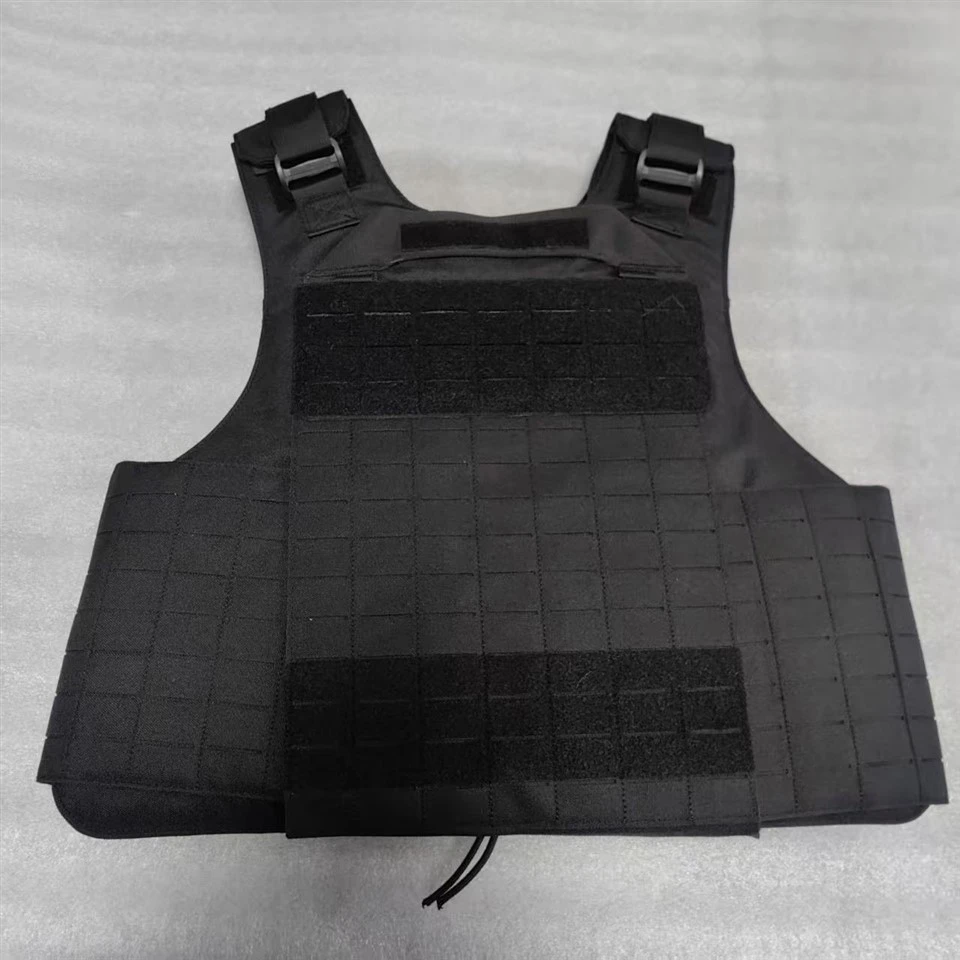
NIJ IIIA jackets are more advanced and can stop most handgun rounds and some rifle rounds. They're a popular choice for military personnel and law enforcement officers who may face more serious threats. Our Nij Iiia Ballistic Vest and Nij Iiia Bulletproof Vest are great examples of NIJ IIIA jackets.
NIJ IV jackets are the most advanced and can stop high-powered rifle rounds and some armor-piercing rounds. They're typically used by military personnel in high-risk situations.
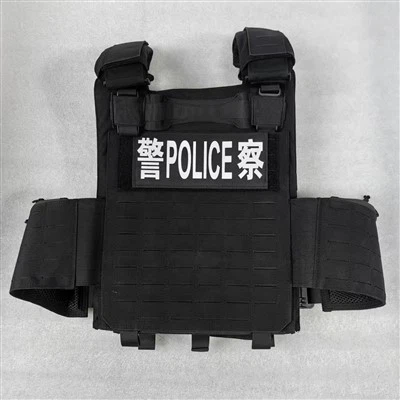
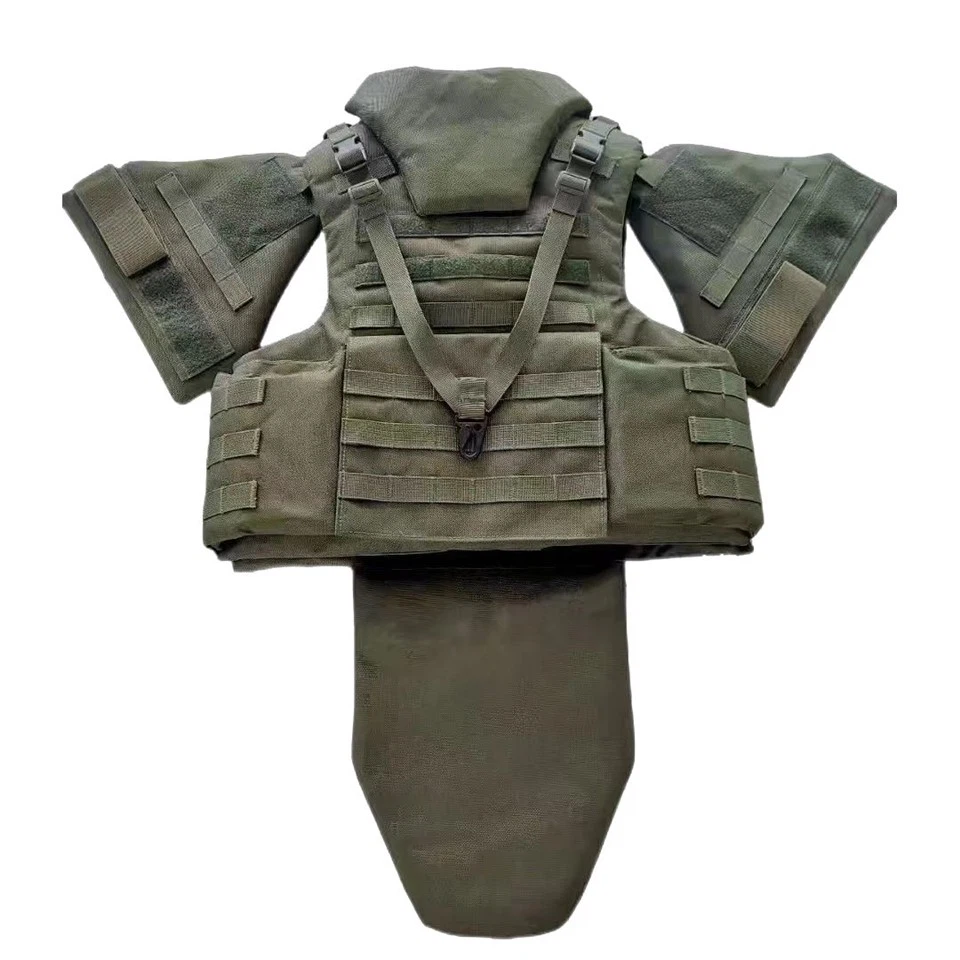
In addition to these standard levels of protection, there are also specialized ballistic jackets available. For example, some jackets are designed to be worn under clothing, while others are designed for specific activities like tactical operations. Our Tactical Vest is a great example of a jacket designed for tactical operations.
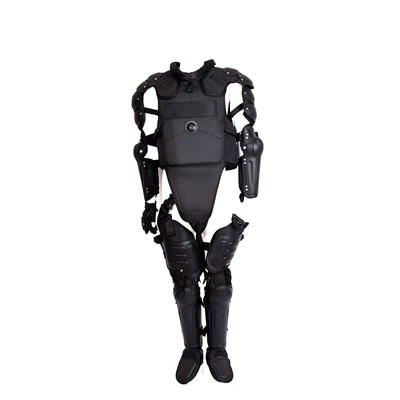
Another type of specialized jacket is the bulletproof uniform. These uniforms are designed to provide full-body protection and are often used by military personnel. You can check out our Bulletproof Uniform for more information.
So, there you have it. That's how ballistic jackets protect against fragmentation. It's all about the materials, the way they're woven, and the level of protection. If you're in the market for a ballistic jacket, I hope this information has been helpful.
If you're interested in purchasing a ballistic jacket for your organization or personal use, we'd love to have a chat. We can help you find the right jacket for your needs and budget. Just reach out to us, and we'll get the ball rolling.
References
- Ballistics: Theory and Design of Guns and Ammunition by Brian J. Easton
- The Science of Ballistics by Robert R. McCoy