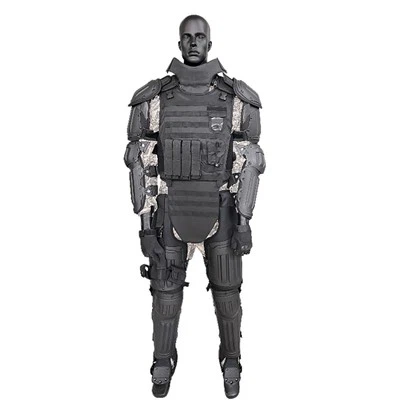
As a supplier of anti-riot uniforms, I often get asked whether these uniforms restrict movement. It's a valid concern, especially when you consider the nature of the situations where these uniforms are used. Riot police need to be able to move quickly, react to changing circumstances, and perform a variety of physical tasks, so any restriction in movement could have serious consequences. In this blog post, I'll share my insights on this topic and explain how modern anti-riot uniforms are designed to balance protection with mobility.
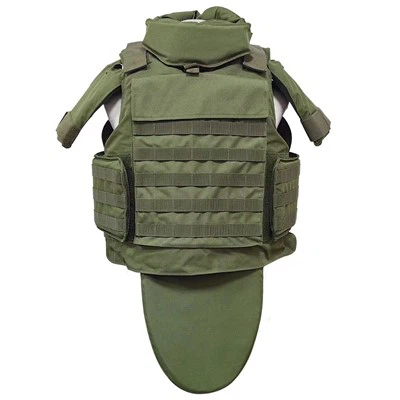
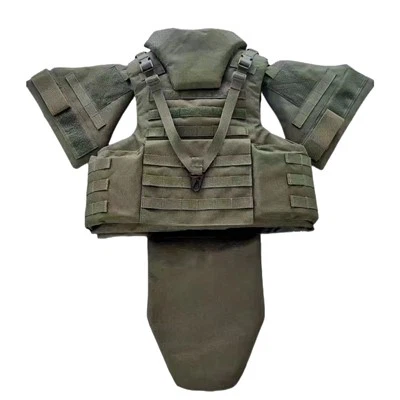
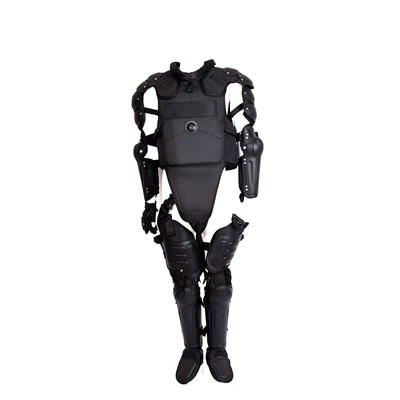
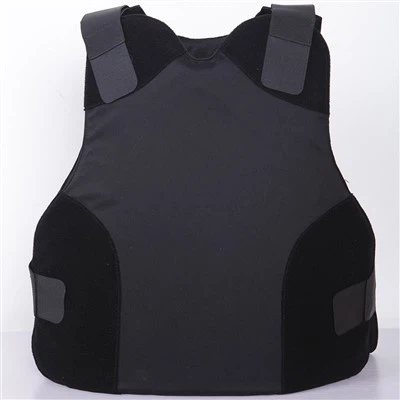
First off, let's understand what anti-riot uniforms are made of and what they're supposed to do. Anti-riot uniforms, like Anti Riot Armor, Police Riot Suit, Anti Riot Gear, Riot Suit, and Police Anti Riot Equipment, are designed to protect the wearer from a range of threats, including physical attacks, projectiles, and chemical agents. They typically include components such as helmets, body armor, shin guards, and gloves, all made from materials that are tough and resistant to damage.
In the past, anti-riot uniforms were often bulky and heavy, which definitely restricted movement. They were made with thick, rigid materials that were great for protection but not so great for flexibility. Officers wearing these old-style uniforms had a hard time bending, running, and making quick movements. This was a real problem in riot situations, where speed and agility are crucial.
But things have changed a lot in recent years. Thanks to advancements in materials science and design, modern anti-riot uniforms are much more lightweight and flexible. Manufacturers are using new materials like high-strength polymers and composite fabrics that offer excellent protection without adding a lot of weight. These materials are also more flexible, allowing the wearer to move more freely.
For example, the body armor in modern anti-riot suits is designed to be modular. This means that it can be adjusted to fit the individual wearer's body shape and size, and it can also be customized depending on the specific needs of the situation. Some body armor panels are designed to be more flexible in certain areas, like the elbows and knees, to allow for a greater range of motion.
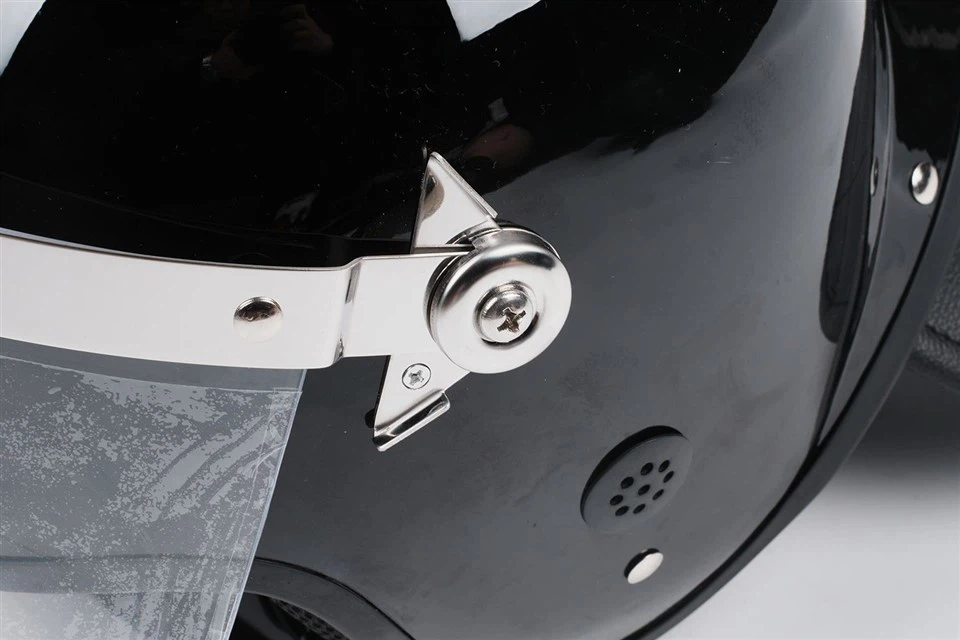
The helmets used in anti-riot gear have also seen significant improvements. They're now made with lightweight materials that provide good protection without being too heavy or cumbersome. Many helmets are also designed with a visor that can be easily moved up and down, allowing the officer to see clearly while still being protected.
Another important factor in the design of anti-riot uniforms is ventilation. When officers are wearing heavy gear in a hot and crowded environment, they can quickly become overheated, which can lead to fatigue and decreased performance. Modern anti-riot uniforms are designed with ventilation systems that allow air to circulate around the body, keeping the wearer cool and comfortable.
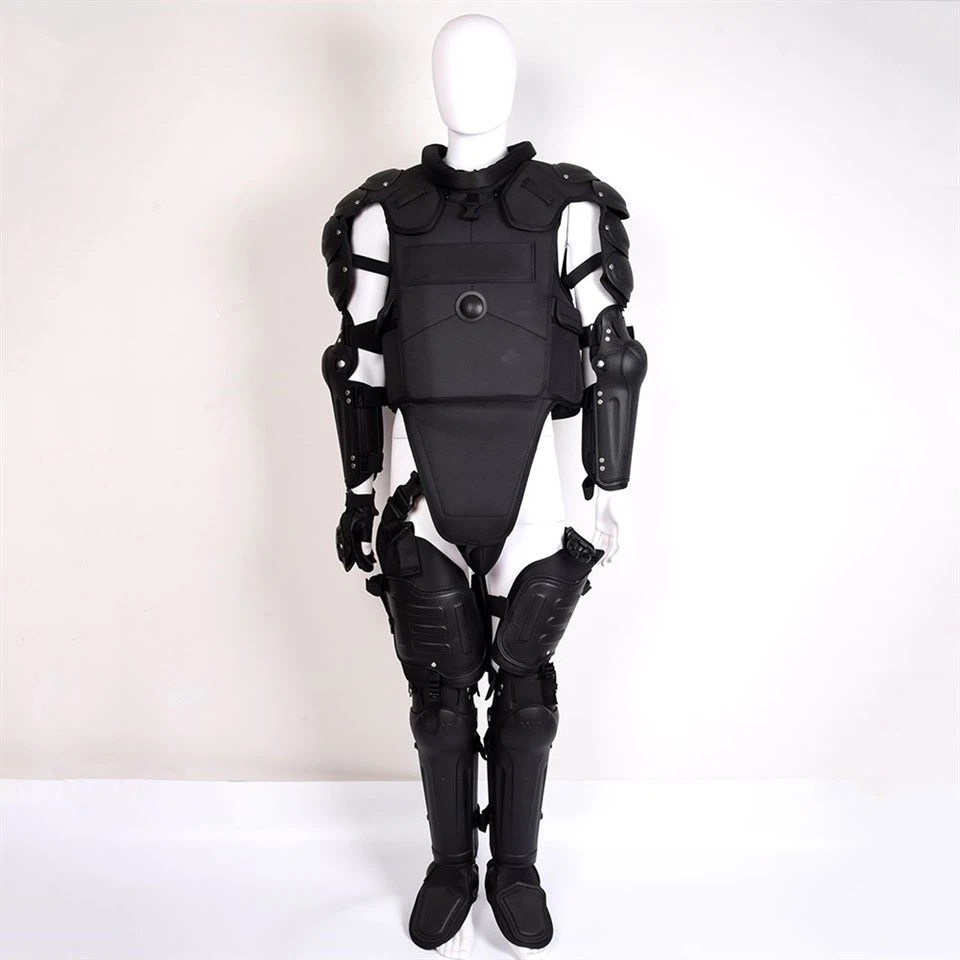
So, to answer the question, do anti-riot uniforms restrict movement? The answer is that they don't have to. While there will always be some limitations due to the need for protection, modern anti-riot uniforms are designed to minimize these restrictions as much as possible. They offer a good balance between protection and mobility, allowing officers to perform their duties effectively in even the most challenging situations.
Of course, the fit of the uniform is also crucial. A poorly fitting uniform can be just as restrictive as an old-style, bulky one. That's why it's important for officers to be properly measured and fitted for their anti-riot gear. At our company, we offer a range of sizes and styles to ensure that every officer can find a uniform that fits them well and allows them to move freely.
In addition to the design and fit of the uniform, training also plays a key role in how well officers can move while wearing anti-riot gear. Officers need to be trained to use the gear effectively and to move in a way that takes advantage of its features. This includes learning how to bend, run, and perform other physical tasks while wearing the uniform.
We also understand that different situations may require different levels of protection and mobility. That's why we offer a variety of anti-riot gear options, from basic suits to more advanced, high-tech equipment. Whether you're dealing with a small protest or a large-scale riot, we have the right gear to meet your needs.
If you're in the market for anti-riot uniforms or other anti-riot gear, I encourage you to get in touch with us. We have a team of experts who can help you choose the right products for your specific situation. We can also provide you with more information about the features and benefits of our products, and answer any questions you may have.
In conclusion, modern anti-riot uniforms are designed to provide excellent protection without significantly restricting movement. Thanks to advancements in materials and design, officers can now move more freely and perform their duties more effectively in riot situations. If you're looking for high-quality anti-riot gear that offers a good balance between protection and mobility, don't hesitate to contact us. We're here to help you keep your officers safe and equipped for any situation.
References
- Various industry reports on anti-riot gear design and development
- Manufacturer specifications for modern anti-riot uniforms and equipment