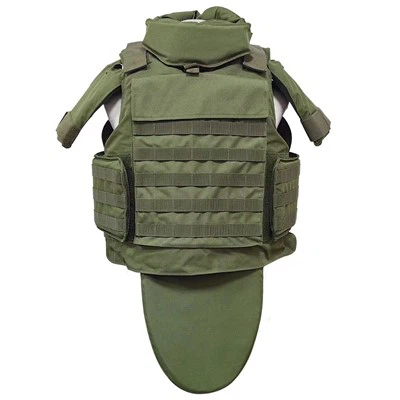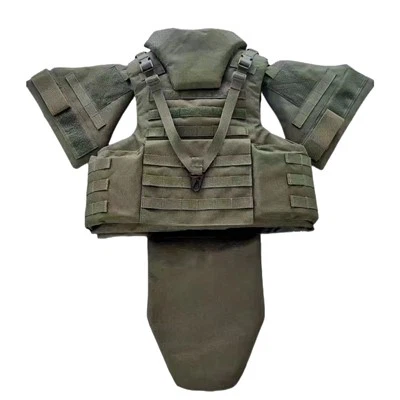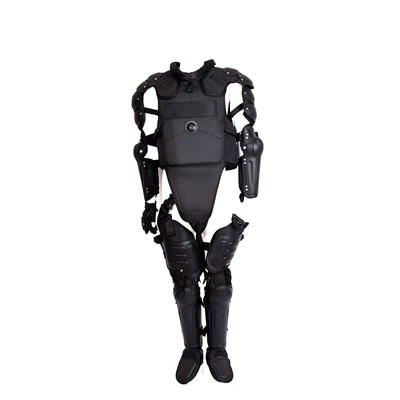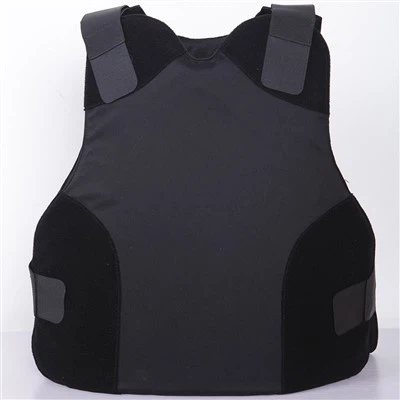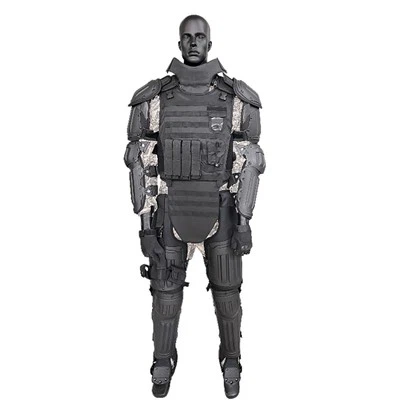
Hey there! As a supplier of Anti Riot Armor, I'm constantly asked about how well our gear holds up against different threats. One question that comes up a lot is whether anti riot armor can protect against chemical attacks. Let's dive into this topic and break it down.
Understanding Chemical Attacks
First off, we need to understand what a chemical attack in a riot situation might look like. Chemical agents used in these scenarios can range from tear gas and pepper spray to more dangerous substances like nerve agents or corrosive chemicals. Tear gas and pepper spray are the most common, and they're designed to cause irritation to the eyes, skin, and respiratory system, forcing people to disperse.
Nerve agents, on the other hand, are extremely dangerous and can cause paralysis, convulsions, and even death. Corrosive chemicals can burn the skin and damage clothing and equipment. Knowing the different types of chemical agents helps us understand what our anti riot armor needs to protect against.
How Anti Riot Armor Works
Our Anti Riot Armor is designed to protect law enforcement officers and security personnel from a variety of threats, including physical attacks from projectiles, blunt force, and edged weapons. It typically consists of a combination of hard and soft materials.
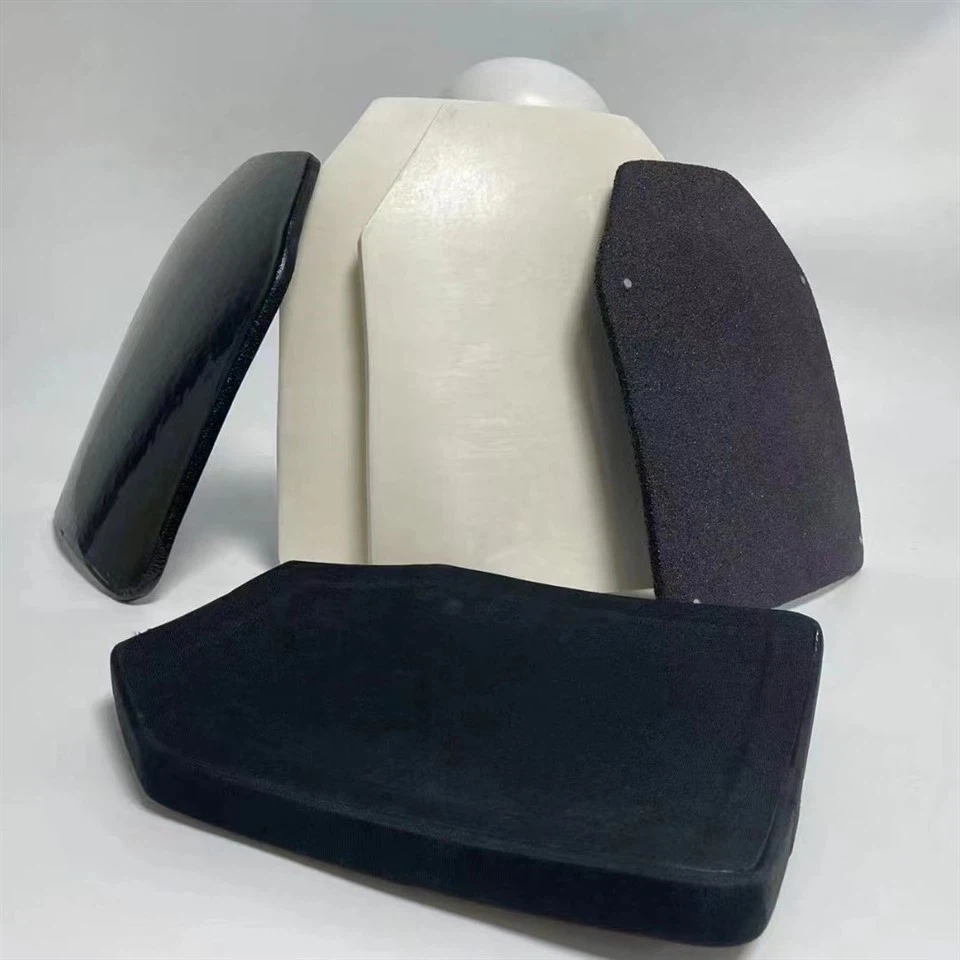
The hard components, like the Multi Curved Ballistic Plate, are made from materials such as high - strength plastics or metals. These plates are designed to stop bullets and other high - velocity projectiles. The soft components are usually made from materials like Kevlar, which can absorb the impact of blunt force and protect against cuts and stabs.
Protection Against Chemical Attacks
When it comes to chemical attacks, the effectiveness of anti riot armor depends on a few factors.
Material Resistance
The materials used in our anti riot armor play a crucial role. Some materials are more resistant to chemicals than others. For example, certain polymers can provide a good barrier against tear gas and pepper spray. Our armor is made from a combination of materials that have been tested for chemical resistance. The outer layer of the armor is designed to repel chemicals and prevent them from seeping through to the skin.
However, it's important to note that no material is completely impervious to all chemicals. Nerve agents and highly corrosive chemicals can still pose a threat. In these cases, additional protective measures may be required, such as wearing a chemical - resistant suit over the anti riot armor.
Sealing and Fit
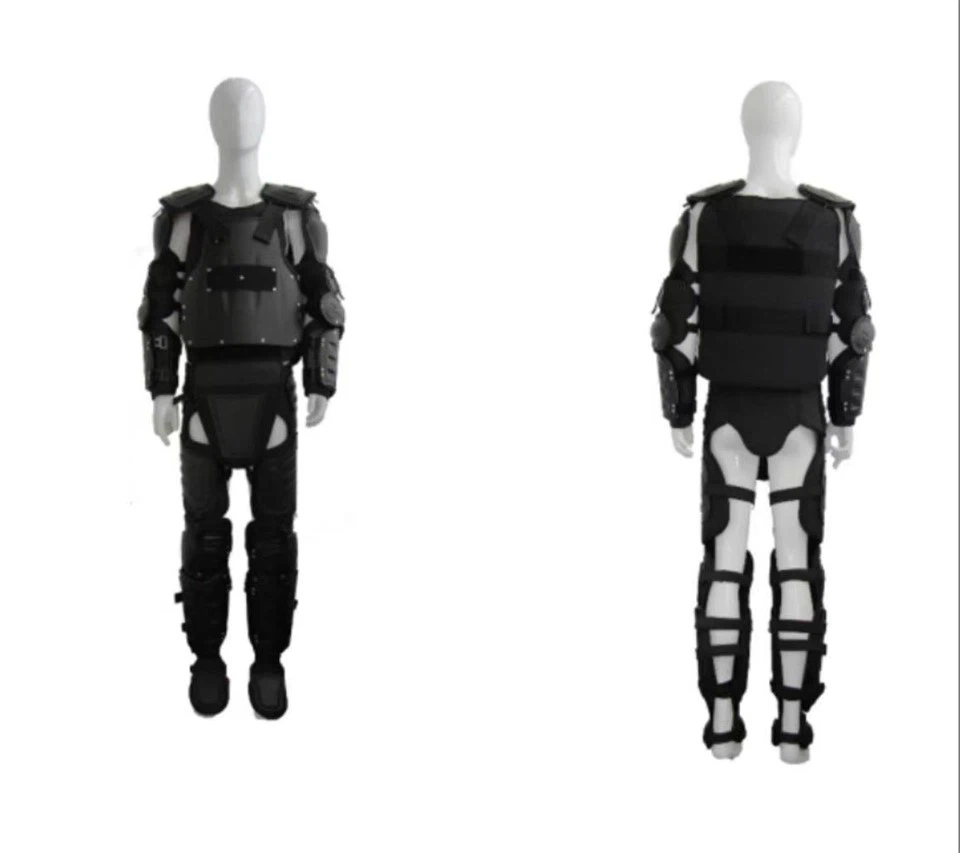
Another important factor is the sealing and fit of the armor. If the armor has gaps or loose seams, chemicals can easily get inside and come into contact with the skin. Our Anti Riot Armor is designed to fit snugly and has proper seals to minimize the risk of chemical penetration.
We also offer adjustable straps and closures to ensure a customized fit for each user. This helps to create a more effective barrier against chemical agents.
Ventilation
Ventilation is a double - edged sword when it comes to chemical protection. On one hand, good ventilation is necessary to keep the wearer cool and comfortable, especially during long - duration operations. On the other hand, ventilation openings can potentially allow chemicals to enter the armor.
Our armor is designed with ventilation systems that are carefully engineered to balance the need for airflow with chemical protection. We use filters and vents that are designed to block chemical particles while still allowing air to circulate.
Limitations of Anti Riot Armor Against Chemical Attacks
While our anti riot armor provides a certain level of protection against chemical attacks, it's not a magic shield. There are some limitations that we need to be aware of.
Duration of Exposure
The longer the exposure to chemical agents, the greater the risk of penetration. Even the most chemically resistant materials can break down over time when exposed to high concentrations of chemicals. If an officer is in a situation where they're constantly being exposed to chemical agents, the effectiveness of the armor may decrease.
Type of Chemical
As mentioned earlier, different chemicals have different properties. Some chemicals are more volatile and can easily penetrate through small gaps in the armor. Others are more corrosive and can damage the materials of the armor itself. Our armor is designed to provide protection against common chemical agents used in riot situations, but it may not be sufficient for more extreme chemical threats.
Complementary Equipment
To enhance the protection against chemical attacks, we recommend using complementary equipment along with our anti riot armor.
Gas Masks
A high - quality gas mask is essential for protecting the respiratory system from chemical agents. Gas masks are designed to filter out harmful particles and gases, providing clean air for the wearer. We offer a range of Police Anti Riot Equipment that includes gas masks that are compatible with our anti riot armor.
Chemical - Resistant Gloves and Boots
Gloves and boots are often overlooked, but they're important for protecting the hands and feet from chemical exposure. Our Police Riot Equipment includes chemical - resistant gloves and boots that can be worn in conjunction with the anti riot armor.
Real - World Applications
In real - world riot situations, our anti riot armor has proven to be effective in providing protection against chemical attacks. Law enforcement agencies around the world have used our gear to safeguard their officers during protests and riots.
However, it's important to remember that each situation is unique, and the level of protection required may vary. That's why we work closely with our customers to understand their specific needs and provide customized solutions.
Conclusion
So, does anti riot armor protect against chemical attacks? The answer is yes, to a certain extent. Our Anti Riot Armor is designed to provide a good level of protection against common chemical agents used in riot situations. However, it's not a substitute for proper training and the use of complementary equipment.
If you're in the market for Anti Riot Gear and have questions about chemical protection, don't hesitate to reach out. We're here to help you find the right solutions for your needs. Whether you're a law enforcement agency, a security company, or an individual looking for personal protection, we can provide you with high - quality anti riot armor and related equipment.
Let's have a chat and discuss how we can work together to keep you and your team safe.
References
- "Chemical and Biological Terrorism: Strategic Plan for Preparedness and Response." Centers for Disease Control and Prevention.
- "Riot Control Agents." World Health Organization.
- "Ballistic and Anti - Riot Equipment: A Technical Overview." International Association of Chiefs of Police.