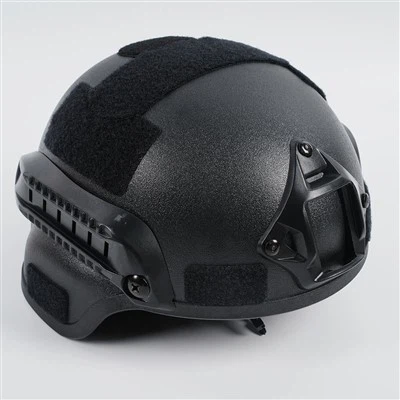
Hey there! As a supplier of riot suits, I often get asked a bunch of questions about our products. One question that pops up quite frequently is, "Do riot suits have ventilation systems?" Well, let's dive right into this topic and break it down.
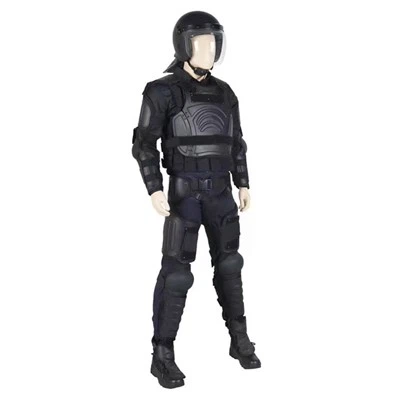
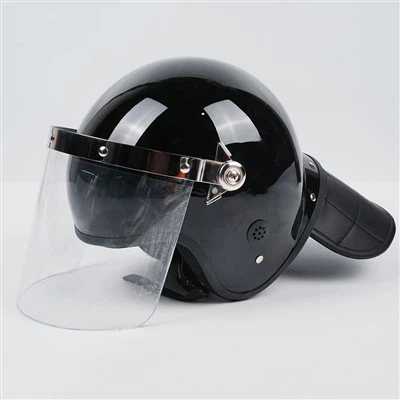
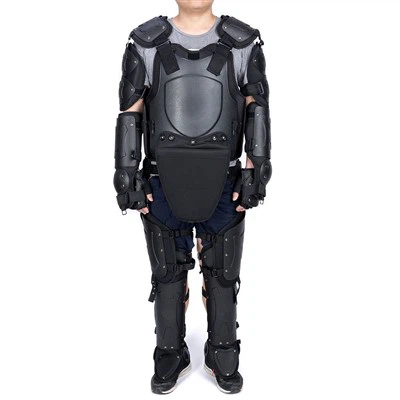
First off, let's understand the role of a riot suit. Riot suits are designed to protect law enforcement officers and security personnel during high - risk situations like riots or protests. They need to shield the wearer from various threats such as blunt force trauma, projectiles, and even some chemical agents. These are some of the essential pieces of Anti Riot Gear that can make a huge difference in dangerous scenarios.
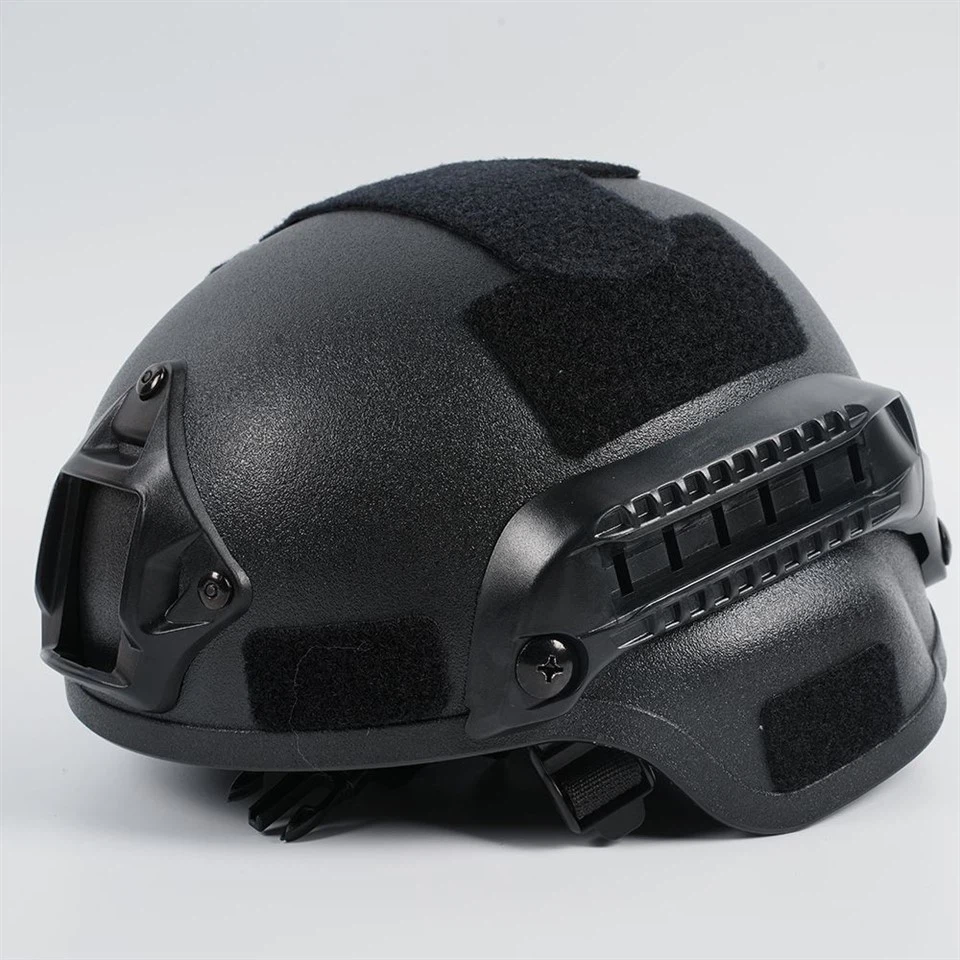
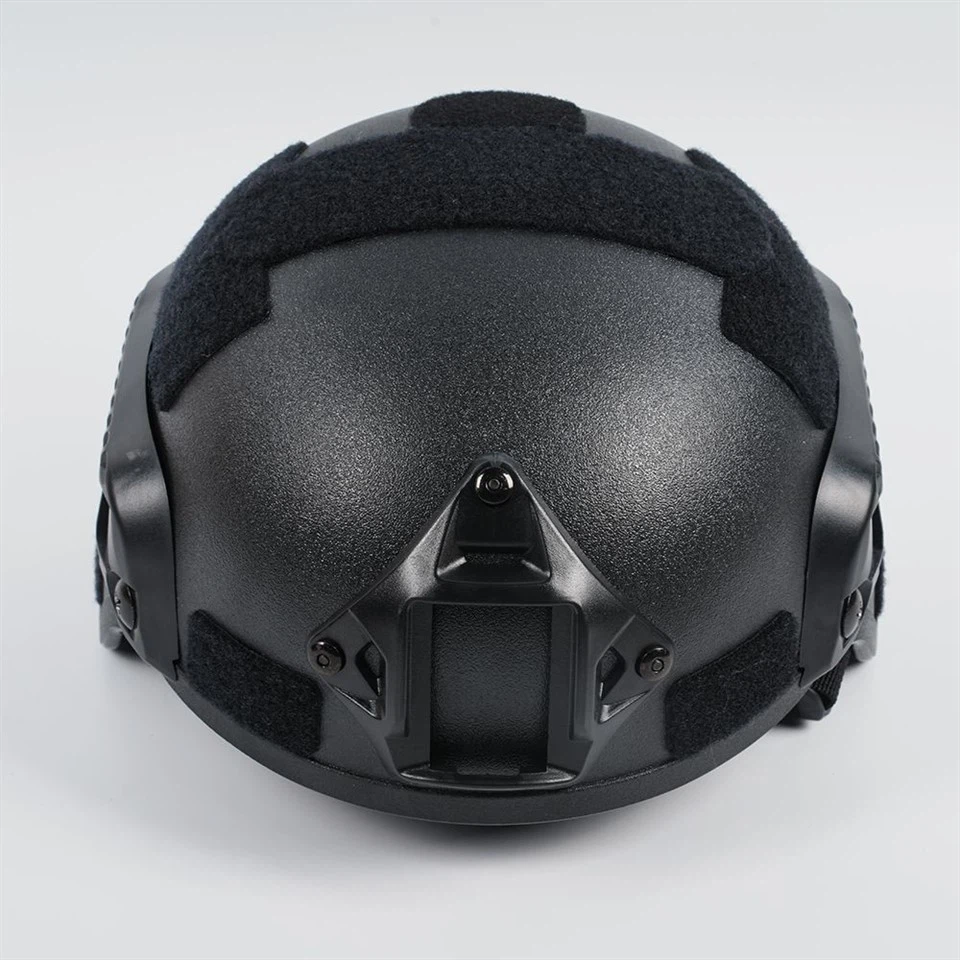
Now, when it comes to the environment where these suits are used, it's usually pretty intense. There's a lot of physical activity involved, with officers having to move around quickly, stand for long periods, and sometimes engage in physical confrontations. And let's not forget the heat. In many cases, riots happen in outdoor settings where the sun is beating down, or in enclosed spaces where the temperature can rise rapidly.
So, the need for ventilation in riot suits is pretty obvious. Without proper ventilation, the wearer can quickly overheat. Overheating can lead to a whole bunch of problems, like fatigue, dehydration, and even heatstroke. And when an officer is dealing with a riot situation, they need to be at their best physically and mentally. Fatigue can slow down their reaction times and affect their decision - making abilities.
But here's the thing. Designing a ventilation system for a riot suit is not as easy as it sounds. The suit has to maintain its protective qualities. You can't just cut holes in it willy - nilly because that would compromise the suit's ability to protect the wearer. For example, if you make large ventilation openings, projectiles could easily penetrate the suit.
Some of the riot suits we offer at our supply have come a long way in terms of ventilation. We've incorporated small, strategically placed vents in the fabric. These vents are designed in such a way that they allow air to flow in and out while still maintaining the structural integrity of the suit. The vents are usually covered with a mesh material that is strong enough to resist small projectiles but still porous enough to allow air circulation.
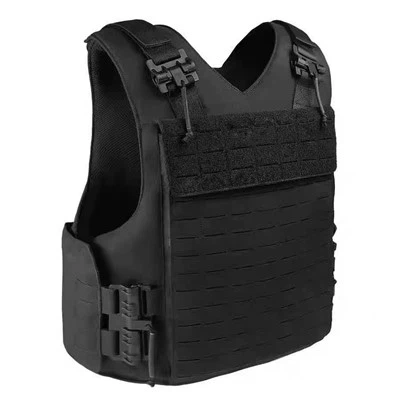
Another approach we've taken is using breathable fabrics. Our Anti Riot Vest is made from materials that are engineered to wick away moisture from the body. This helps to keep the wearer dry and cool. When sweat evaporates from the fabric, it takes heat away from the body, providing a natural cooling effect.
We also offer Riot Control Uniform that has a modular design. This means that different parts of the uniform can be adjusted or removed depending on the situation. For example, if the temperature is extremely high, officers can remove some of the less essential protective layers, which in turn allows for better air circulation.
But it's not just about the physical design of the suit. We also consider the overall ergonomics. A well - fitting suit is crucial for ventilation. If the suit is too tight, it restricts air movement and can cause the wearer to feel even hotter. On the other hand, a suit that is too loose may flap around and cause discomfort, and it may not provide the necessary protection.
Now, let's talk about some of the challenges we face in improving ventilation systems. One of the biggest challenges is cost. Developing and implementing advanced ventilation technologies can be expensive. We need to balance the cost of production with the need to provide a high - quality product. We want to make sure that our Police Riot Equipment is affordable for law enforcement agencies and security companies without compromising on quality.
Another challenge is durability. The ventilation system has to withstand the rigors of a riot situation. It can't break or get damaged easily. For example, the mesh covering the vents should not tear when the officer is in a scuffle or when it comes in contact with rough surfaces.
We're constantly researching and developing new ways to improve the ventilation in our riot suits. We're looking into technologies like micro - fans that can be integrated into the suit without adding too much weight or bulk. These fans could help to actively circulate air inside the suit, providing a more effective cooling solution.
In conclusion, yes, many of our riot suits do have ventilation systems. These systems are carefully designed to balance the need for protection and the need to keep the wearer cool. Our Anti Riot Uniform is a product of our continuous efforts to provide the best possible solutions for law enforcement and security personnel.
If you're in the market for high - quality riot suits or other anti - riot gear, we'd love to hear from you. Whether you're a law enforcement agency, a security company, or an individual looking for reliable protective equipment, we can help you find the right products for your needs. Reach out to us to start a conversation about your requirements and how we can assist in your procurement process.
References
- Industry reports on riot gear technology
- Expert opinions from law enforcement and security professionals
- In - house research and development data