Can anti riot gear be used in high - altitude areas?
As a well - established supplier of Anti Riot Gear, I often encounter various questions from clients regarding the usage and adaptability of our products. One question that has come up more frequently lately is whether anti - riot gear can be effectively used in high - altitude areas. In this blog, I'll delve into the scientific aspects of this question, weighing the advantages and limitations to provide a comprehensive answer.
Understanding High - Altitude Environments
High - altitude areas are characterized by several unique environmental factors. These include thinner air, lower oxygen levels, significant temperature variations within a single day, and often, higher levels of solar radiation. The atmospheric pressure is also much lower compared to sea - level regions. For instance, at an altitude of 3,000 meters, the air contains about 70% of the oxygen available at sea level. These conditions pose distinct challenges not only to the human body but also to equipment.
Physical Attributes of Anti - Riot Gear
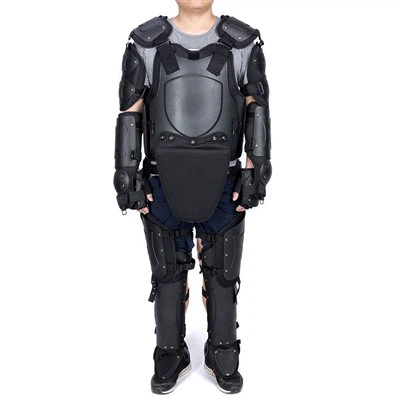
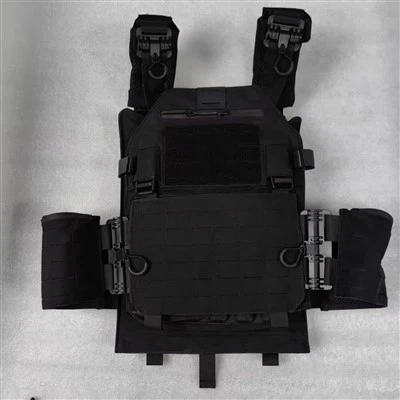
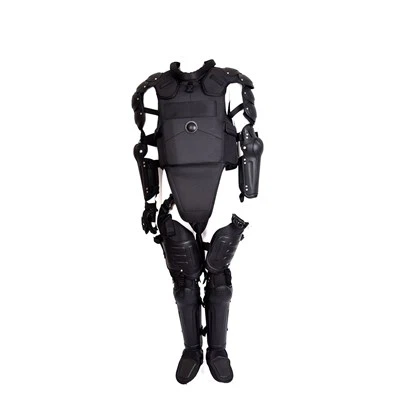
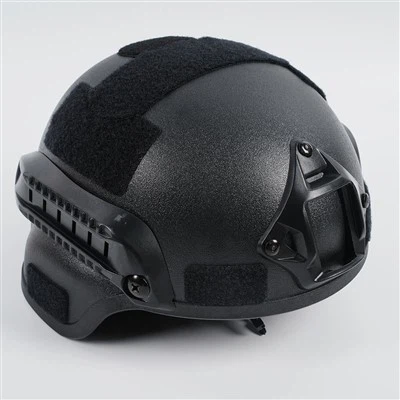
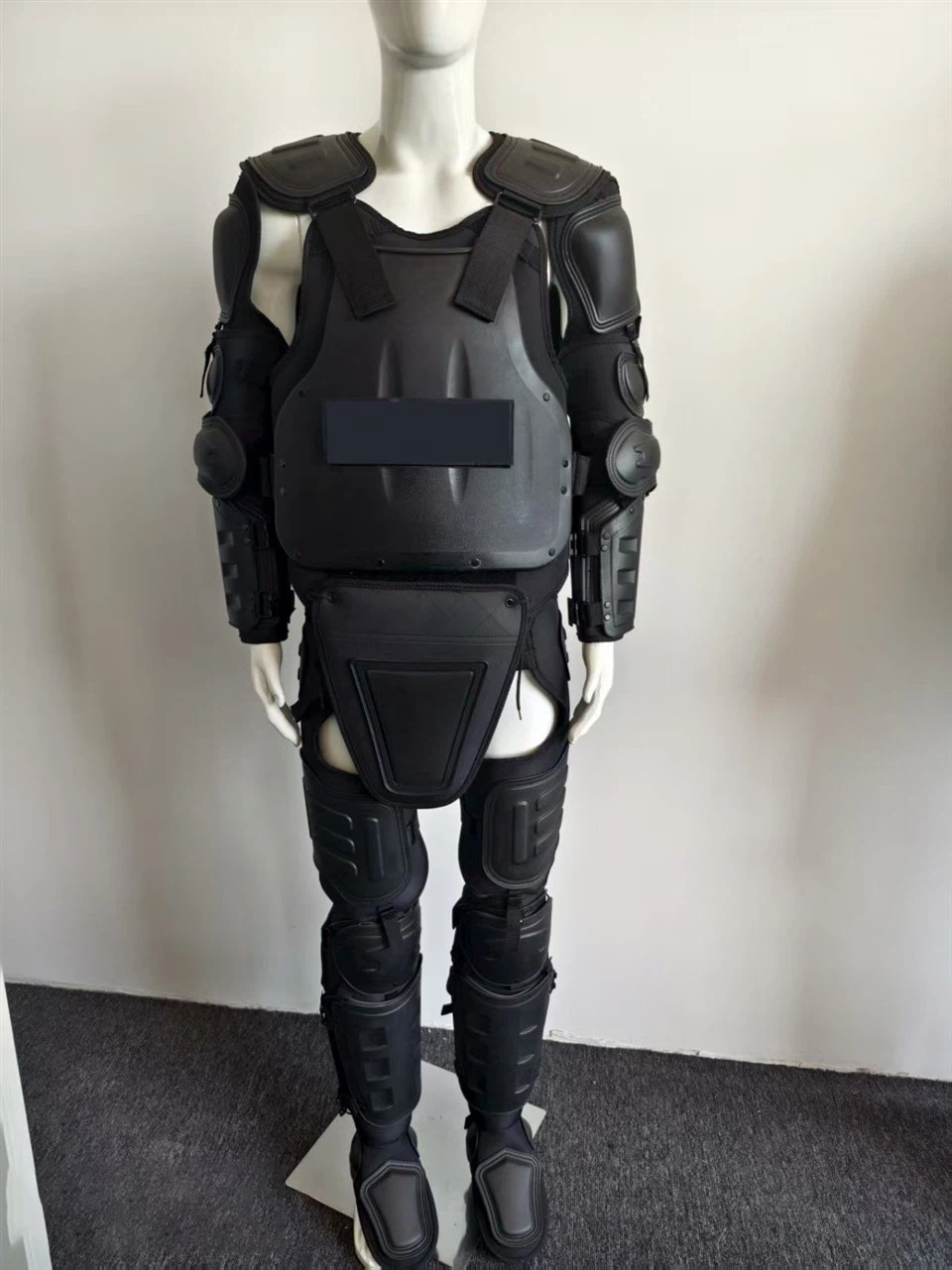
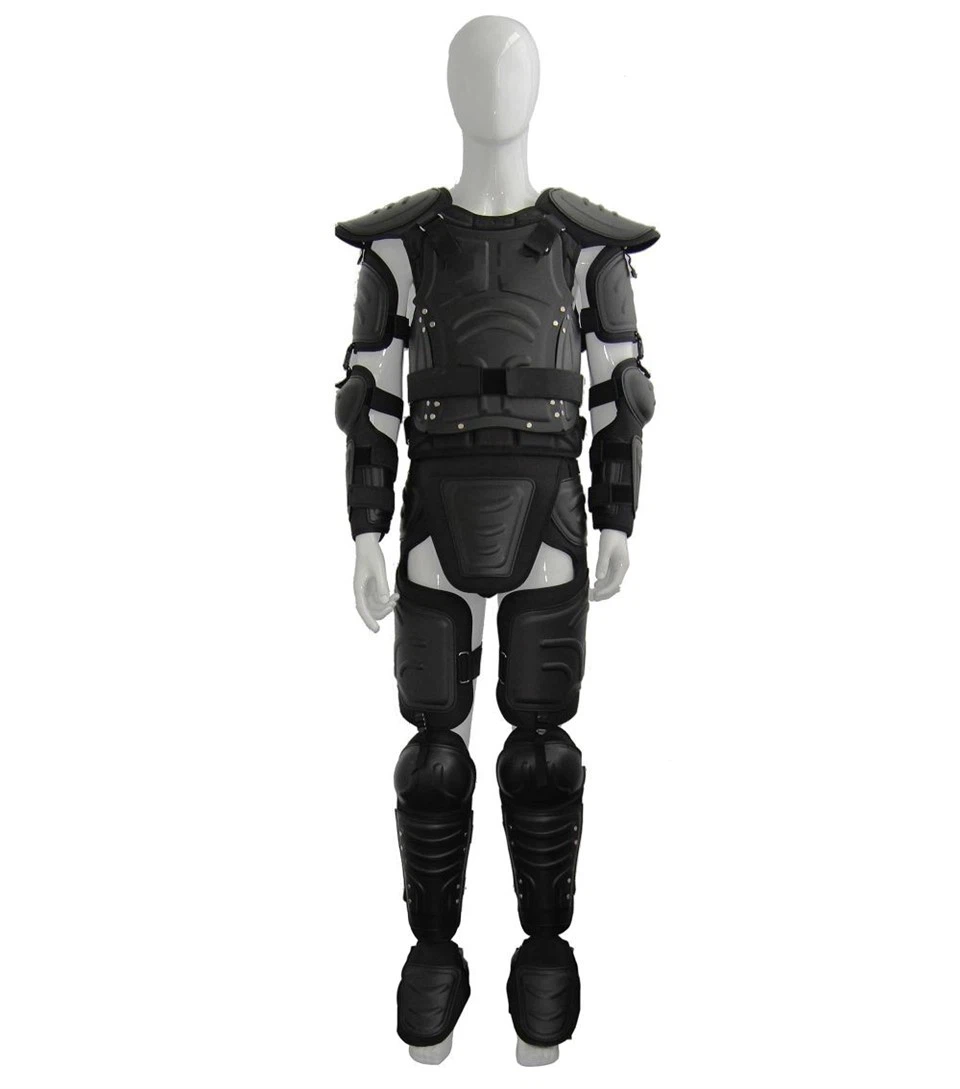
Our Anti Riot Gear is designed to offer protection in riot situations. It typically includes items such as Riot Jackets, Anti Riot Uniforms, Riot Suits, and Police Riot Equipment. These products are generally made from robust, durable materials, chosen for their ability to withstand impacts, abrasions, and other forms of physical assault. For example, riot jackets are often constructed from multi - layer fabrics that can resist stabbing and blunt force.
Challenges of Using Anti - Riot Gear in High - Altitude Areas
1. Mobility and Breathing
The lower oxygen levels in high - altitude areas make physical exertion much more difficult. Wearing anti - riot gear, which is usually heavy and restrictive to some extent, can further exacerbate the problem. The added weight and bulk of the gear can strain the wearer's muscles and joints, making it harder to move quickly and efficiently. Moreover, the gear may limit chest expansion, thus reducing the volume of air that can be inhaled with each breath. This is a significant concern as it can lead to rapid fatigue and even altitude sickness in severe cases.
2. Temperature Regulation
High - altitude areas experience large temperature swings. During the day, the intense solar radiation can cause the temperature to rise significantly, while at night, it can drop to freezing or below. Anti - riot gear, designed primarily for protection rather than temperature regulation, may not be well - suited to these extreme variations. In the heat, the gear can trap body heat, leading to overheating and dehydration. Conversely, in cold conditions, the standard materials may not provide sufficient insulation, leaving the wearer vulnerable to hypothermia.
3. Material Durability
The low atmospheric pressure and extreme temperature changes can also affect the durability of the anti - riot gear materials. Some polymers and synthetic fabrics used in the gear may become more brittle at low temperatures or expand and contract more rapidly due to the temperature fluctuations. This can lead to cracks, tears, or a reduction in the overall strength of the materials over time, decreasing the effectiveness of the protective gear.
Potential Solutions and Adaptations
1. Lightweight and Breathable Materials
To address the mobility and breathing issues, we can explore the use of lightweight and breathable materials without compromising on protection. Advanced composite materials that offer high strength - to - weight ratios can be used in the production of riot jackets and suits. These materials can reduce the overall weight of the gear while still providing adequate protection against impacts and stab wounds. Additionally, incorporating breathable mesh panels in the design of the Anti Riot Uniform can improve air circulation and reduce the risk of overheating.
2. Temperature - Adaptive Gear
For temperature regulation, we can develop anti - riot gear that is more adaptive to high - altitude conditions. This could involve using phase - change materials (PCMs) in the lining of the jackets and suits. PCMs can absorb and release heat as the temperature changes, helping to maintain a more stable body temperature. We can also add removable insulation layers, allowing the wearer to adjust the gear according to the ambient temperature.
3. Material Testing and Modification
Regular testing of the gear materials in high - altitude simulators can help us understand how they perform under extreme conditions. Based on the test results, we can modify the materials or their manufacturing processes to enhance their durability. For example, treating the fabrics with special coatings can improve their resistance to cracking and abrasion caused by low temperatures and pressure changes.
Case Studies and Real - World Applications
Although there are limited studies specifically focused on anti - riot gear use in high - altitude areas, we can draw parallels from other industries. Mountain rescue teams, for example, operate in similar high - altitude environments. They use specialized gear that is lightweight, breathable, and temperature - resistant. By adapting the principles and technologies used in mountain rescue equipment, we can start to develop more suitable anti - riot gear for high - altitude scenarios.
Conclusion
In conclusion, while using Anti Riot Gear in high - altitude areas presents significant challenges, it is not an impossible task. With careful consideration of the unique environmental factors and appropriate adaptations in design and materials, we can create gear that effectively balances protection and functionality in these extreme conditions.
If you are interested in discussing how our anti - riot gear can be tailored to meet your specific needs, especially for high - altitude applications, please reach out to us. We look forward to having in - depth discussions and assisting you in procuring the most suitable products for your use.
References
- Hultgren, H. N., et al. "The human body at high altitudes." Physiology of exercise in the heat, cold and at altitude. Springer, Boston, MA, 1974.
- West, John B. "Altitude illness." The New England journal of medicine 345.2: 107 - 114. 2001.
- Kayser, Bengt. "Exercise at altitude: Cardiopulmonary responses." Exercise, ventilation, and the environment. Human Kinetics, 2004. 173 - 196.