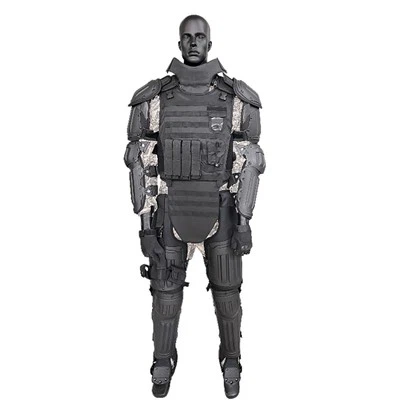
Many folks in law enforcement and security often wonder: Can a police riot suit withstand fire? I'm a supplier of these suits, and I've seen firsthand the questions and concerns that come up around this topic. So, let's dive in and break it down.
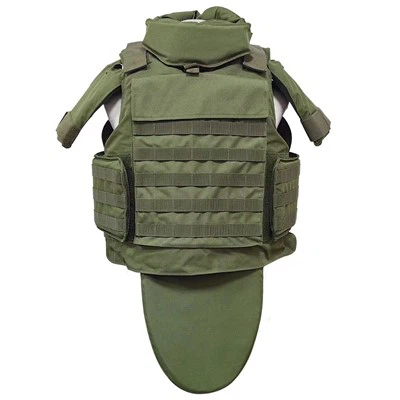
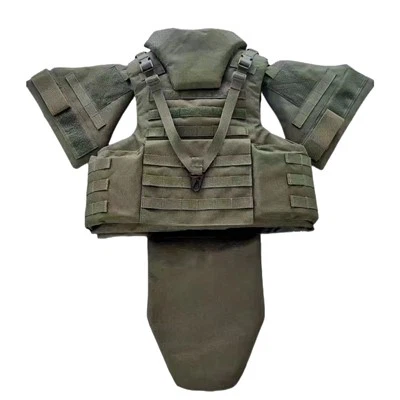
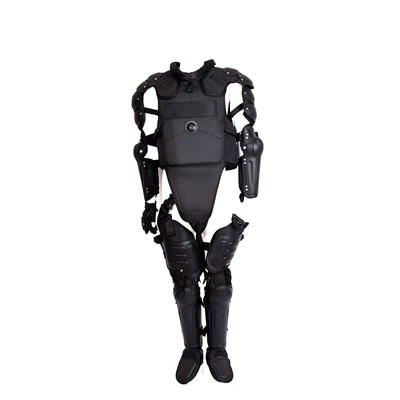
First off, what exactly is a police riot suit? Well, it's a specialized piece of gear designed to protect law enforcement officers during riot control situations. You can check out our Riot Control Suit on our website to get a better idea of what it looks like and what it's made of. These suits are usually made up of multiple layers of different materials, each serving a specific purpose.
The outer layer of a typical riot suit is often made of a tough, durable fabric. It's designed to resist cuts, abrasions, and impacts from things like rocks, bottles, or other projectiles that might be thrown during a riot. But when it comes to fire resistance, that's a different ballgame.
Not all riot suits are created equal when it comes to fire protection. Some basic Riot Suit models might not have any significant fire-resistant properties. They're mainly focused on physical protection. However, there are high - end models that are specifically engineered to offer some level of fire resistance.
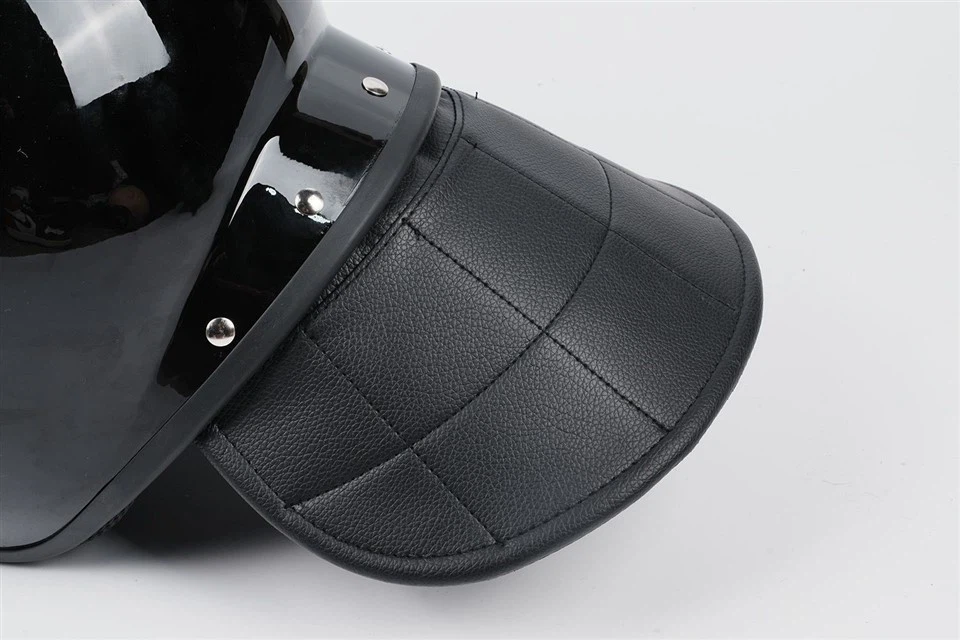
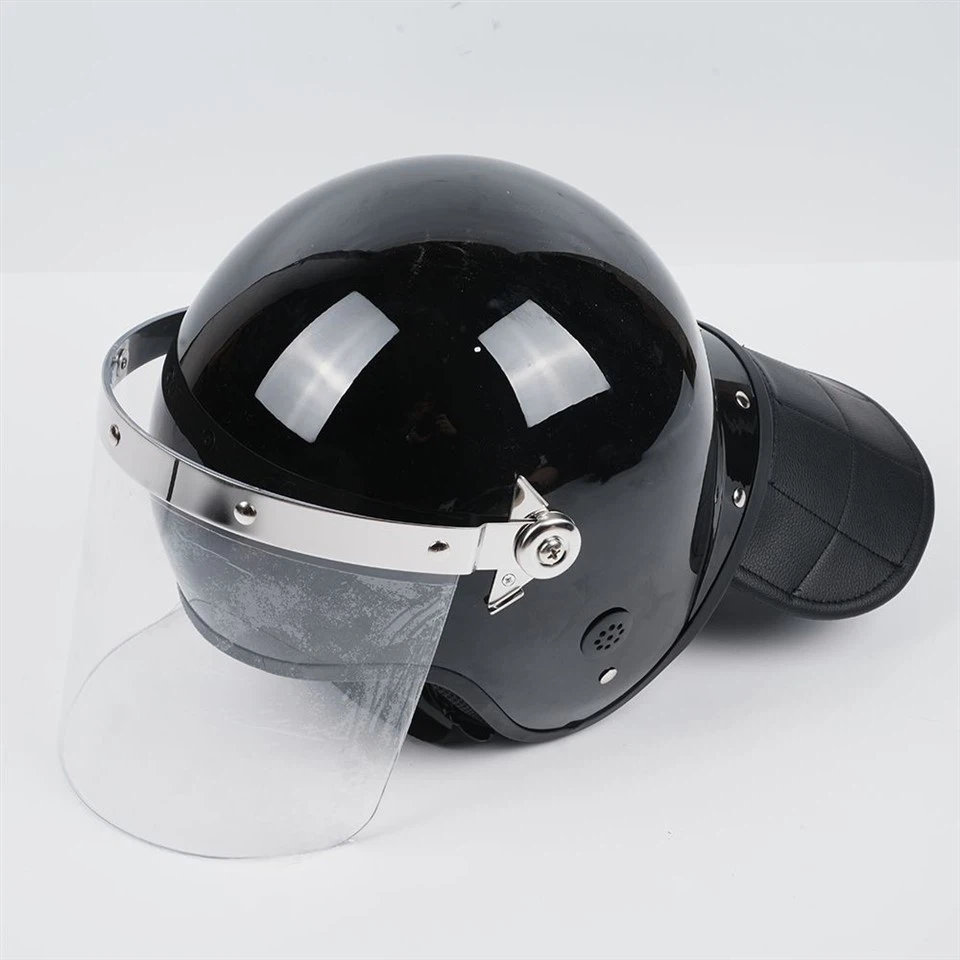
Materials play a crucial role here. Fire - resistant riot suits often use materials like Kevlar or Nomex. Kevlar is well - known for its strength and is commonly used in bulletproof vests. It can withstand high temperatures to some extent and is resistant to burning. Nomex is another great material. It's an aromatic polyamide that is inherently flame - resistant. When exposed to flame, it forms a char layer that insulates the body and stops the spread of fire.
But there are limits even to these materials. A police riot suit, even one made with fire - resistant materials, can't withstand direct, prolonged exposure to intense flames. For example, if an officer were to be caught in the middle of a large, uncontrolled fire, like a building on fire or a massive bonfire, the suit would eventually fail. The heat would be too much, and the materials would start to break down.
In a more typical riot situation, though, the risks are different. Sometimes, rioters might use Molotov cocktails or small incendiary devices. A good fire - resistant riot suit can offer a reasonable amount of protection in these cases. The suit can prevent quick ignition and give the officer enough time to get to safety or take appropriate action.
Let's take a look at the design of a Riot Control Uniform. In addition to the materials, the way the suit is designed also affects its fire - resistant capabilities. A well - designed suit will have seams that are properly sealed. Loose or poorly constructed seams can be weak points where fire and heat can penetrate.
Another important factor is the fit of the suit. If the suit is too loose, it can create air gaps. These air gaps can act as insulation to some degree, but they can also allow flames to spread inside the suit. On the other hand, if it's too tight, it restricts movement and can cause the officer to overheat more quickly, increasing the overall risk in a fire - related situation.
Besides the outer layer, the inner layers of the suit also contribute to its overall protection. Some suits have an insulating layer that helps to keep the heat away from the officer's body. This layer can slow down the transfer of heat, giving the officer more time in a fire - exposed environment.
When it comes to testing, reliable riot suit manufacturers conduct rigorous fire - resistance tests. They expose the suits to different intensities of flames and heat sources to measure how well they perform. These tests are crucial for ensuring that the suits meet the required safety standards. However, it's important to note that real - world situations can be much more unpredictable than a controlled test environment.
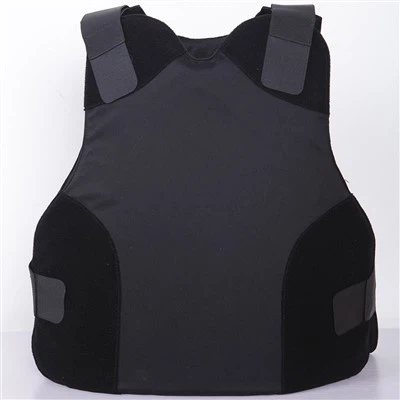
Now, let's talk about Anti Riot Armor. In some cases, anti - riot armor is part of the overall riot gear. Armor plates can be made of materials like steel or composite materials. These plates are mainly for protecting against physical impacts, but they can also offer some limited protection against fire. Steel, for example, has a high melting point, so it can withstand a certain amount of heat before it starts to deform.
But just like the riot suit itself, the armor has its limitations. If the heat is too intense for too long, the armor can become extremely hot and transfer that heat to the officer's body, causing burns even if the armor itself doesn't melt.
As a supplier of Police Anti Riot Equipment, I understand the importance of providing accurate information to our customers. When law enforcement agencies are looking to purchase riot suits, they need to consider the fire - resistance factor based on the specific situations they might face.
If the area has a history of riots where incendiary devices are commonly used, then investing in a high - quality fire - resistant riot suit is a must. On the other hand, if the risks of fire are relatively low, a more basic suit might be sufficient.
In conclusion, while a police riot suit can offer some level of fire protection, especially if it's made with fire - resistant materials and well - designed, it's not a magic shield against fire. It has its limits, and officers should always be aware of these limitations.
If you're in charge of purchasing riot gear for your law enforcement agency or security team, and you have questions about the fire - resistant capabilities of our suits or other anti - riot equipment, don't hesitate to reach out. We're here to help you make the right choice for your specific needs.
References
- Fire - resistant materials research in protective gear
- Industry standards for riot suit fire - resistance testing
- Real - world case studies of riot situations involving fire